Service Upgrade
200 Amp Service Upgrade
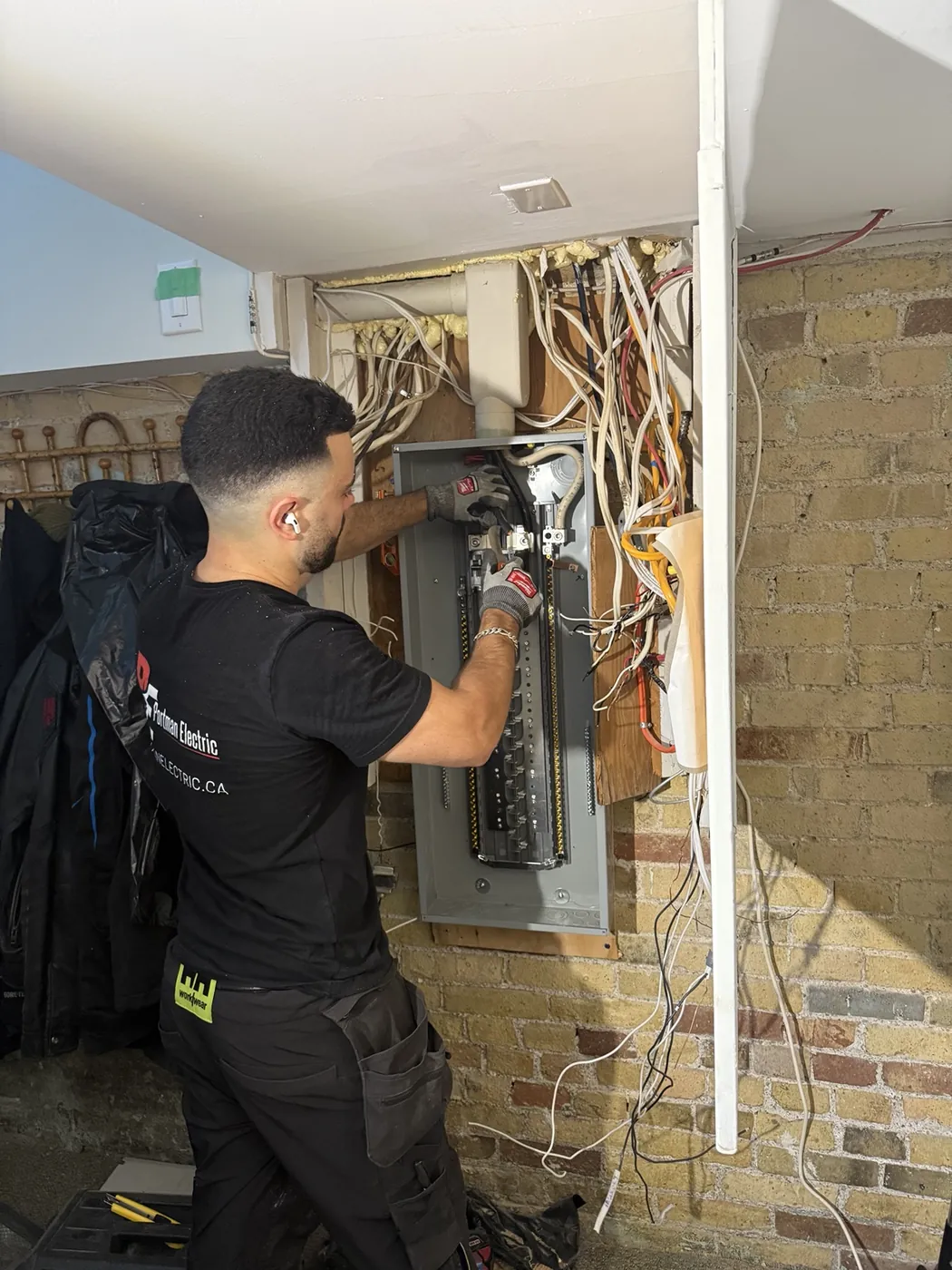
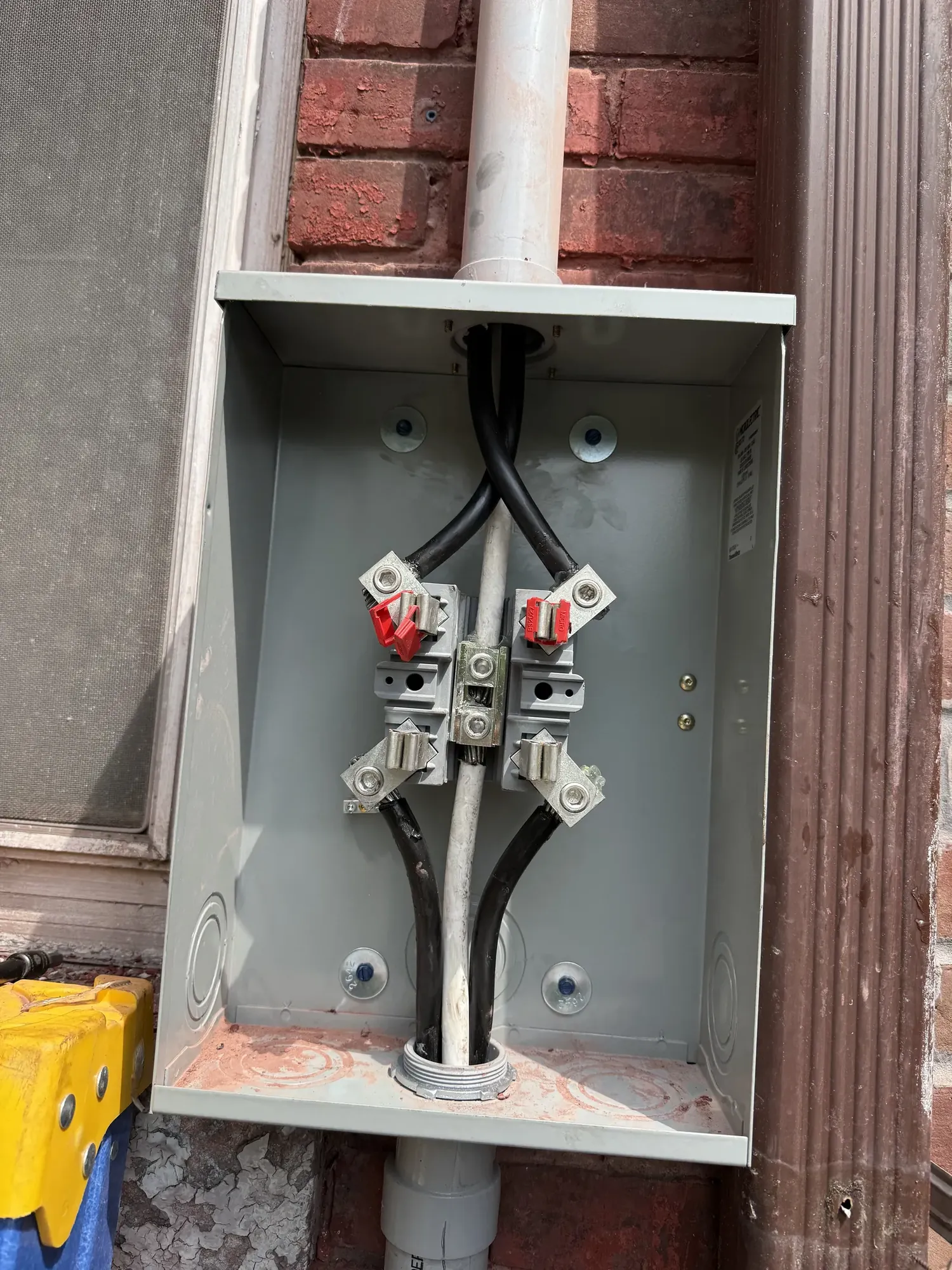
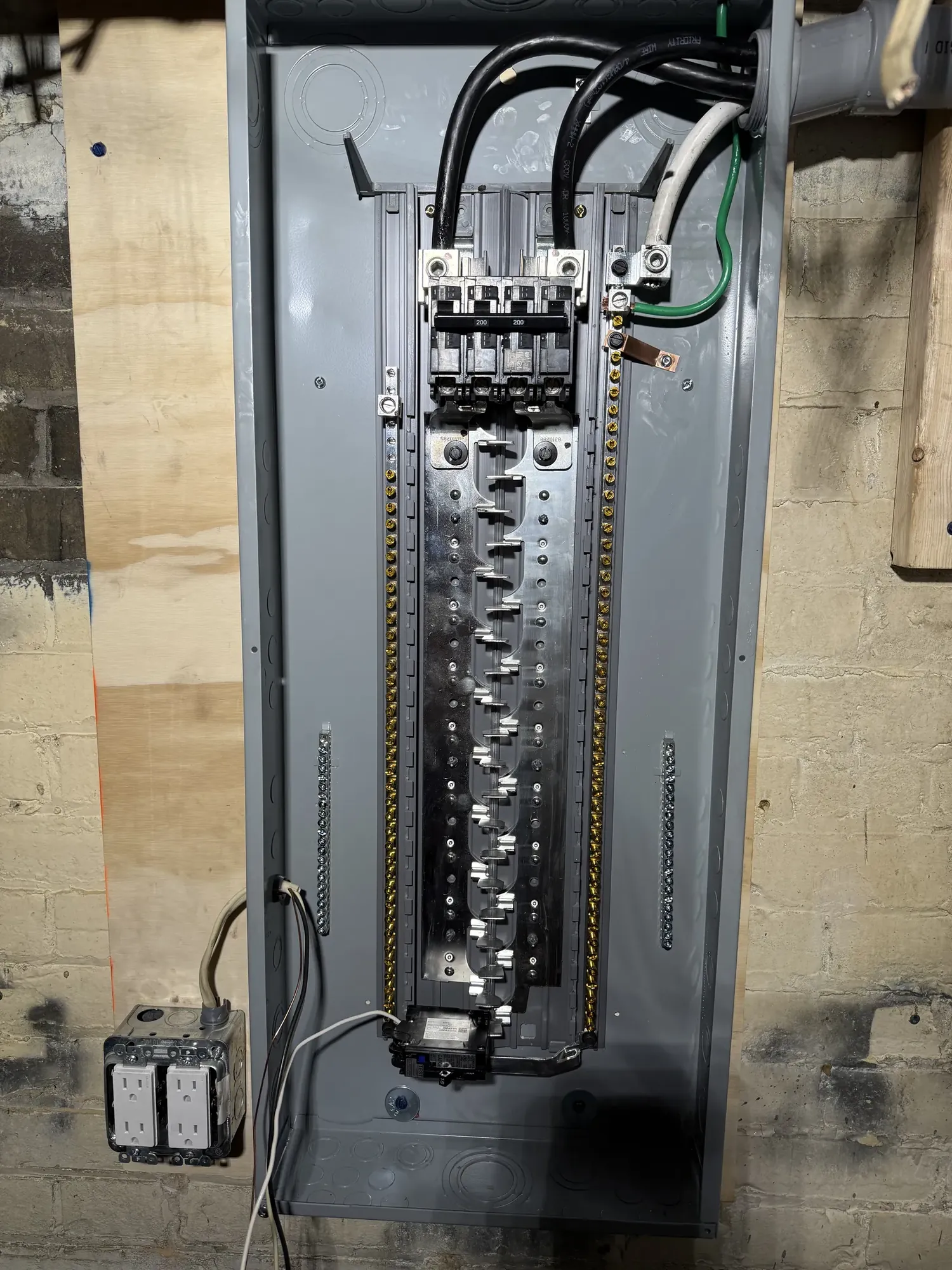
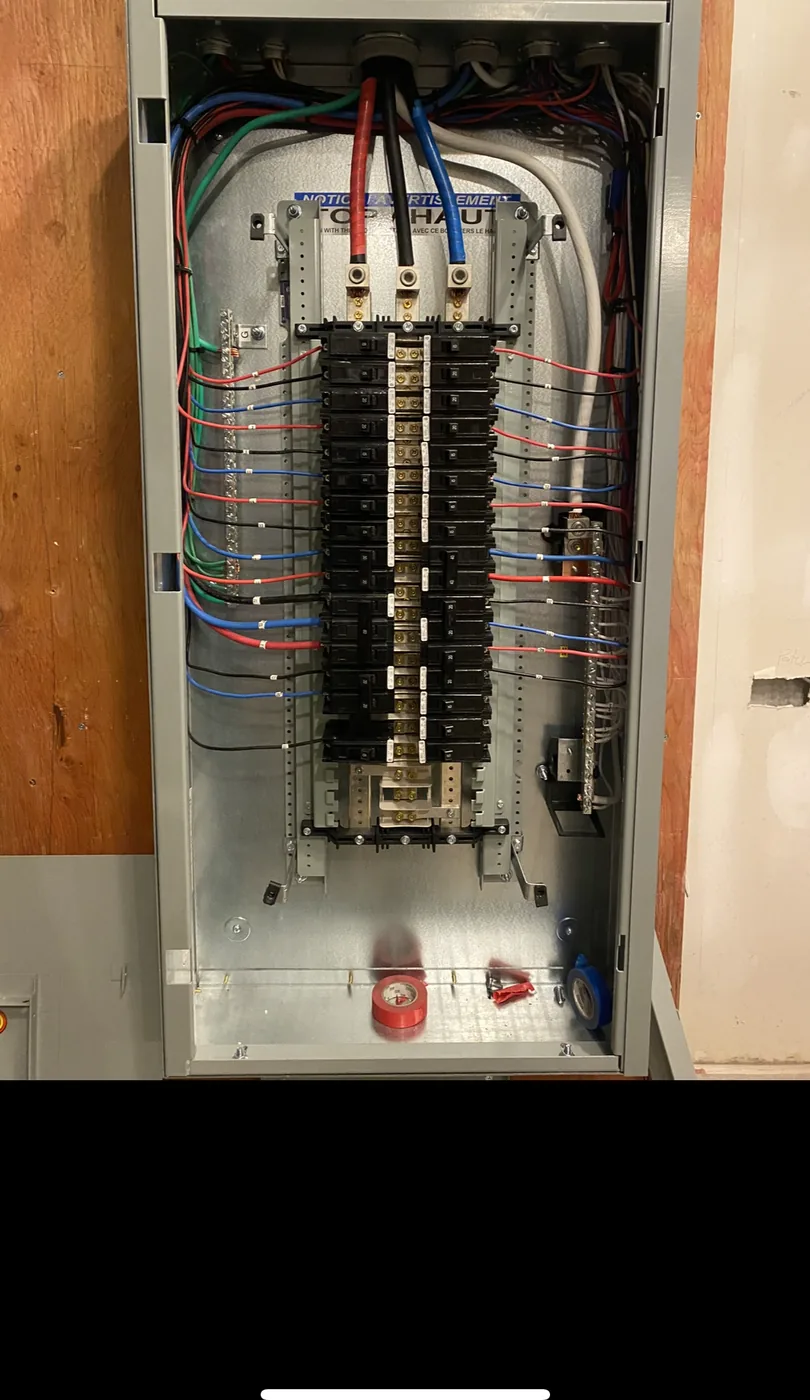
Complete 200-amp service upgrade — new panel installed with organized breakers and a labelled panel directory, brought up to current code and passed ESA inspection.
100 Amp to 200 Amp Panel & Electrical Service Upgrades
Portman Electric provides licensed electrical panel replacements and complete 100-amp to 200-amp service upgrades throughout Toronto and the GTA. We coordinate the electrical work, required ESA notification and inspection, and Toronto Hydro disconnection and reconnection when applicable.
In the east end? See our electrician page for The Beaches, Toronto.
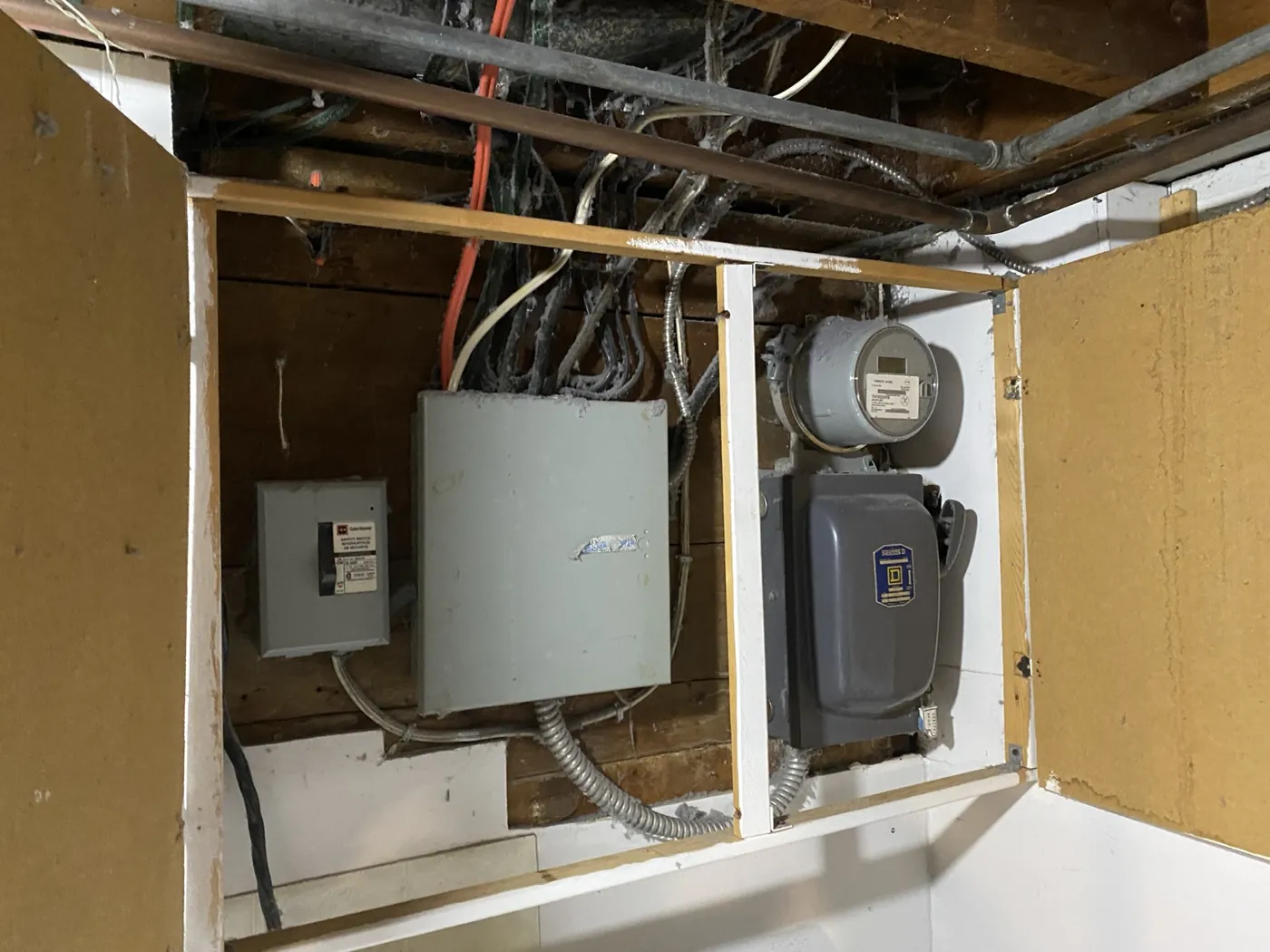
Text three photos and we can usually quote remotely: your panel with the door open, your meter, and the outside service entrance or mast.
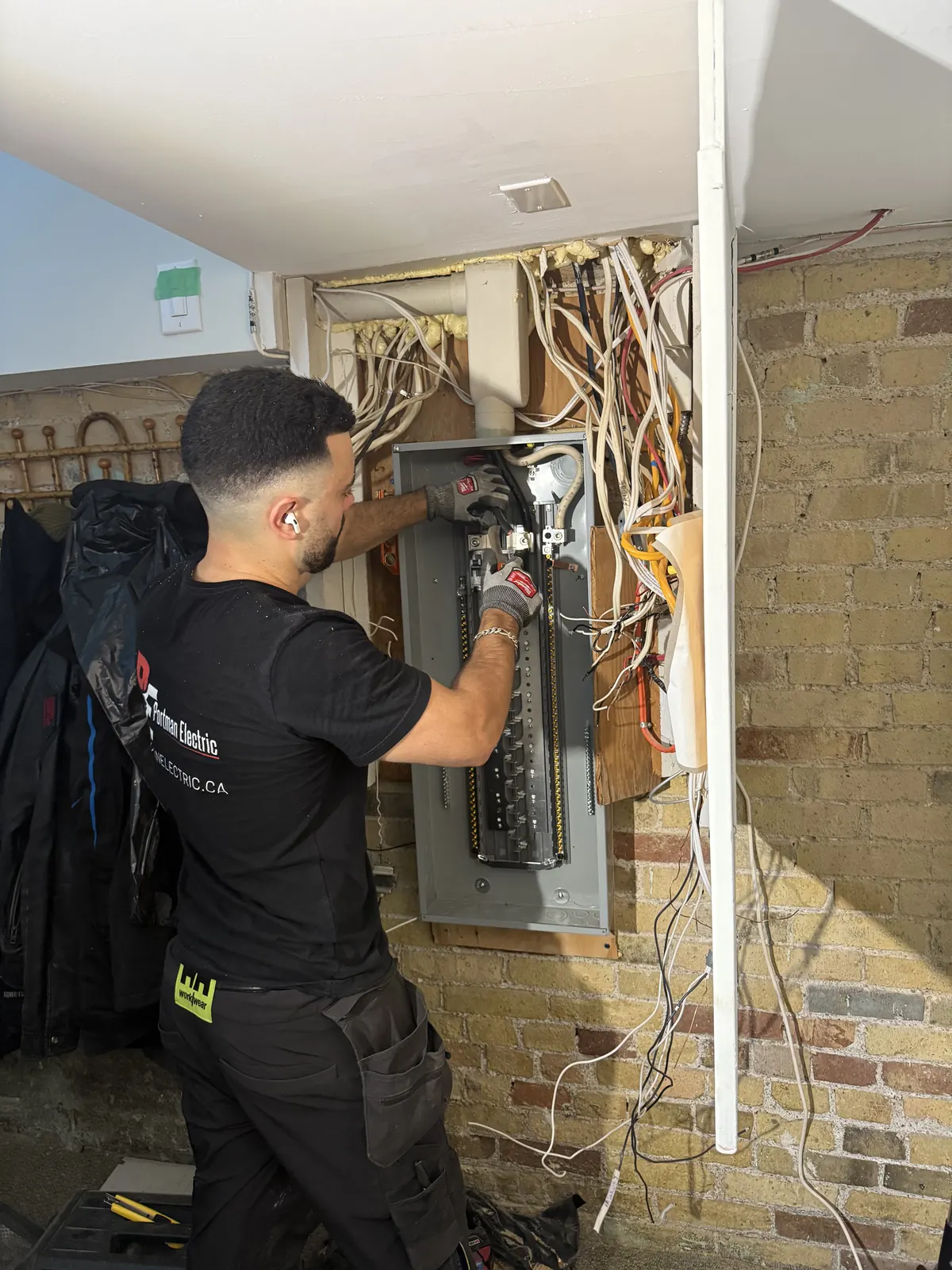
Most 100-amp to 200-amp service upgrades in Toronto fall between $3,000 and $5,500.
Where a project lands in that range depends on whether the service is overhead or underground, the condition of the meter base and mast, the panel location, how the service conductors are routed, Toronto Hydro requirements and the electrical conditions found on site.
That range covers the electrical work, the ESA permit and the inspection, before HST. Toronto Hydro's disconnect and reconnect fee is billed to you separately by the utility.
Send photos of your panel, your meter and the outside service entrance and we can usually put an accurate written estimate together remotely.
A 200-amp service upgrade increases the electrical capacity available to a home. It is often recommended when adding major electrical loads such as an EV charger, heat pump, hot tub, electric range, basement apartment or large renovation.
A complete service upgrade may involve more than replacing the breaker panel. Depending on the property, the work can include new service conductors, meter equipment, grounding and bonding, the electrical panel, service mast or conduit, Toronto Hydro coordination and ESA inspection.
Portman Electric assesses the existing installation and explains whether the home needs a panel replacement, a load-management solution or a complete service upgrade — before any work is booked.
These two projects are often confused. Not every panel replacement requires a 200-amp upgrade — and not every home that needs more capacity needs a new panel alone.
Same capacity, modern equipment
More capacity for the whole home
The exact scope depends on the existing installation and utility requirements — not every item applies to every property. A typical complete upgrade can include:
Your written estimate lists exactly what applies to your home — nothing is assumed or hidden.

Most Level 2 chargers need a dedicated 40–60 amp circuit, which many older 100-amp panels cannot spare.
High-efficiency electric heating adds a significant continuous load to the service.
Hot tubs typically require a dedicated 50–60 amp circuit plus space in the panel.
Switching a furnace, water heater, range or dryer from gas to electric increases total demand.
A second kitchen, laundry and bathroom all need dedicated circuits — and often a subpanel.
New square footage means new circuits, and older panels often have no room left.
Frequent breaker trips under normal use, or no free slots for new circuits.
Many homeowners upgrade once so the home is ready for EVs, heat pumps and electrification.
Not every home needs the full upgrade right away. Some homes can support new loads through load management without immediately upgrading the entire service — see our EV charger installation and load-management options for how that works.
We review the existing panel, meter, service entrance, grounding, available capacity and planned electrical loads.
You receive a clear explanation of the recommended work, project scope and costs.
When required, Portman Electric coordinates the ESA notification, inspection requirements and Toronto Hydro disconnection and reconnection.
The new service equipment, panel, meter components and related wiring are installed based on the approved scope.
The work is inspected and the electrical service is restored through the appropriate utility process.
Circuits are tested, the panel directory is updated and the completed installation is reviewed with you.
Many standard upgrades are planned for same-day disconnection and reconnection when properly scheduled. Exact timing depends on the property, the utility and the inspection process.
A full service upgrade is more than an electrical job — it involves the utility and the provincial safety authority. Depending on the project, it may require:
When an ESA notification or utility coordination is required, Portman Electric handles the applicable electrical contracting process based on the project scope. You are not left chasing inspectors or utility scheduling on your own.
Curious what an inspection involves? Read our guide to ESA inspections in Ontario.
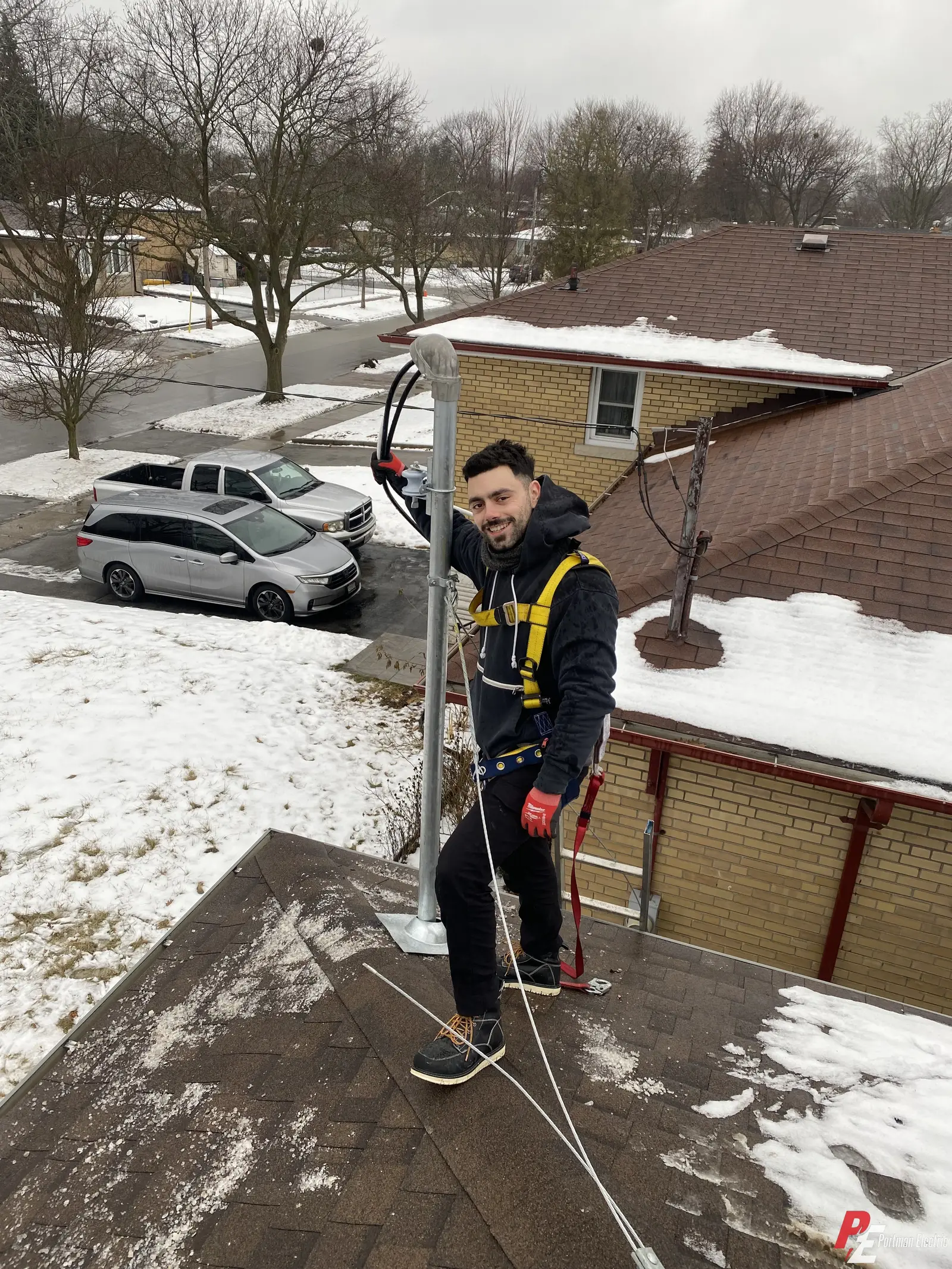
A 100-amp service was the standard for decades and still serves many Toronto homes well. It becomes limiting once a home adds electric vehicle charging, electric heating or a secondary suite — the loads that define how homes are being electrified today.
A 200-amp service roughly doubles the available capacity, provides room for dedicated circuits and future additions, and is the common standard for new and renovated homes.
The right answer comes from a load calculation, not a guess. For a deeper comparison, read 100 amp vs 200 amp service — which do you need?
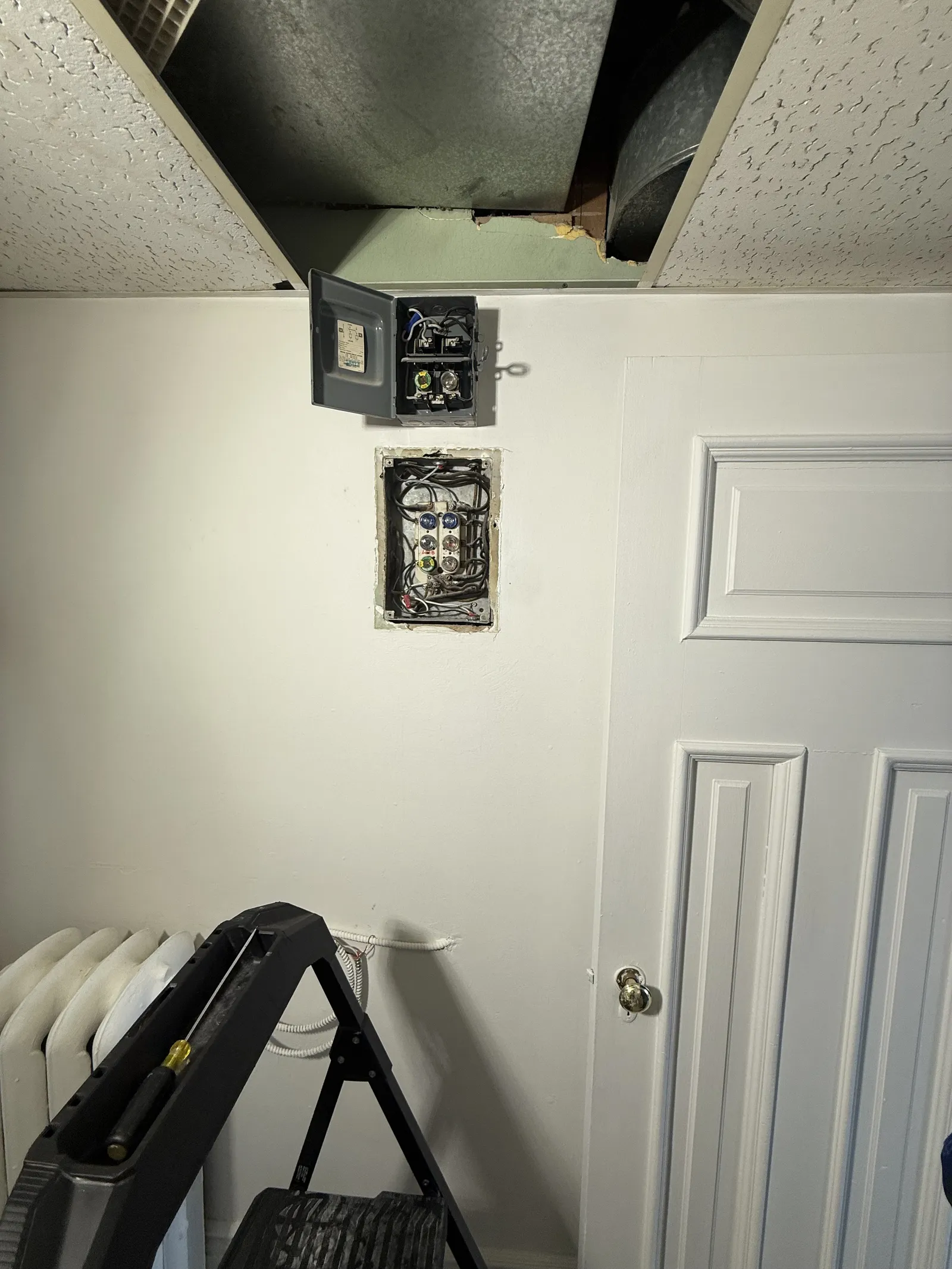
Many Toronto homes — particularly those built before the 1960s — still have original fuse panels. Fuses can be replaced with the wrong amperage, the panels rarely have room for modern circuits, and most insurance companies now ask for a breaker panel before they will insure or renew the home.
We also replace outdated or problem-brand breaker panels, including Federal Pioneer, Federal Pacific and Stab-Lok equipment, and correct issues found along the way — double-tapped breakers, missing labels and deteriorated connections.
A replacement can be done at the existing service size, or combined with a 200-amp upgrade if the home needs more capacity. For background, see fuse box vs breaker panel in Toronto homes.
No two service upgrades are identical, so an accurate price comes from an assessment of your specific property. The main factors that affect the cost are:
Complete 200-amp service upgrade — new panel installed with organized breakers and a labelled panel directory, brought up to current code and passed ESA inspection.
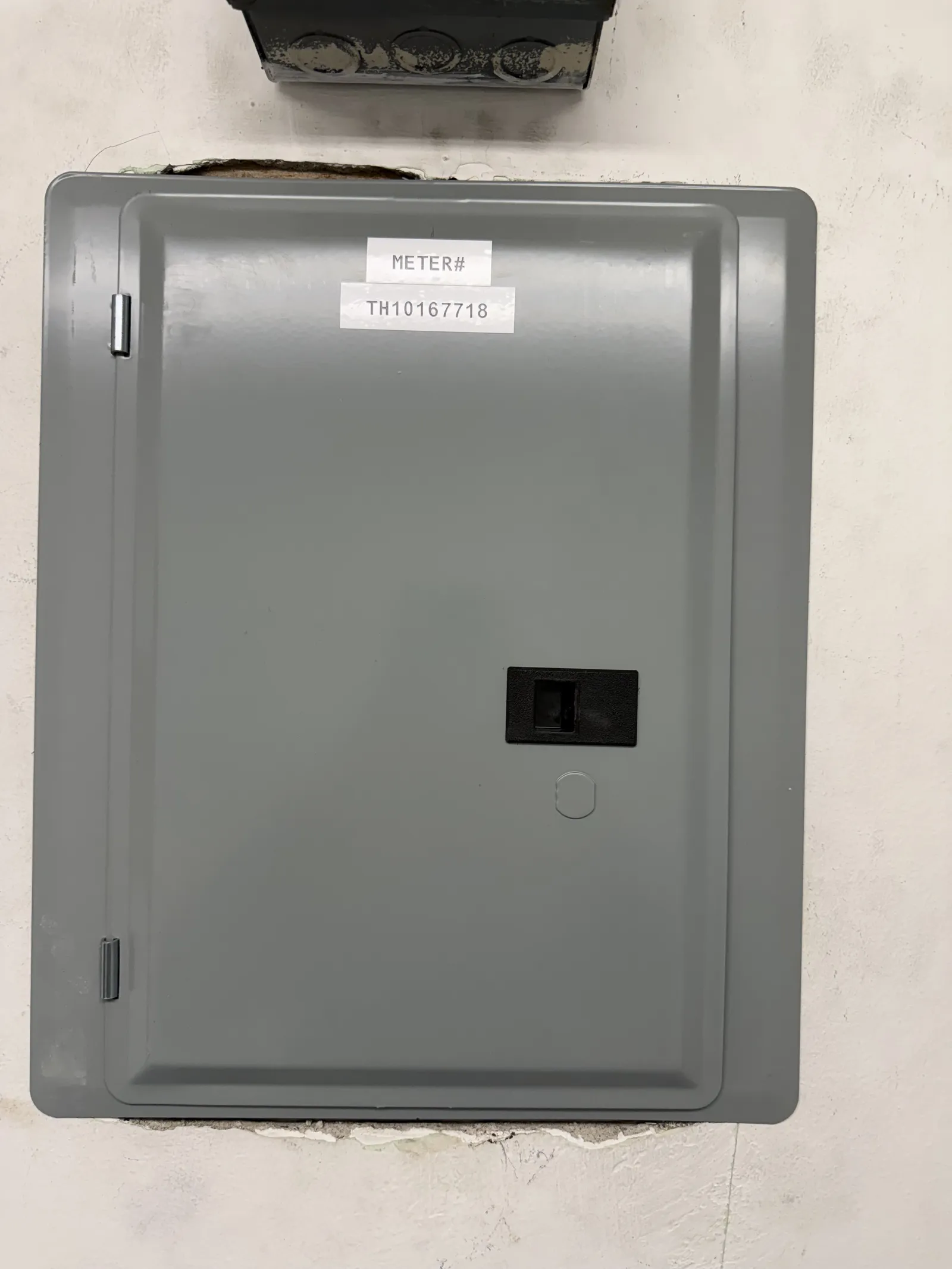
Original 1950s fuse panel replaced with a modern breaker panel — circuits reconnected, labelled and inspected, resolving the homeowner's insurance requirement.
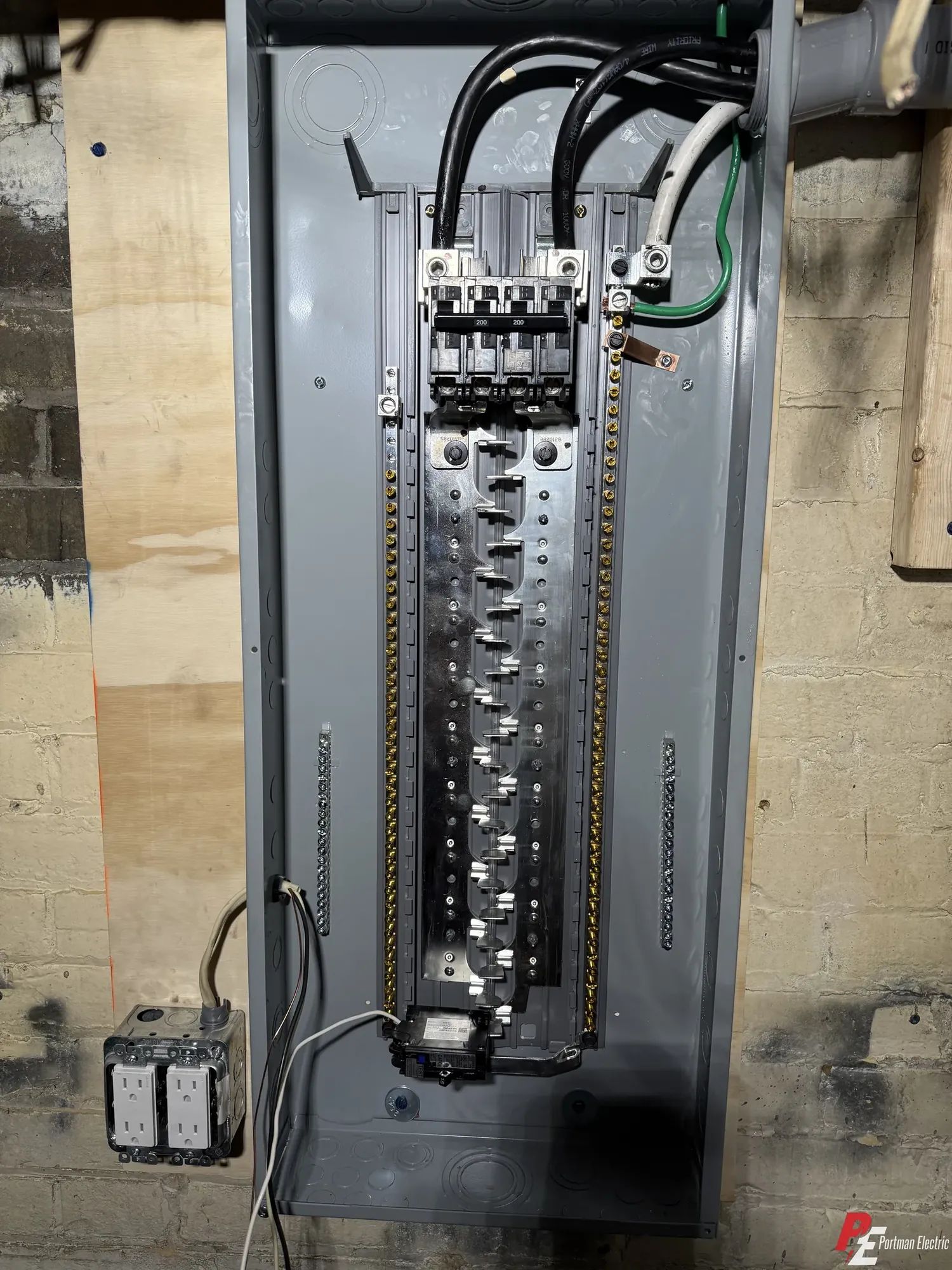
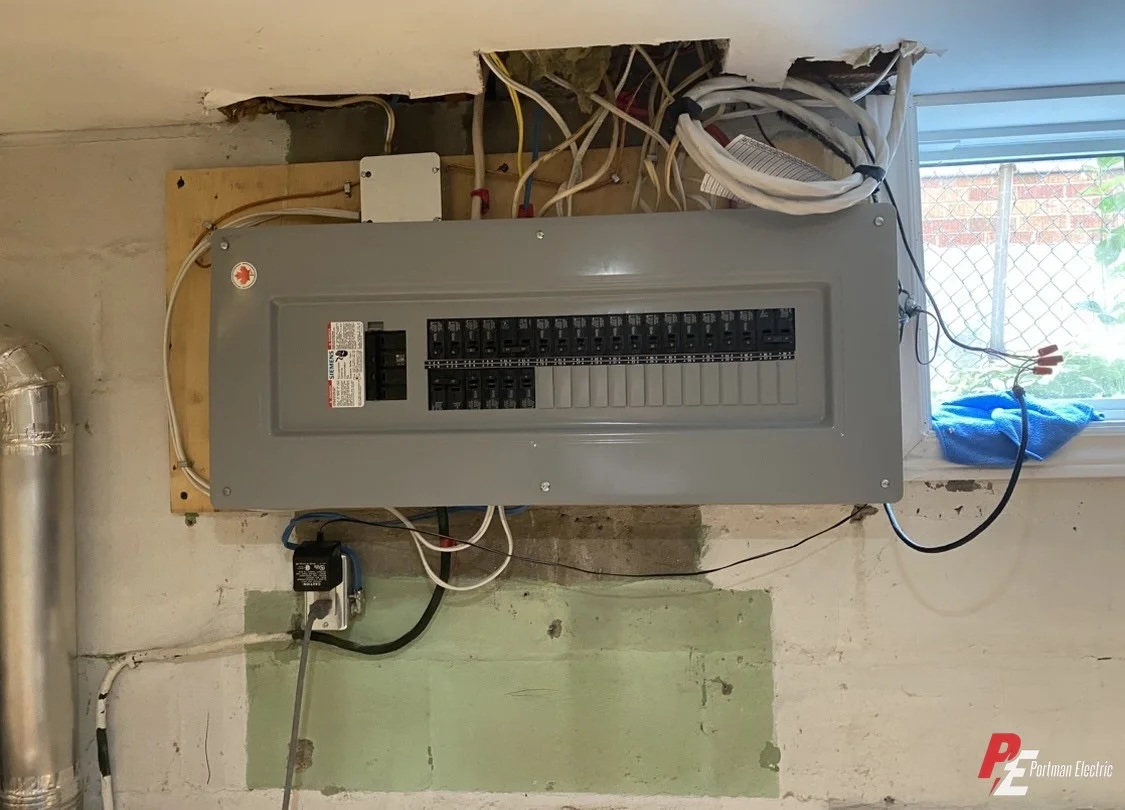
New 200-amp panel installed and wired — 200-amp main breaker, grounding connections and neatly dressed conductors inside, with circuits reconnected and the finished panel mounted and labelled.
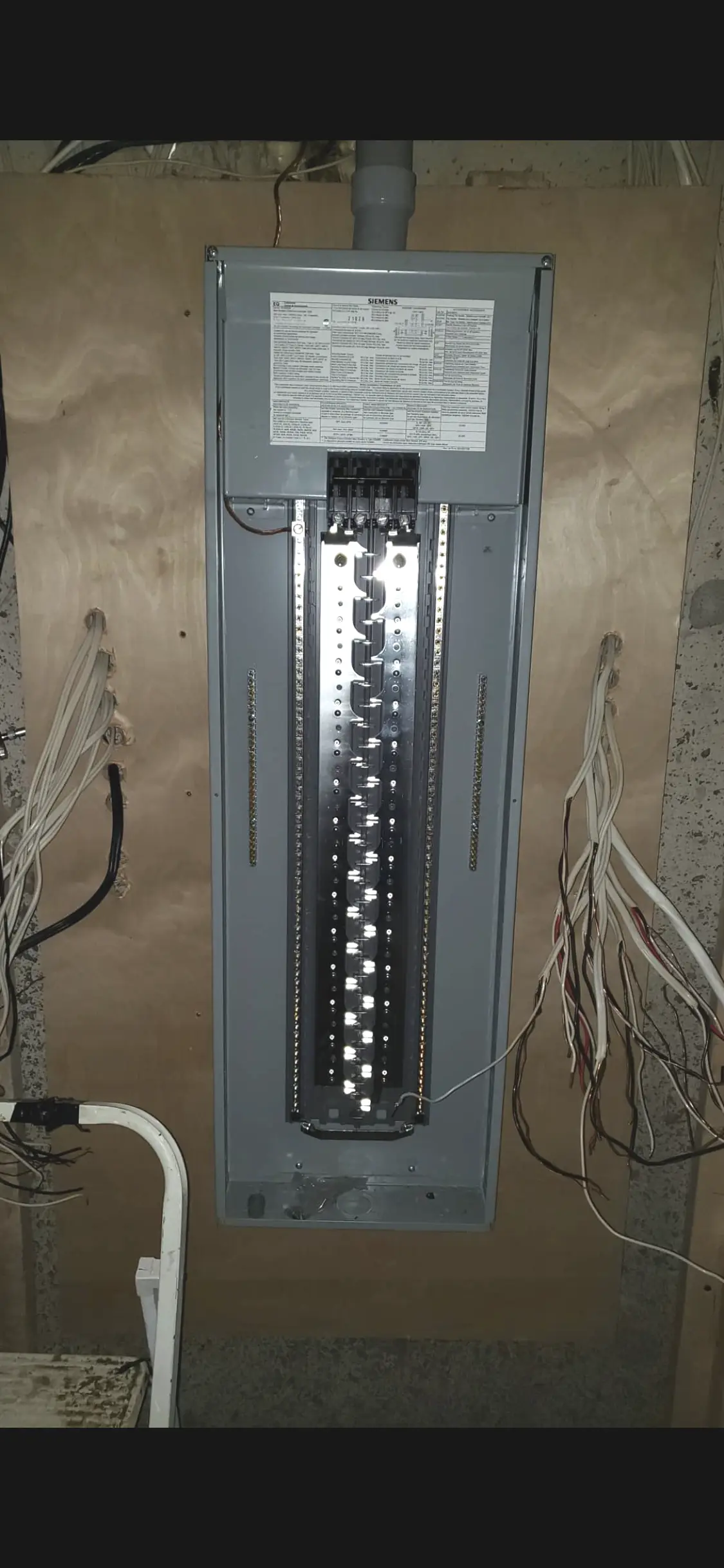
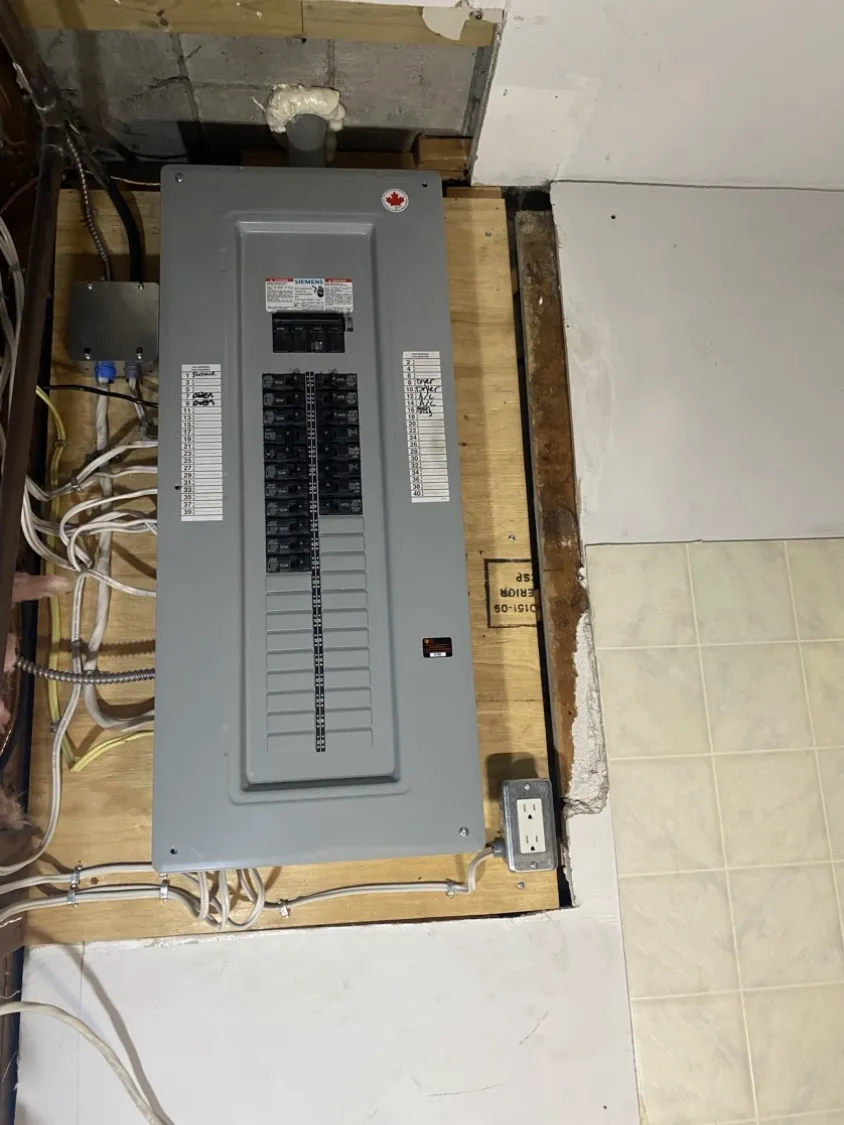
Siemens panel work from rough-in to finish — a new cabinet mounted and prepped for breakers during installation, and a completed panel replacement with a full breaker lineup and labelled circuit directory.
The main breaker at the top of your panel is usually labelled with the service size — 100 or 200. Older fuse panels and 60-amp services may not be labelled clearly. If you are unsure, send us a photo of your panel and main breaker and we can usually confirm the size quickly.
Not by itself, and this is the most common misunderstanding about panel work. A panel replacement swaps the old distribution panel for a modern breaker panel at the same service capacity — a 200-amp panel fed by a 100-amp service is still a 100-amp home. Raising the capacity from 100 amps to 200 amps is a service upgrade, and depending on the existing installation it can involve the service entrance conductors, the meter base and meter equipment, the mast or service equipment, the main disconnect where applicable, grounding and bonding, utility coordination, and an ESA notification and inspection. Not every upgrade needs every one of those — the existing installation decides the scope.
Sometimes. It depends on the home's existing loads. A load calculation determines the spare capacity, and in many cases a load-management device lets a Level 2 charger work safely on a 100-amp service without a full upgrade.
Not always. Many homes can support a heat pump on 100-amp service depending on the other loads. A load calculation gives the real answer. If you are adding a heat pump plus an EV charger or other major loads, 200 amps is often the practical choice.
Many standard upgrades are planned so the main work is completed in one working day. Total project timing depends on the property, Toronto Hydro scheduling and the ESA inspection process.
Power is typically off for most of the working day while the service equipment and panel are replaced. We plan the work so the service is restored as quickly as the utility and inspection process allows.
For a full service upgrade, yes — the utility disconnects the service so the meter equipment and service conductors can be replaced safely, and reconnects it afterward. Portman Electric coordinates this scheduling.
Panel replacements and service upgrades are the type of electrical work that requires an ESA notification and inspection. When an ESA notification or utility coordination is required, Portman Electric handles the applicable electrical contracting process based on the project scope.
Often, yes. Relocations add scope — new conductor routing, possible utility requirements and restoration work — so they are assessed and priced as part of the written estimate.
A fuse-box replacement swaps an old fuse panel for a modern breaker panel, usually at the same capacity. A service upgrade increases the amount of power available to the home and can involve the meter, service conductors and utility coordination in addition to the panel.
Yes. Problem-brand panels can be replaced with a modern breaker panel at the existing service size. Whether it is worth upgrading capacity at the same time depends on your plans — we explain both options in the estimate.
Yes. When the project requires it, we handle the ESA notification, coordinate the inspection and arrange the Toronto Hydro disconnection and reconnection as part of the job.
Most panel replacements and service upgrades do not require opening finished walls. Relocations or rerouted conductors can require some access openings — if that applies to your project, it is identified in the estimate first.
In many cases, yes. Load-management devices monitor the service and pause large loads such as EV charging when the home is near capacity. This can allow an EV charger on an existing 100-amp service. It is a good fit for some homes and not others — the load calculation tells us which.
Often, yes. A 100-amp service is adequate for many Toronto homes, and what decides it is the home's calculated electrical demand rather than its age or square footage. Demand climbs with electric heating, air conditioning or a heat pump, EV charging, an electric range, an electric dryer, electric water heating, heated floors, a hot tub or pool equipment — and with additions and renovations that introduce several of those at once. A load calculation by a licensed electrical contractor establishes what your existing service can actually carry before anyone recommends changing it.
In most cases yes, and it is the step that decides everything else. A load calculation compares the home's actual and planned electrical demand against the capacity of the existing service, which is how you find out whether the right answer is a larger panel, a service upgrade or load management. Installing a bigger panel or a bigger breaker does not by itself make more power available at the service. The calculation should be done by a licensed electrical contractor working from the real loads in the home.
No. Running out of breaker positions is a panel capacity problem, and that is not the same as running out of service capacity. Depending on the existing service size, the load calculation, the panel's configuration and what you are planning to add, the answer may be a sub-panel, a panel with more positions at the same service size, or tandem breakers where the panel is listed to accept them. A service upgrade becomes the right answer when the calculated demand genuinely exceeds what the service can carry.
Possibly, but the decision should come from the numbers rather than the plan. If you expect to add several large loads over the next few years — an EV charger, a heat pump, an electric range, electric water heating, heated floors, a hot tub or an addition — a single service upgrade usually costs less overall than several partial fixes and avoids repeating the disruption. If you are adding one load, a load calculation may well show the existing service handles it, in some cases with load management. We size the service to actual and anticipated demand rather than to a default.
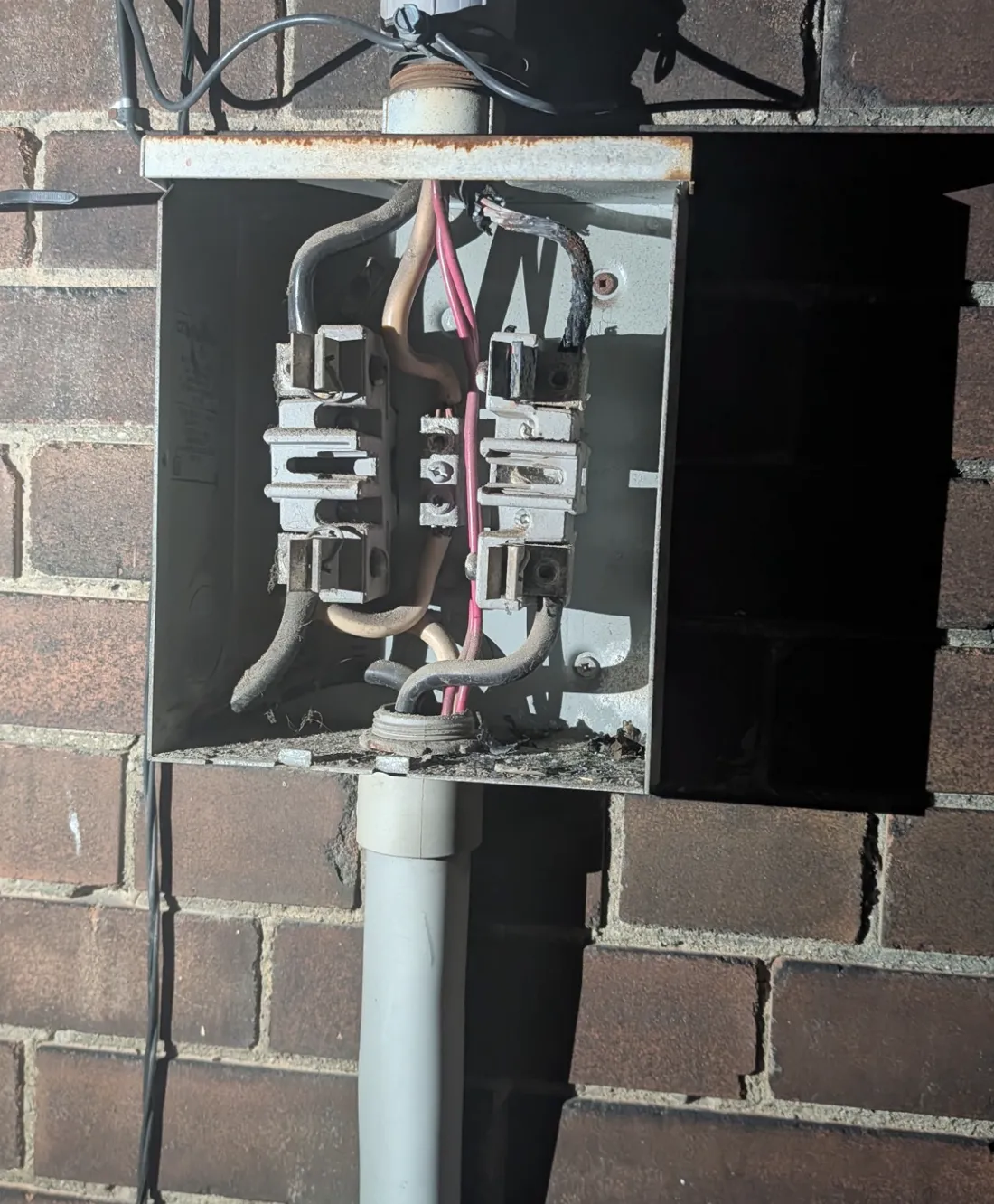
Visible damage or corrosion, scorch marks, a burning smell, heat at the panel, breakers that trip repeatedly or will not reset, a damaged bus, and obsolete equipment that suitable replacement breakers are no longer made for. Running out of capacity is a separate reason — a panel can be in sound condition and simply be full. An insurance requirement or a renovation can also bring the question forward. Age alone is not a verdict: condition and equipment type are what matter, and both should be assessed by a licensed electrician.
Treat it as urgent and keep away from the panel — do not remove the cover. If there is smoke, fire or immediate danger, get everyone out and call 911. If there is no active fire and it is safe to remain in the property, stop using the affected circuits and call a licensed electrical contractor for urgent assessment. Heat, buzzing and burning smells at a panel usually point to a loose connection, a failing breaker or a damaged bus, and none of those resolve on their own.
24/7 emergency electrician in Toronto →Case study: burnt panel replacement in Riverdale →
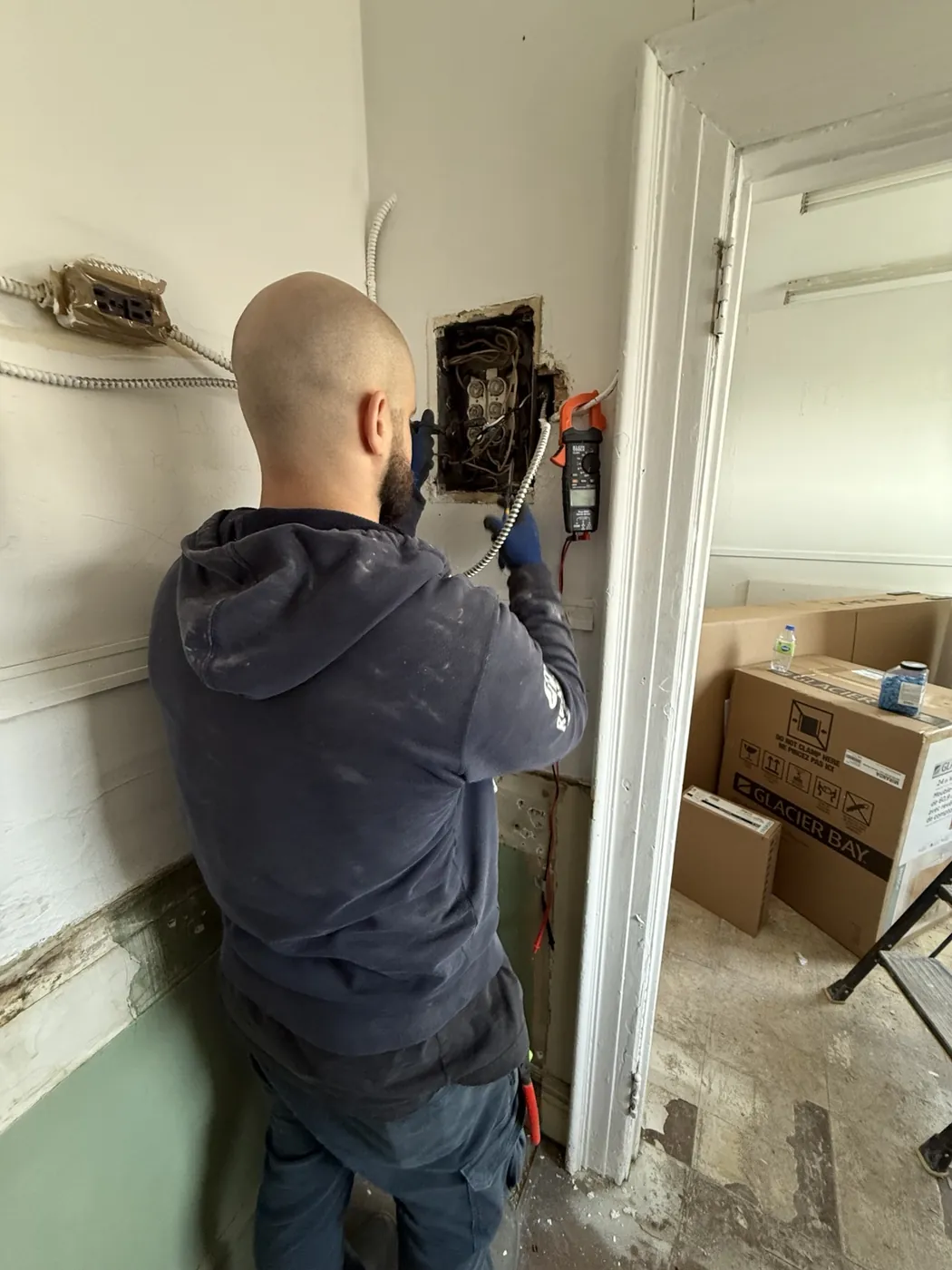
Yes — it is a large part of the work. Older Toronto houses often still have a 60-amp or 100-amp overhead service, a fuse panel, aged meter and mast equipment, and wiring that has been extended several times over the decades. Those conditions shape the upgrade: the mast and meter base may need replacing alongside the panel, grounding and bonding often need bringing up to current requirements, and conductor routing has to work with the building as it actually is. Plenty of older homes are in sound electrical condition — the assessment is what tells you which situation you are in.
Most 100-amp to 200-amp service upgrades in Toronto fall between $3,000 and $5,500, which covers the electrical work, the ESA permit and the inspection, before HST. Toronto Hydro's disconnect and reconnect fee is billed separately by the utility. A panel-only replacement is a different piece of work and is quoted separately. Where a service upgrade lands in that range depends on whether the supply is overhead or underground, the condition and location of the meter and service mast, the distance between the meter and the panel, the state of the existing grounding and bonding, the number of circuits, site access, and any wiring deficiencies found once the panel is opened. Send photos of the panel, the meter and the outside service entrance and we can usually put an accurate written estimate together remotely.
Portman Electric is an ECRA/ESA Licensed Electrical Contractor, Licence #7018049, carrying out panel replacements and 100A-to-200A electrical service upgrades across Toronto for houses, condominiums and commercial properties. That licence is what allows the ESA notification to be filed and the completed work to be inspected and certified. Where a project requires it we handle the ESA process and coordinate the Toronto Hydro disconnection and reconnection, including on older homes still running on 60-amp or 100-amp services.
Photos of your electrical panel (with the door open), the meter, and the outside service entrance, plus a short description of what you are planning — EV charger, heat pump, renovation or a panel concern. With those photos we can usually provide an accurate assessment remotely.
Panel work is often part of a bigger project. Explore our residential electrical services, browse the full Electrical Guide or contact us with questions about your home.
Send Portman Electric photographs of your panel, meter and service entrance along with a brief description of the electrical work you are planning. This helps us assess whether you may need a panel replacement, load-management solution or complete 200-amp service upgrade.
Helpful details to include in the comments: your current service size (if known), whether your service is overhead or underground, whether the panel or meter needs to move, and what you are planning — EV charger, heat pump, hot tub or renovation.
Four Toronto jobs documented start to finish — what the customer called about, what we found at the panel or the meter, and how the work was carried out.
ECRA/ESA Licensed Electrical Contractor #7018049. More about Portman Electric
Planning additional electrical capacity in Woodbridge, Maple or Concord? See our Vaughan panel and electrical services for local service coverage and estimate options.