The Original Problem
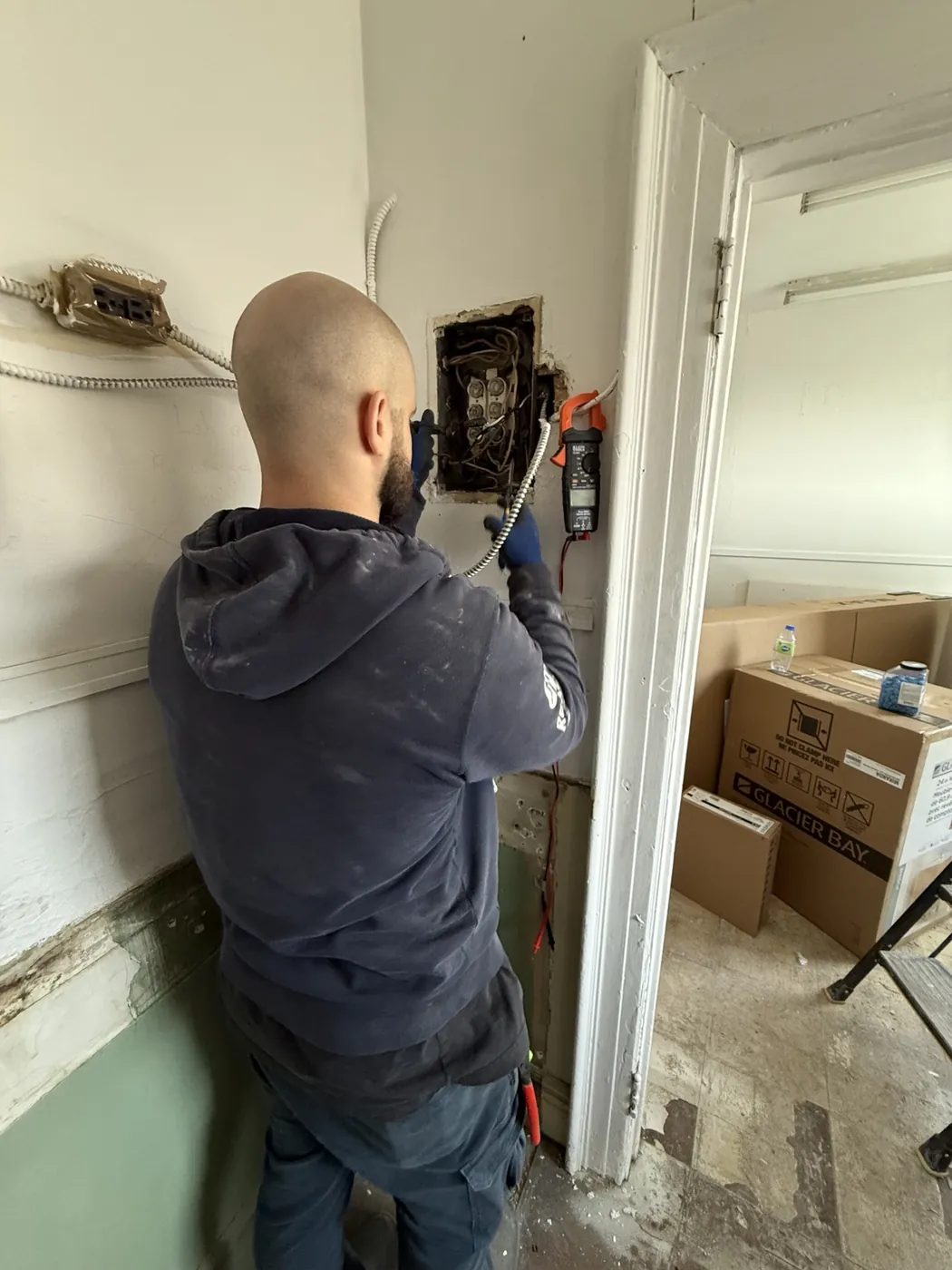
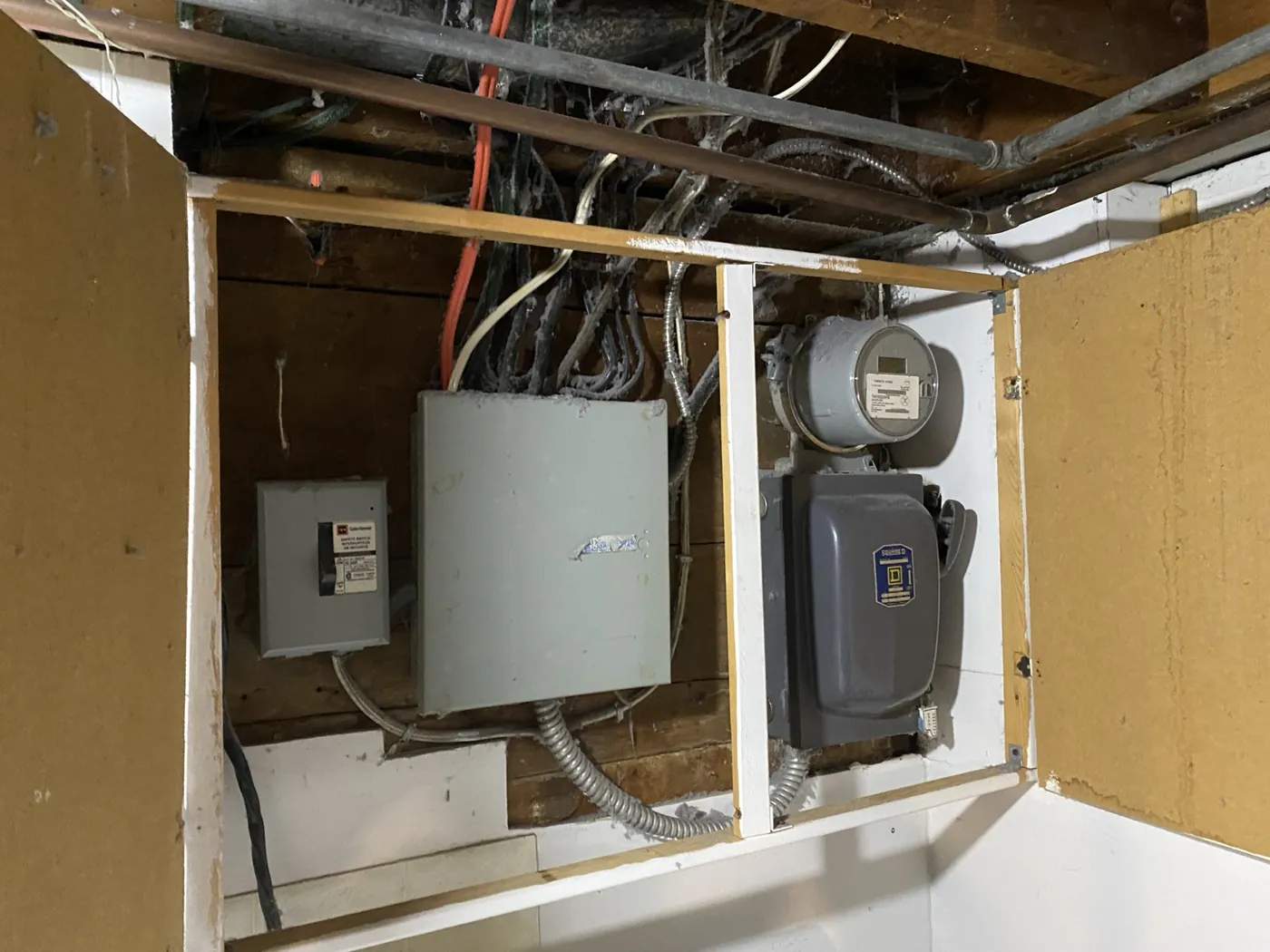
What sounded like a simple appliance addition quickly became a service-capacity discussion. The home was still supplied by an older 60 amp service with fuse equipment. Before adding another significant electrical load, we reviewed the existing service and the work that would be required to modernise it.
The meter was also located inside the basement. Because the service work involved relocating and rebuilding major portions of the electrical service, the homeowner had an opportunity to decide whether it made sense to stop at 100 amps or upgrade to 200 amps at the same time. Our guide comparing 100 amp and 200 amp service covers that same decision in more detail.
Why the Homeowner Chose 200 Amps
Once the meter relocation, service equipment, coordination and installation work were already part of the project, moving to a 200 amp design represented a relatively small additional cost compared with doing another major service upgrade later. The homeowner approved the 200 amp option to give the property substantially more electrical capacity for future needs.
A 200 amp service is not automatically necessary for every Toronto home. The correct service size depends on the home's calculated electrical demand, existing equipment and planned loads. In this case the homeowner preferred to complete the larger upgrade while the service was already being rebuilt.
Relocating the Meter and Rebuilding the Service
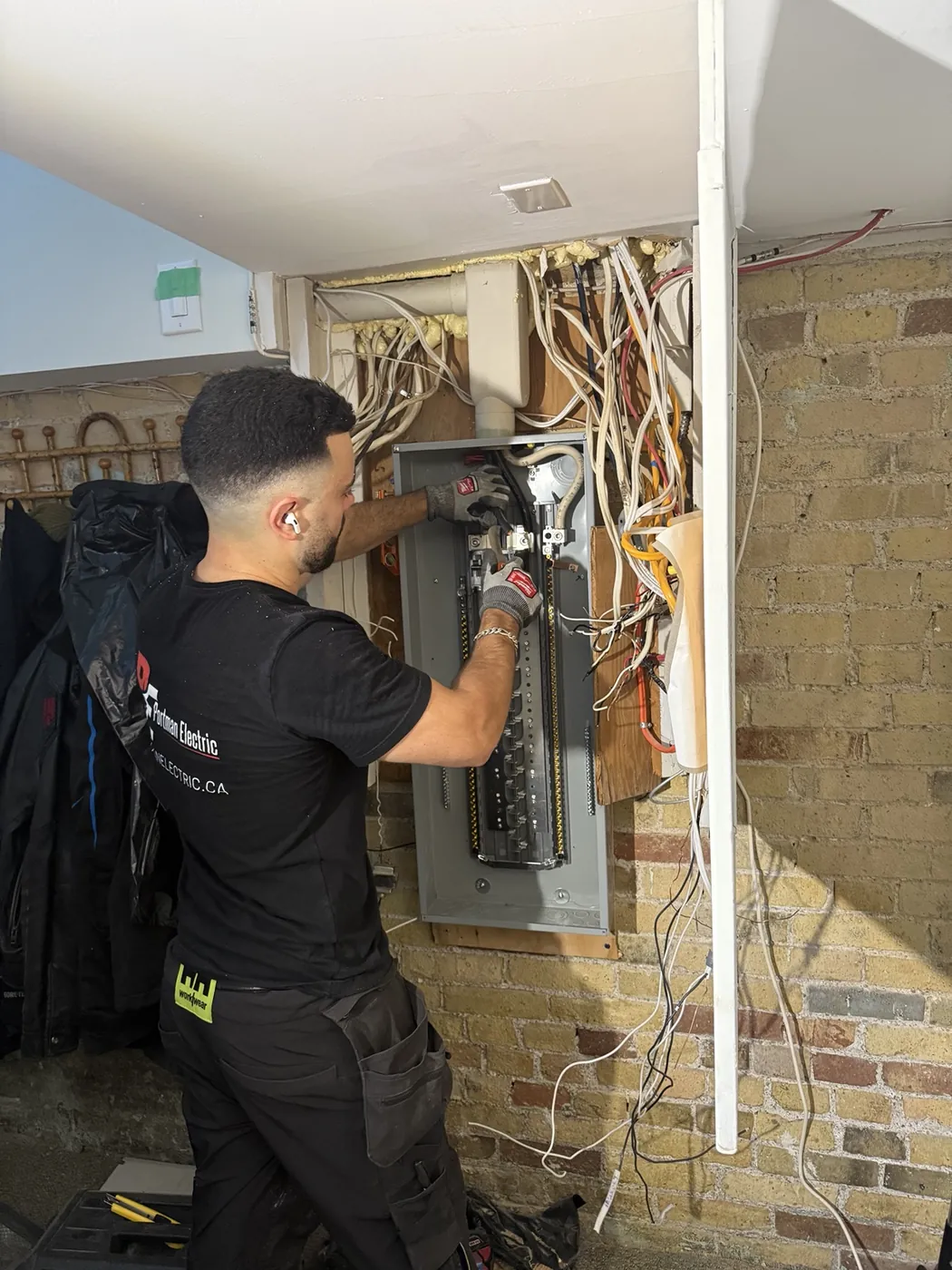
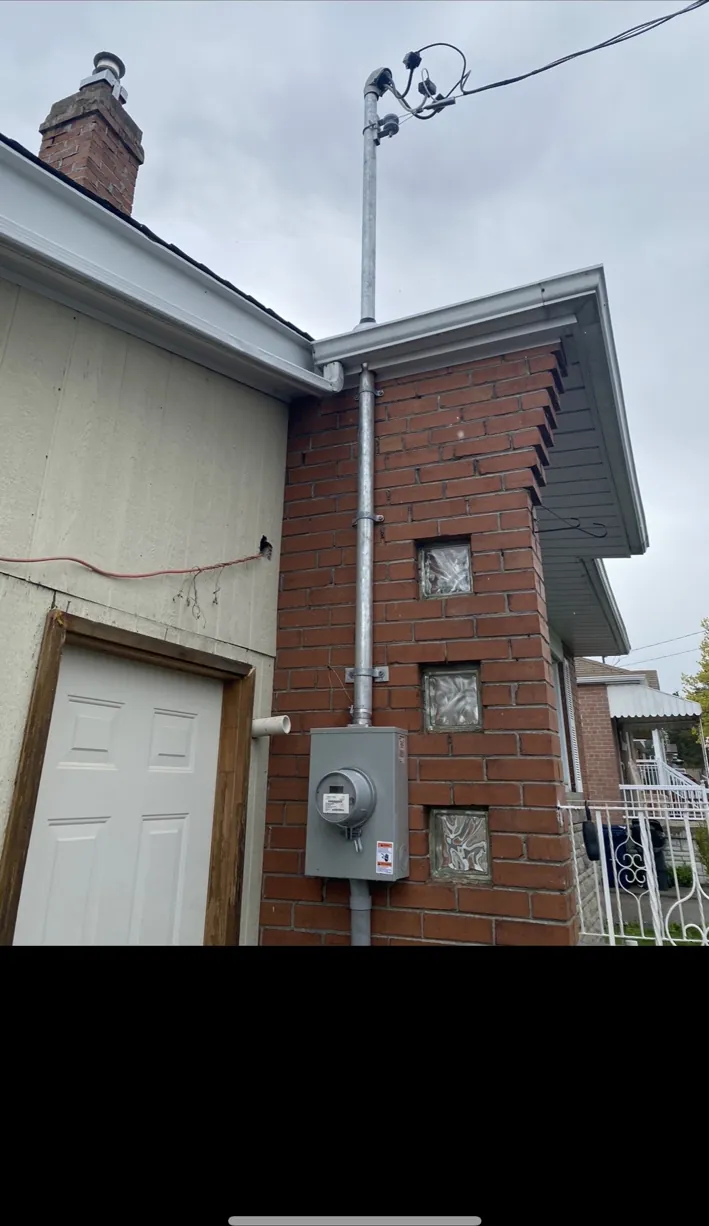
The project went well beyond replacing a fuse box. The electrical service was rebuilt to accommodate the new 200 amp arrangement, and the meter was relocated from the basement to the exterior.
The new service mast and exterior metering equipment created a modern service entrance, while the new panel provided the homeowner with significantly more usable circuit capacity inside. This is standard scope for panel and service upgrades in Toronto.
The New 200 Amp Panel
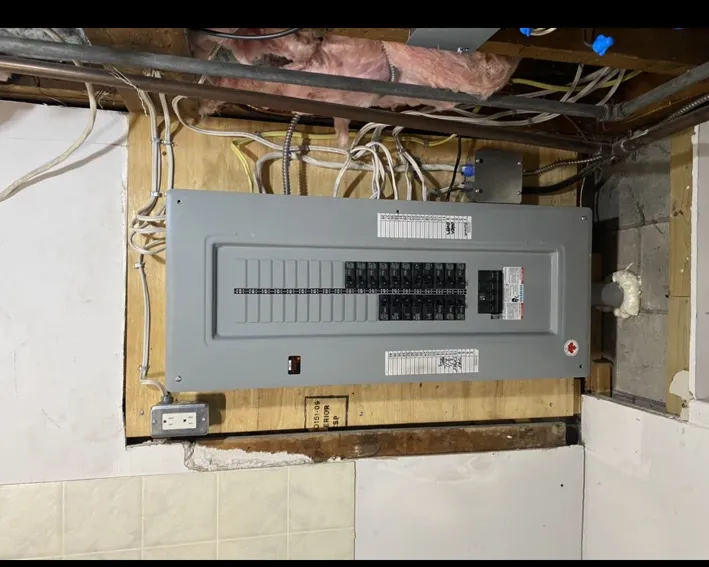
Inside, the new 200 amp Siemens panel replaced the original fuse equipment and gave the home additional circuit space for present and future electrical loads.
From One Appliance to Long-Term Capacity
The washing machine was the reason for the original call, but the project became an example of why older electrical systems should be evaluated as a whole before simply adding another circuit. Instead of investing in a short-term workaround, the homeowner chose to modernise the service and create capacity for future electrical demands.
That can be especially valuable in older Toronto homes where future plans may include additional appliances, air conditioning, renovations, electric vehicle charging or other higher-demand equipment. Any future load still needs to be evaluated against the home's actual service capacity and applicable electrical-code requirements.