The Service Call
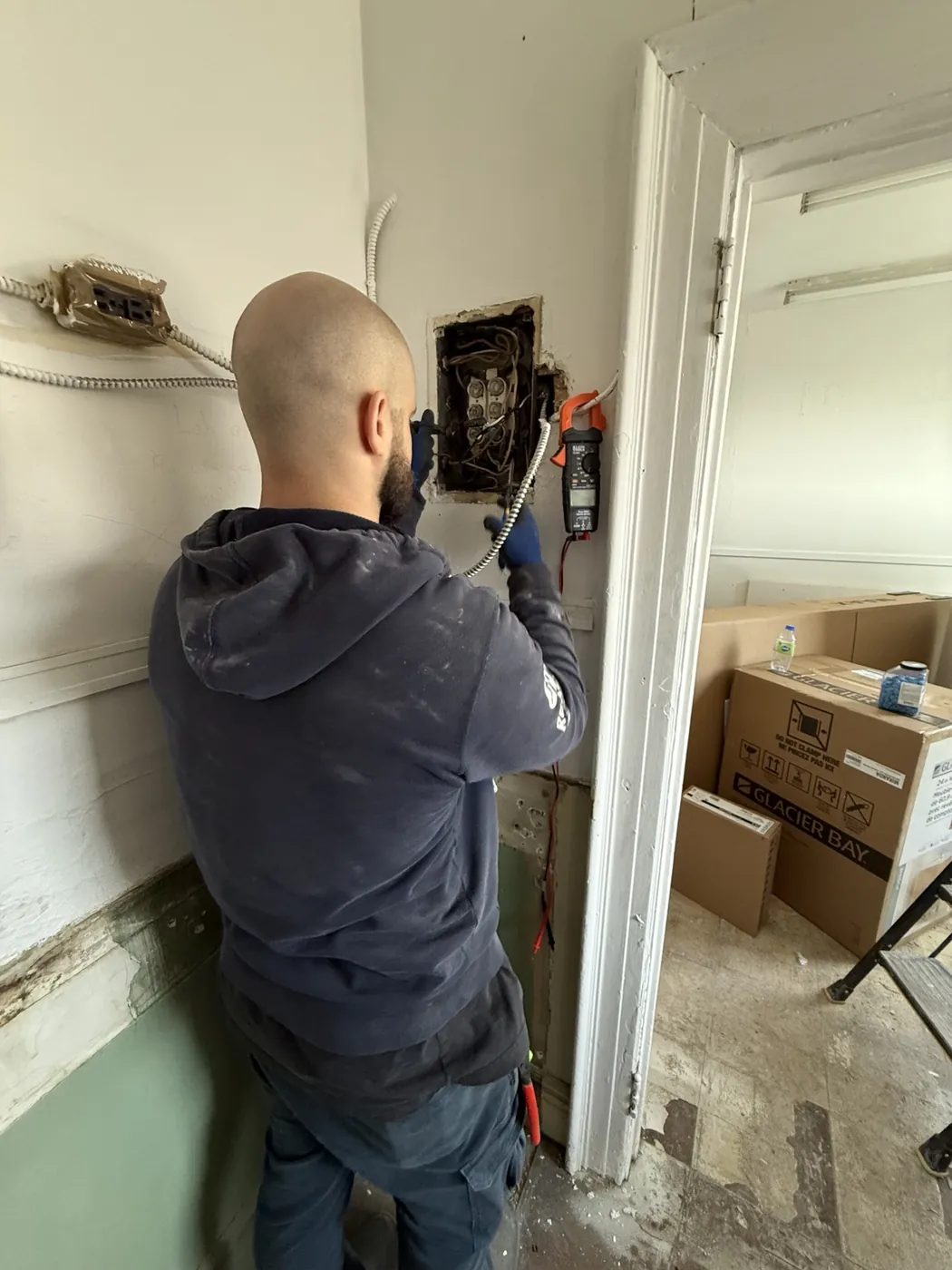
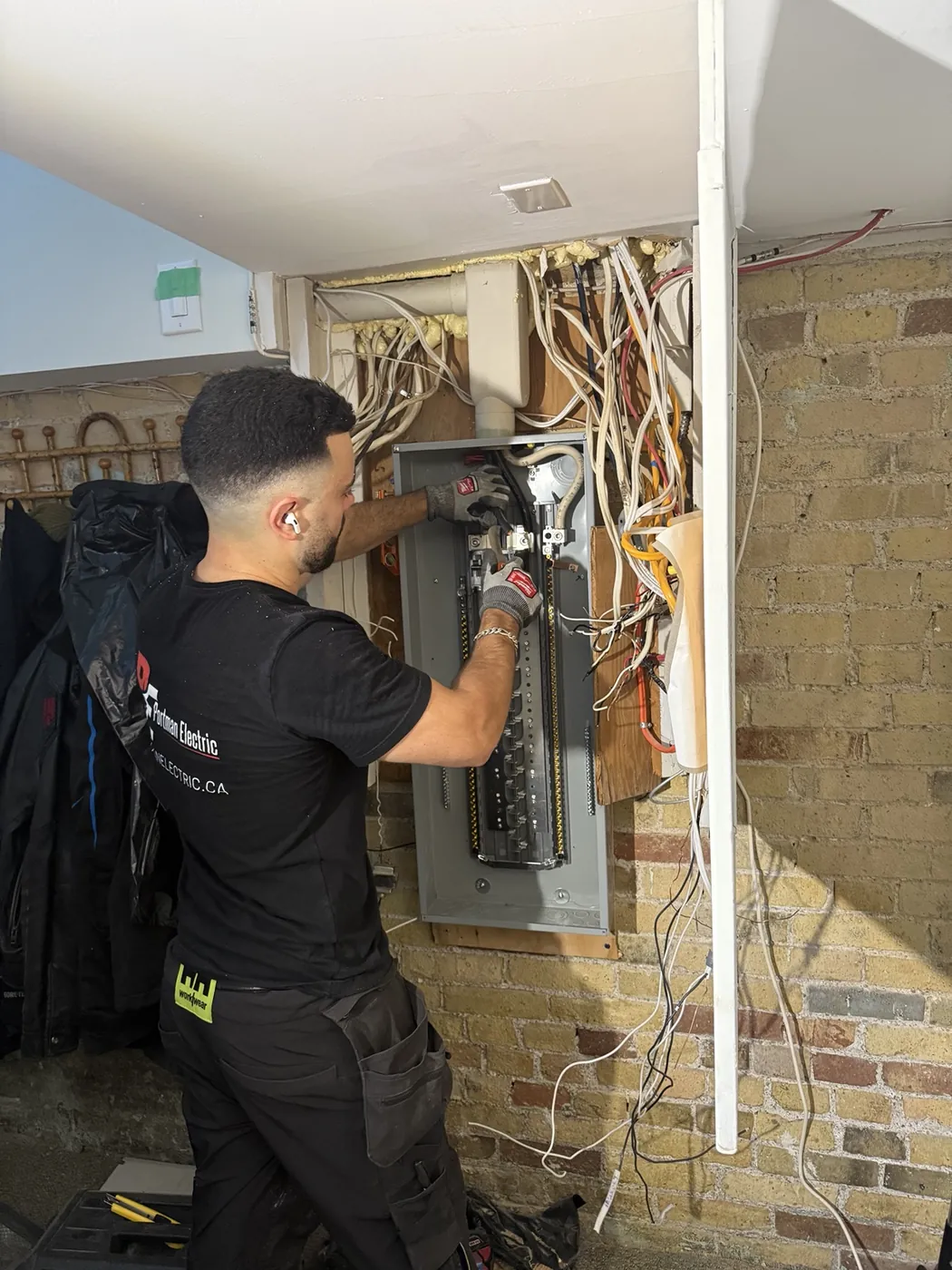
We were called to a home in Riverdale, Toronto to troubleshoot a GFCI receptacle that was not working.
During the diagnosis the electrical panel was opened so the circuit could be identified and the problem traced properly, rather than simply replacing the receptacle. That step is the difference between real electrical troubleshooting and swapping a part and hoping it holds.
What We Found
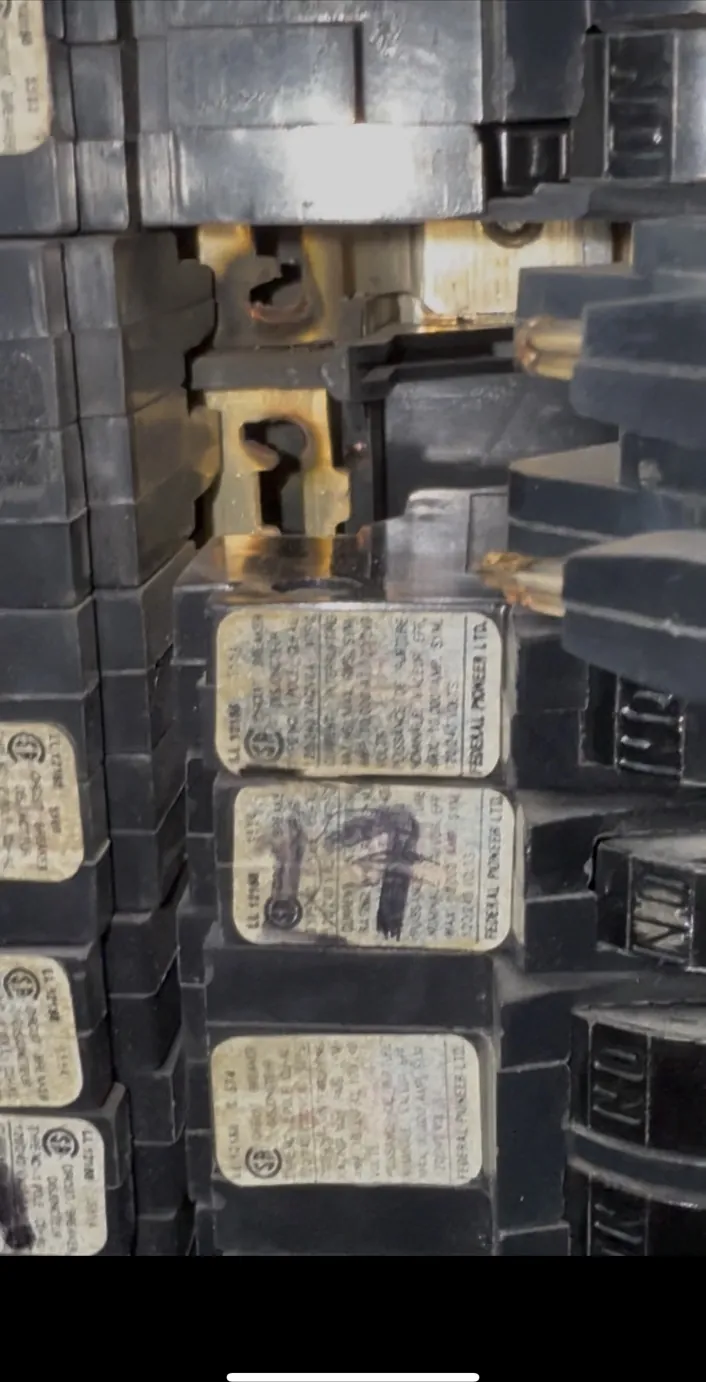
While checking the breakers, one breaker unexpectedly came loose from its connection point. With the breaker out, the underlying bus bar connection was visible — and so was significant heat damage. The breaker connection and panel bus showed clear signs of burning and deterioration.
The damaged area was shown to the homeowner immediately.
Why the Panel Needed Attention
The bus bar is the conductive part of the panel that supplies power to the breakers. Every breaker clips onto it, so that single connection carries the entire load of the circuit behind it.
When a connection at the bus deteriorates, the evidence usually stays hidden behind the panel cover. A compromised bus connection can create excessive heat and further damage inside the panel, which is why replacement was recommended here instead of reusing the existing equipment.
This does not mean every older panel needs to be replaced. Age alone does not decide it. Panel condition should be assessed on the actual equipment, connections, capacity and any signs of deterioration — which is exactly what an electrical safety inspection is for.
Before the Replacement
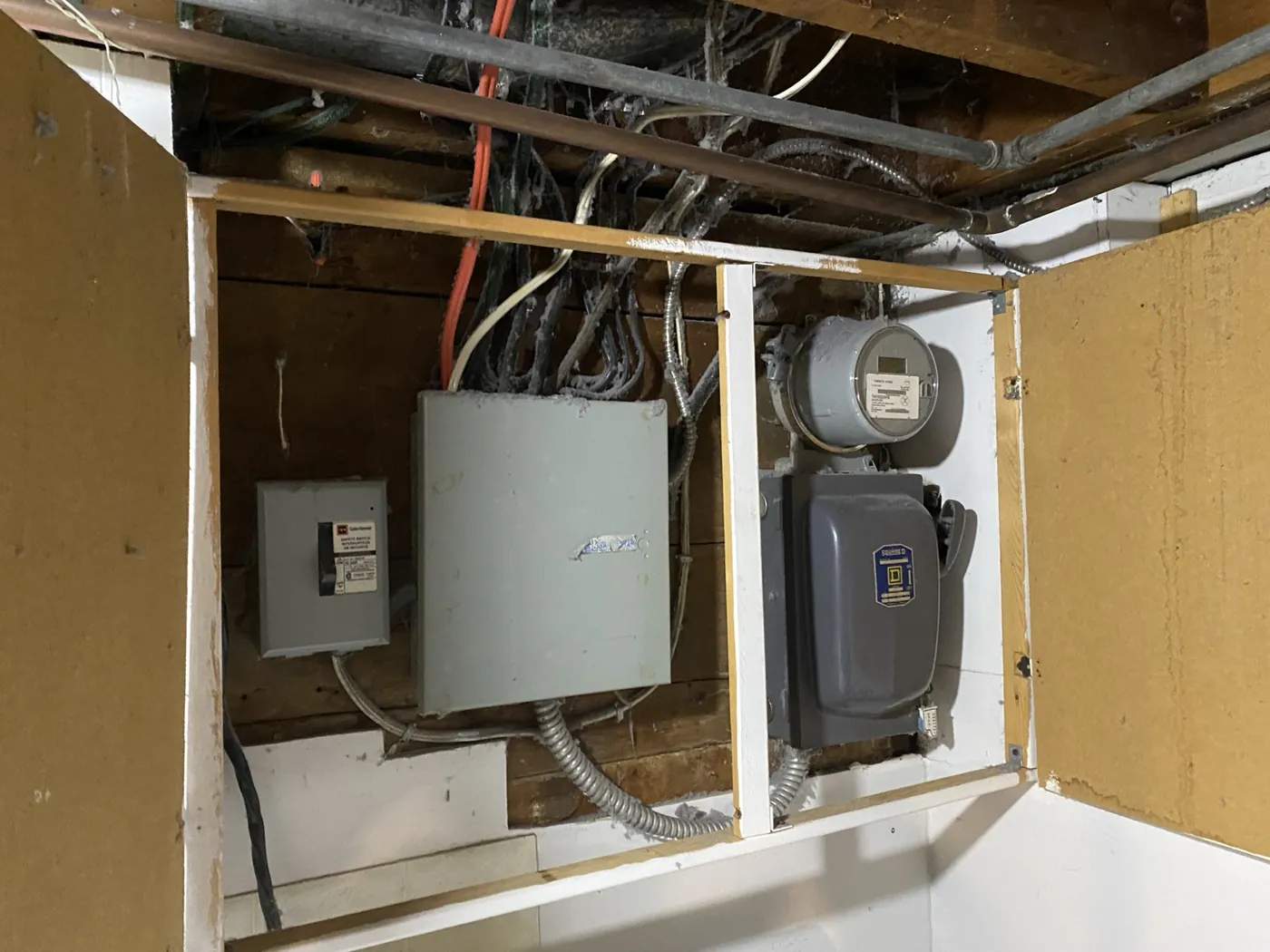
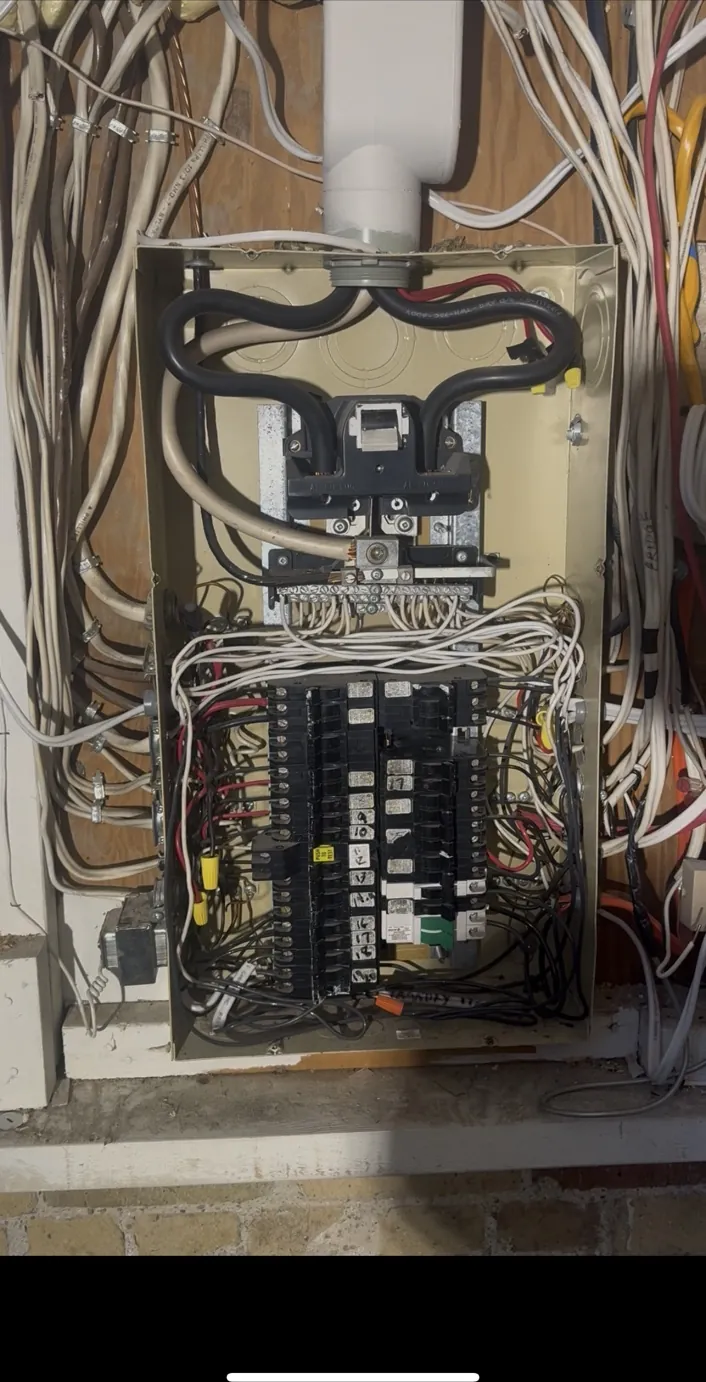
The original panel was approximately 35 to 40 years old. Once the condition of the breaker connection was visible, this was no longer a GFCI repair.
After reviewing the condition of the panel with the homeowner, the replacement was scheduled.
Electrical Panel Replacement
The required electrical shutdown was coordinated with Toronto Hydro so the existing panel could be safely removed and the new equipment installed. That coordination is a normal part of panel and service upgrade work in Toronto — the utility supply has to come off before the panel comes out.
The branch circuits were then transferred to the new panel, organised and identified.
Completed Installation
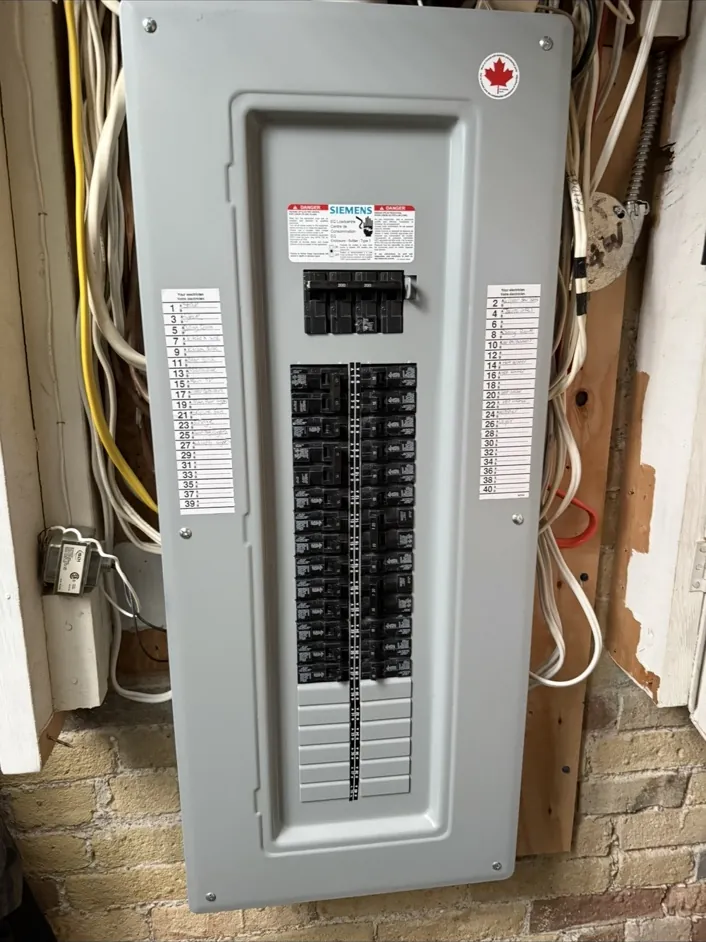
The result was a modern Siemens breaker panel in place of the heat-damaged original equipment, with the branch circuits transferred, organised and labelled so the homeowner can tell what each breaker controls.