Licensed Electrician in Leaside, Toronto
Portman Electric provides licensed electrical work for homes and commercial property in Leaside and across Toronto. We specialize in renovations and additions, panel and service upgrades, older-home wiring, EV chargers, garage and exterior electrical, and troubleshooting.
Text photos of your panel or renovation drawings — 647-835-7757
- ECRA/ESA Licence #7018049
- Old Toronto Home Specialist
- Fully Insured
- Owner-Operated
- Residential & Commercial
Looking for an Electrician in Leaside?
Portman Electric is an ECRA/ESA Licensed Electrical Contractor serving Leaside in Toronto. We work on established houses and the projects that change them: rear and second-storey additions, basement and kitchen renovations, electrical panel and service upgrades including 60 amp and 100 amp services modernized to 200 amps, rewiring and knob-and-tube replacement, EV charger installation, detached garage and exterior electrical, heated driveway and snow-melting electrical, troubleshooting and electrical assessments. We also provide commercial electrical work, which matters in an area that contains both houses and commercial property. Where the work requires notification, we file the ESA notification and coordinate the inspection. Owner-operated and fully insured. Licence #7018049 · 647-835-7757.
Quick Answer
Who is a licensed electrician serving Leaside, Toronto?
Portman Electric is an ECRA/ESA Licensed Electrical Contractor (#7018049) serving Leaside and Toronto. Services include panel and service upgrades, renovation and addition electrical, older-home wiring, EV chargers, troubleshooting, inspections and commercial electrical work.
Electrical Work in an Established Neighbourhood
City of Toronto documentation identifies the 1920s through the 1940s as an important period in Leaside's development, and City heritage material documents purpose-built fourplex properties on Bayview Avenue dating from the mid-1930s. Many established Leaside properties therefore date from earlier periods of Toronto residential development — though the area also contains newer construction, and a great deal of what is there has been renovated since.
That history is useful background rather than a diagnosis. It does not mean every Leaside house was built in the 1930s, that every older property contains knob-and-tube wiring, or that any particular home needs electrical replacement. Some older Leaside properties have been fully rewired. Others have had partial upgrades. Depending on previous renovation history, an older home may contain wiring from three or four different eras in the same basement.
What matters for electrical work is not the construction date but what is actually installed, what condition it is in, what previous work has been done to it, and what the property is now being asked to do. That is established by looking at the installation, not by looking at the year the house was built.
Quick Answer
Does an older Leaside home automatically need rewiring?
No. The age of a home does not by itself determine whether rewiring is required. Wiring type, condition, previous alterations, grounding, circuit capacity and renovation plans should be evaluated first.
Electrical Planning for Leaside Renovations & Home Additions
Leaside houses get extended more often than they get replaced — rear additions, second storeys, dug-out basements, expanded kitchens. An addition changes two separate things about the electrical system, and most planning only accounts for one of them.
What the house draws
New rooms bring new circuits, and new equipment brings calculated demand. A finished basement, a second bathroom and a larger kitchen each add to the total the existing service has to carry.
How far the electrical has to reach
A rear addition, a second storey or a detached garage puts the new work further from the panel than anything in the original house. Distance affects conductor sizing, routing and whether a subpanel makes more sense than a long run of individual circuits.
What the wiring can be routed through
Original construction, previous renovations, insulation, finished ceilings and masonry all decide which paths are actually available. The shortest line on a drawing is often not the route the wiring can take.
How the old and new systems meet
An addition is usually fed from the existing system rather than replacing it. Where the new work ties into older wiring, the condition and capacity of what is already there matters as much as the new circuits.
An addition can increase electrical demand substantially — new rooms, new lighting, additional bathrooms, a home office, a larger kitchen, new heating or cooling equipment, sometimes EV charging and heated floors alongside it. But it also relocates the work: the furthest point in the house moves, and the wiring has to get there through construction that already exists.
Both questions are answerable before rough-in, when the answer still costs nothing to act on. After drywall, the same answer is expensive.
What we review before rough-in
Existing service size
What is physically installed and what it is rated for — not what the house is assumed to have.
Panel capacity and condition
Available breaker spaces, the state of the equipment, and whether breakers are still obtainable for it.
Calculated demand
Existing and planned loads worked out as a calculation rather than estimated from the size of the house.
New appliance loads
Ranges, ovens, cooktops and laundry equipment taken from nameplate ratings.
Heating and cooling equipment
Heat pumps, mini-splits and air conditioning, including whether equipment can run at the same time.
EV charging
The charger's actual rating, and whether load management equipment forms part of the design.
Heated floors and exterior heating
Zones, controls and the loads they add, where they form part of the project.
Lighting and specialty circuits
New lighting layouts, home office equipment and anything needing a dedicated circuit.
Room for future work
Whether the arrangement leaves capacity for equipment the owners expect to add later.
Quick Answer
Should the electrical service be checked before a major Leaside renovation?
Yes. Before a major renovation or addition, the existing panel and electrical service should be assessed against the home's planned electrical loads. New kitchens, heating equipment, EV chargers, finished basements and additions can change electrical demand significantly, but they do not automatically mean a 200 amp upgrade is required.
100 Amp & 200 Amp Service Upgrades in Leaside
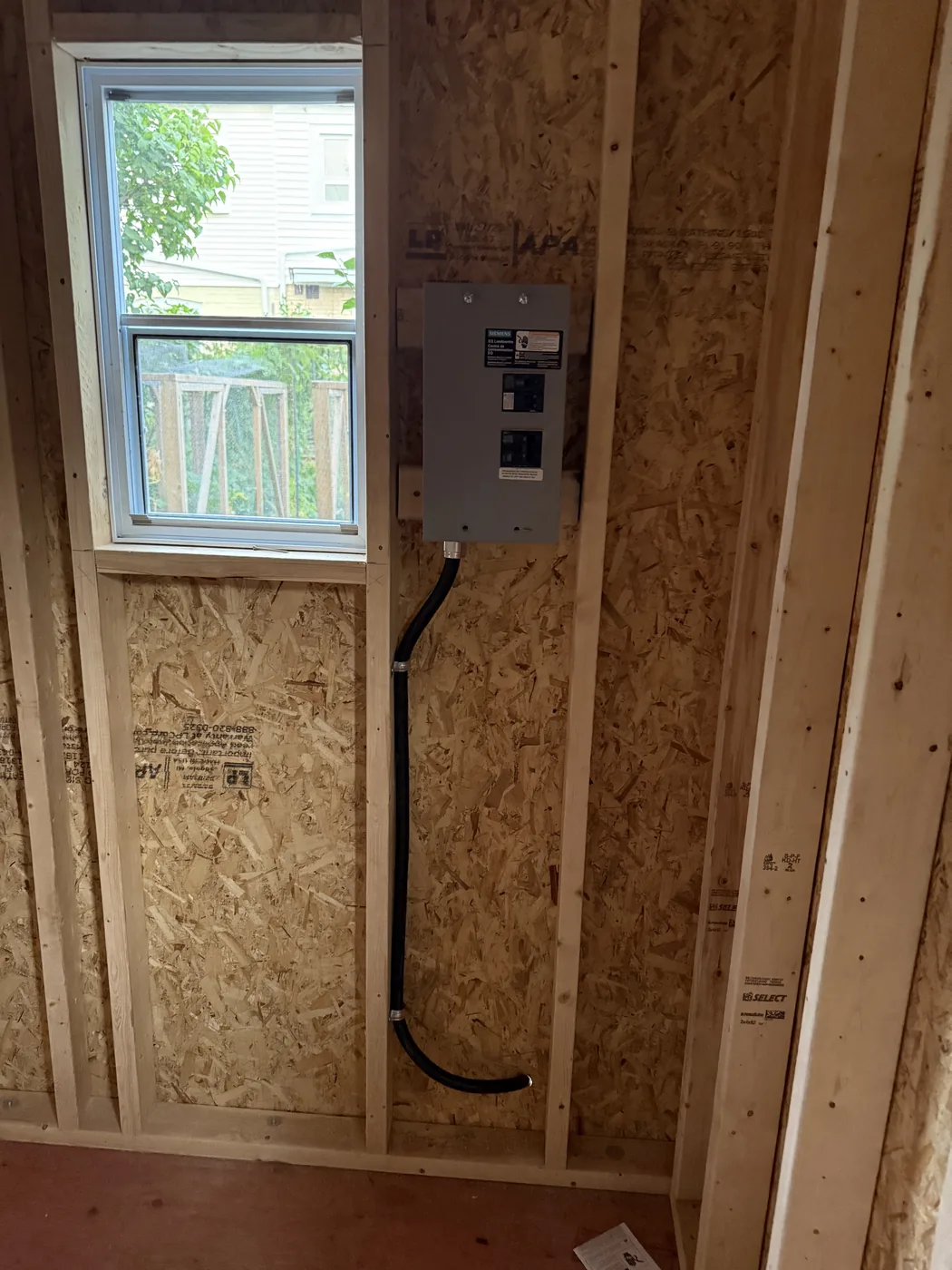
Service work covers 60 amp and 100 amp services, 200 amp modernization, fuse and breaker panels, service conductors, meter equipment, grounding and bonding, overhead service equipment where applicable, Toronto Hydro coordination and ESA notification. The single most useful thing to understand before any of it is that two different jobs are routinely called the same thing.
Panel Replacement
Changes or modernizes the distribution equipment inside the home. It does not necessarily increase the electrical service capacity feeding the house.
- Replaces a fuse panel or an aging breaker panel
- Can address equipment where breakers are difficult to source
- Can provide additional breaker space within the existing service
- Addresses damaged, overheated or unsuitable equipment
- Circuits are transferred to the new panel and re-identified
Full Service Upgrade
May increase the capacity available to the property. What it involves depends on the individual home and its existing equipment.
- The panel, and often the service conductors
- Meter and service entrance equipment
- Grounding and bonding
- Overhead or underground service equipment where applicable
- Coordination with Toronto Hydro where the incoming supply changes
- ESA notification and inspection
Replacing a panel modernizes the equipment that distributes electricity inside the house. It does not, on its own, change how much electricity is available to the house. Those are different pieces of work with different scopes and different costs, and being quoted one while expecting the other is a common and expensive misunderstanding.
Quick Answer
Does a Leaside home need 200 amp service after a renovation?
No. A renovation does not automatically require 200 amp service. Electrical service capacity should be based on a load calculation considering the existing and planned equipment. A larger service can make sense for some homes adding multiple significant electrical loads, while other homes may remain adequately served by the existing system.
Real Electrical Upgrade Projects in Toronto
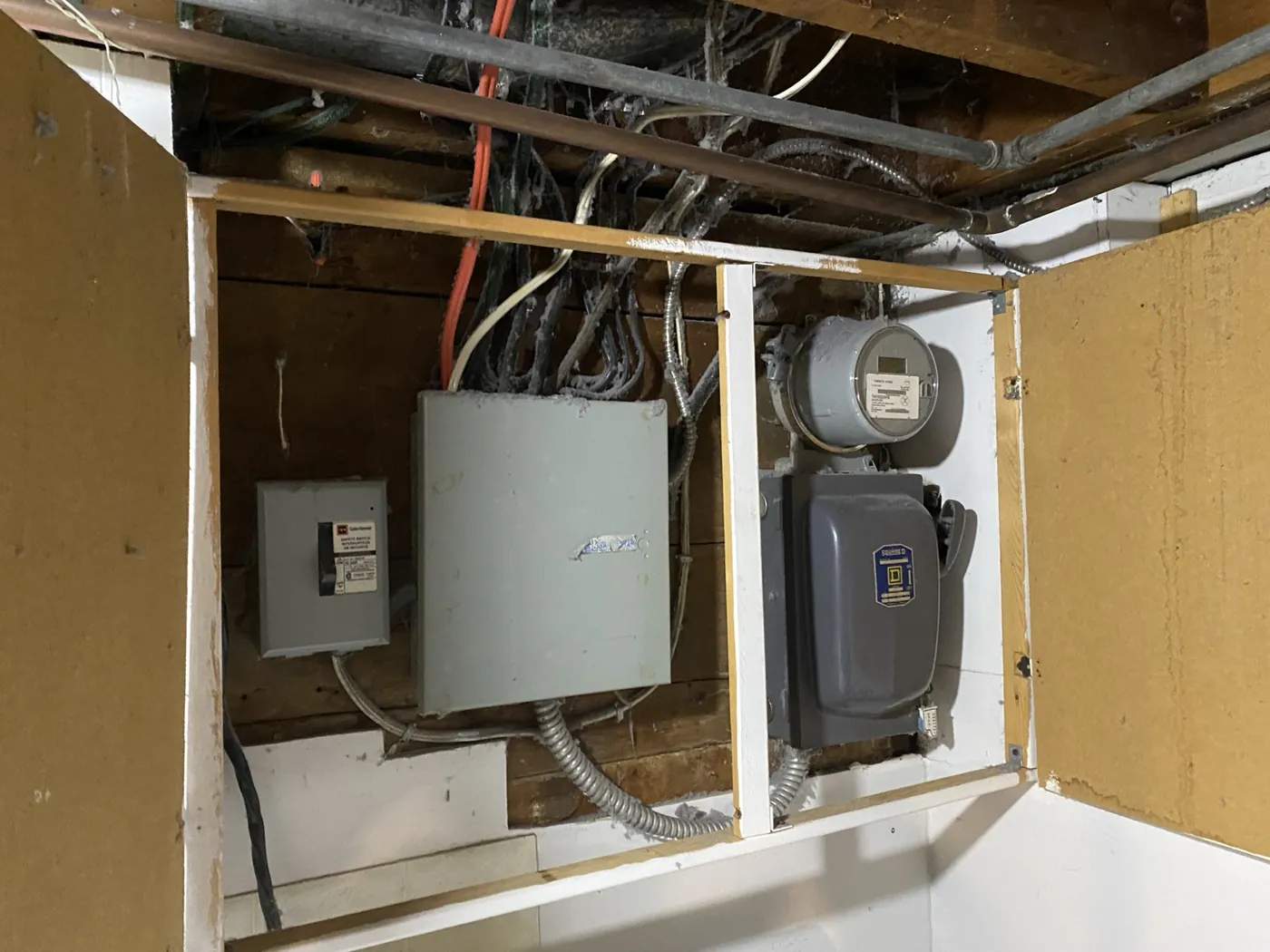
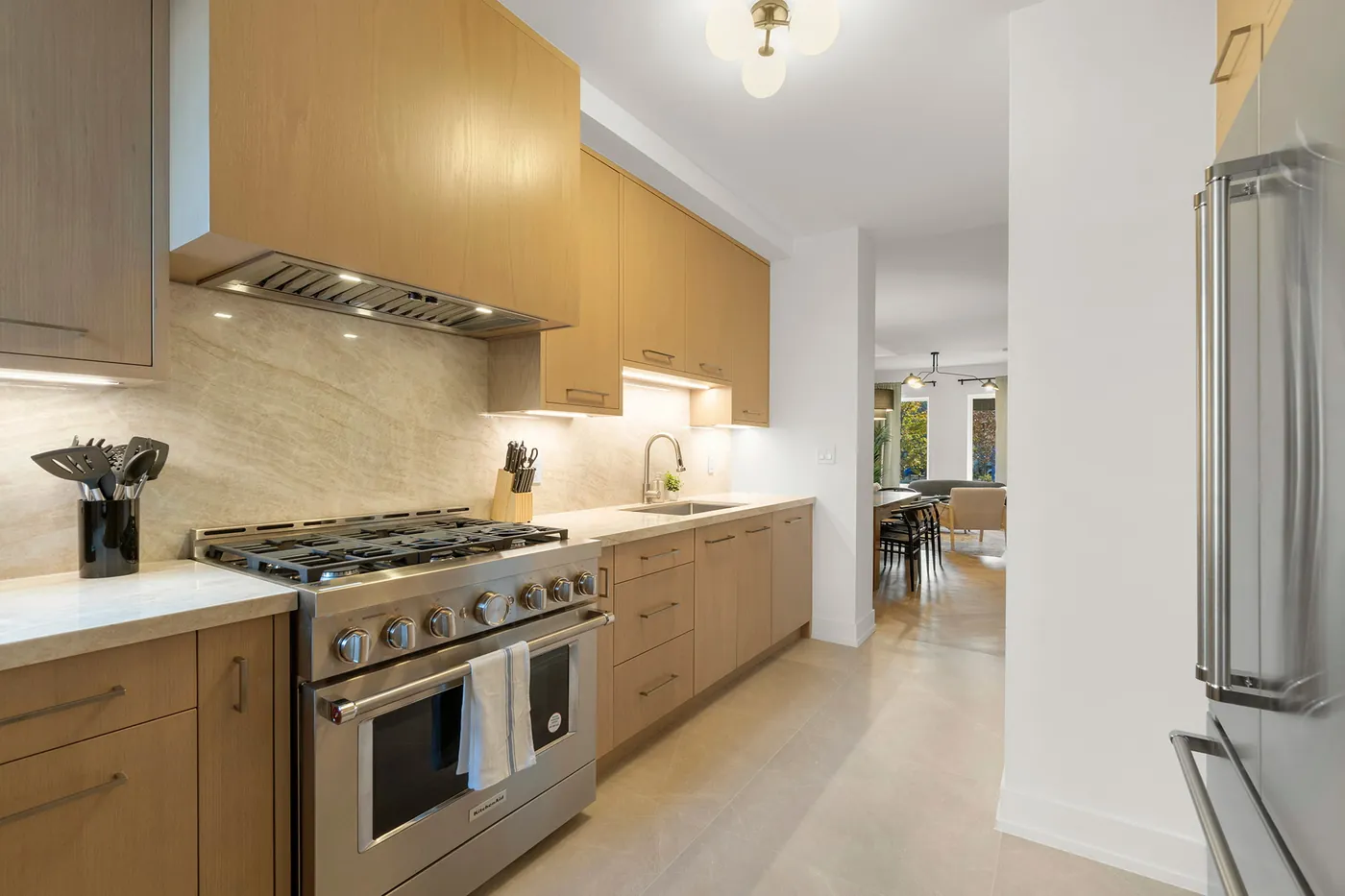
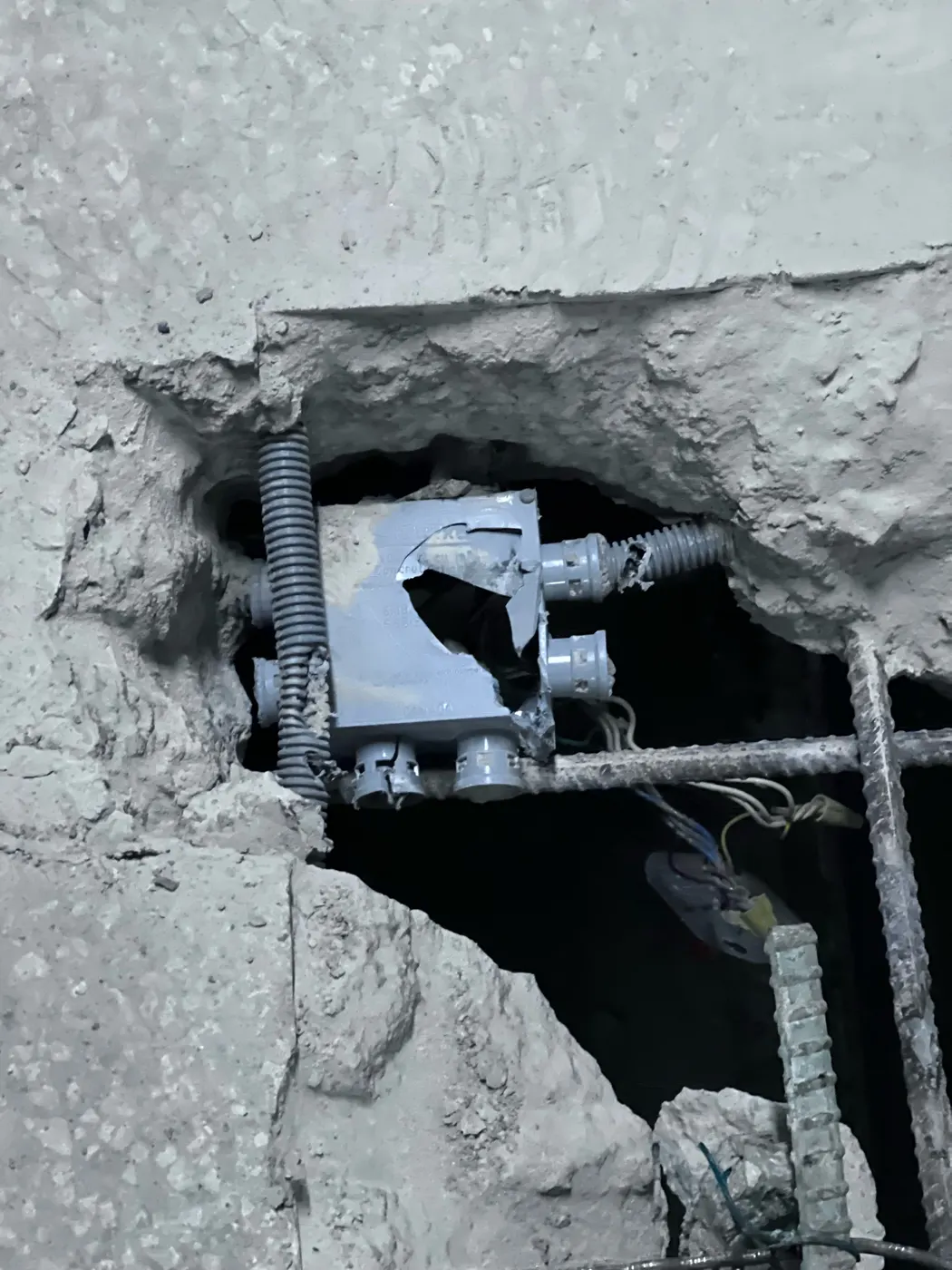
Portman Electric has completed panel upgrades, rewiring, renovations and service modernization projects across Toronto. These examples show the type of electrical work relevant to established Leaside homes and properties. Each is shown with its real location — none of these were Leaside jobs.
Knob & Tube Wiring in Leaside
Knob-and-tube gets discussed in absolutes more than almost any other electrical topic. The reality in older Toronto houses is more specific than that, and the difference matters because it changes how much work a property actually needs.
Age alone does not confirm it
The construction date of a house does not establish what wiring is in it now. Many older Toronto homes have been rewired partially or completely over the decades.
Partial upgrades are common
It is normal to find newer wiring in renovated areas and older wiring left in untouched parts of the same house.
Abandoned wiring may remain visible
Disconnected legacy wiring is often still in place. Visible old wiring does not by itself mean it is energized, but it should not be assumed dead either.
Active wiring has to be traced
Determining what is actually in service requires testing and tracing circuits rather than looking at a basement ceiling.
Equipment grounding
Legacy wiring methods generally lack an equipment grounding conductor, which affects what can be connected to those circuits.
Previous modifications matter
Work added over the years — by various hands and to various standards — often has more bearing on condition than the original installation.
Renovations reveal hidden circuits
Opening walls during an addition or kitchen renovation regularly exposes older circuits that were not visible during any earlier inspection.
Insurer requirements vary
Insurers set their own requirements and they are not consistent between companies. Your insurer or broker is the right source for what yours expects.
EV Charger Installation in Leaside
Where the car parks decides most of the job. An attached garage, a detached garage at the back of the lot and a driveway space are three different installations, even with the same charger and the same house.
Attached garages
Usually the shortest route from the panel, though the path still depends on the finished areas the wiring has to cross.
Detached garages
Typically requires a feed across the yard — either an existing underground feed, if one is present and suitable, or a new route.
Driveway and exterior parking
An exterior-mounted charger with a route planned around the wall construction, the parking position and the length of the charging cable.
Underground routes and trenching
Where a new underground feed is needed, the route has to account for landscaping, hard surfaces and existing buried services.
Existing 100 amp services
A 100 amp service does not automatically rule out a charger. Available capacity is determined by the applicable load calculation.
Load management equipment
Where capacity is limited, approved load management equipment or a lower charging current can be alternatives to a service upgrade.
Quick Answer
Can a 100 amp Leaside home support an EV charger?
Possibly. A 100 amp electrical service does not automatically prevent EV charger installation. Available capacity should be assessed through the applicable load calculation. Depending on the home and desired charging rate, options may include the existing service, lower charging current, approved load-management equipment or a service upgrade.
Quick Answer
Can Portman install an EV charger in a detached Leaside garage?
Yes. Portman Electric installs EV charger circuits for Toronto homes, including garage and exterior installations. The route, electrical service capacity, feeder requirements and potential load management should be assessed for the individual property.
Detached Garage & Exterior Electrical in Leaside
A detached garage is the one part of a property where the electrical almost always has to be planned as a whole rather than added to piece by piece — because everything in it depends on a single feed crossing the yard.
Garage lighting
Interior lighting suited to how the space is actually used — parking, storage, a workshop or a combination.
Receptacles and dedicated circuits
General receptacles, and dedicated circuits where specific equipment needs one.
Garage subpanels
Where the intended load justifies it, a subpanel can be a better arrangement than several long individual circuits.
EV charger circuits
Planned alongside the rest of the garage load rather than added to it afterwards.
Underground feeds and conduit
New underground routes, or assessment of an existing feed where one is already in place.
Garage heaters
Where a heater forms part of the plan, its load is included in the assessment rather than treated separately.
What decides the right feeder or circuit arrangement
- The total load the garage is expected to carry, now and later
- The distance between the house and the garage
- The existing electrical service and available capacity
- How the garage is actually used — parking, workshop, storage or a combination
- Whether usable underground infrastructure is already in place
Where a new underground route is required, the trenching and conduit work is part of the same job — see trenching and underground conduit.
Heated Driveway & Snow-Melting Electrical in Leaside
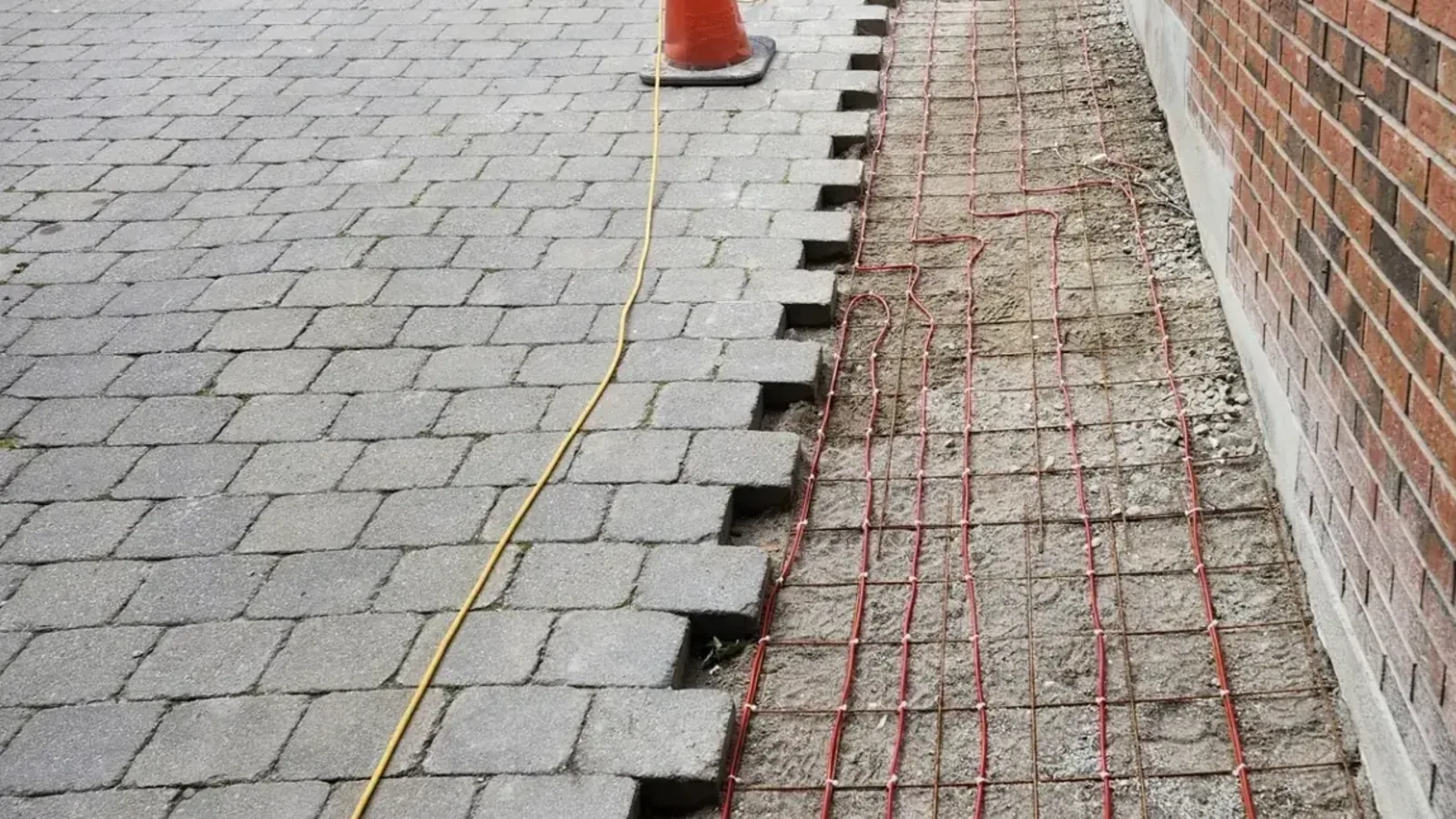
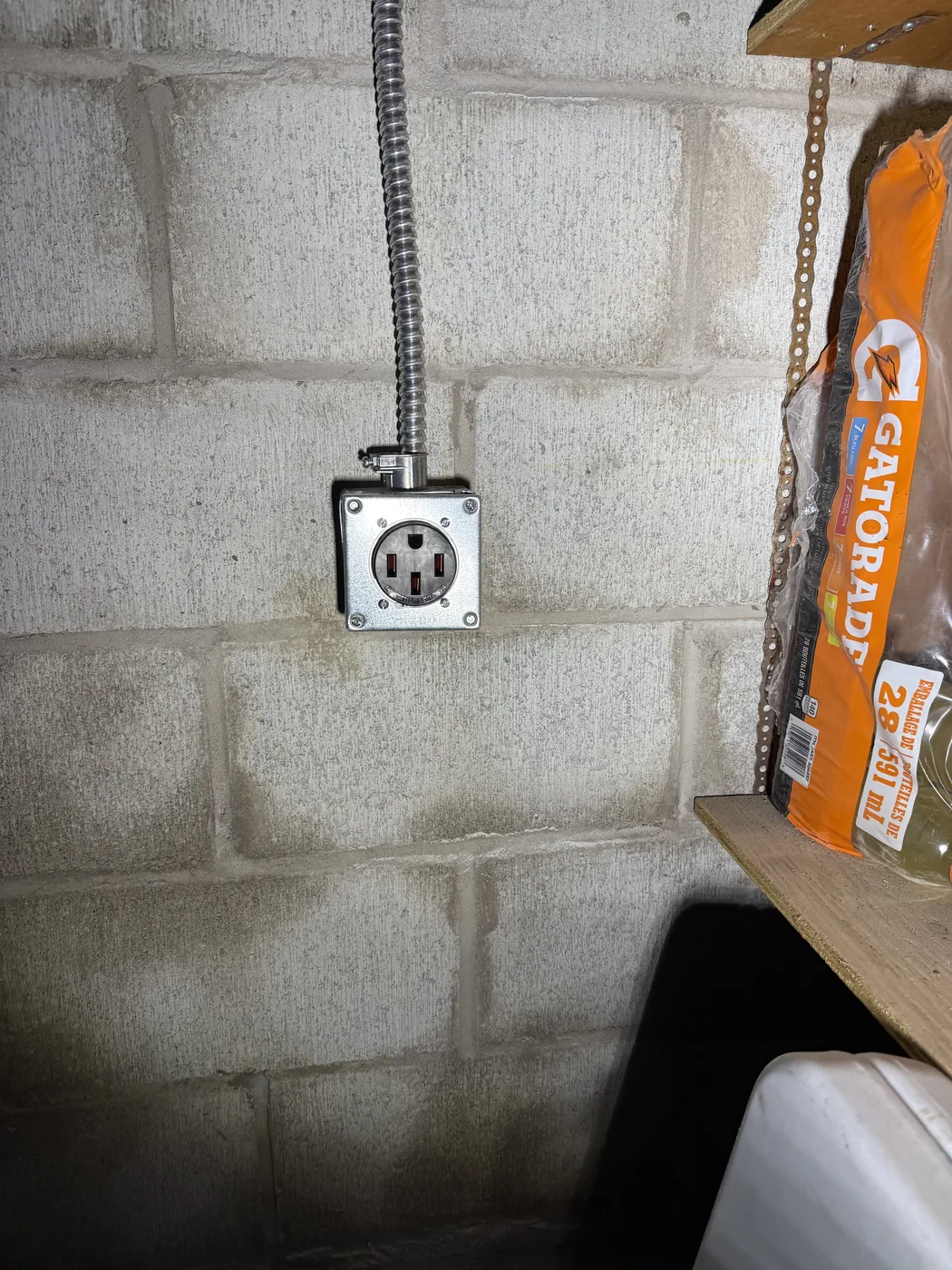
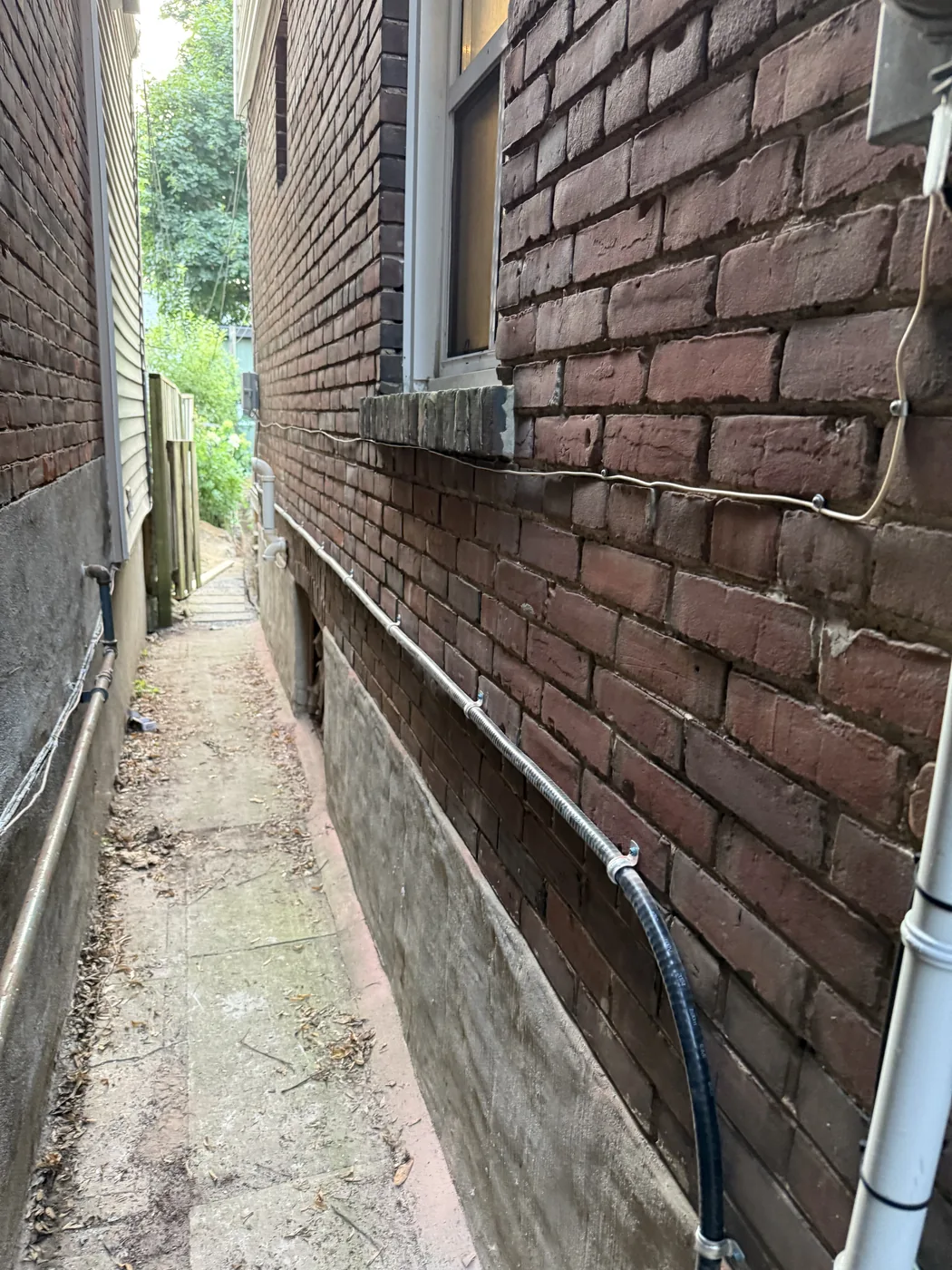
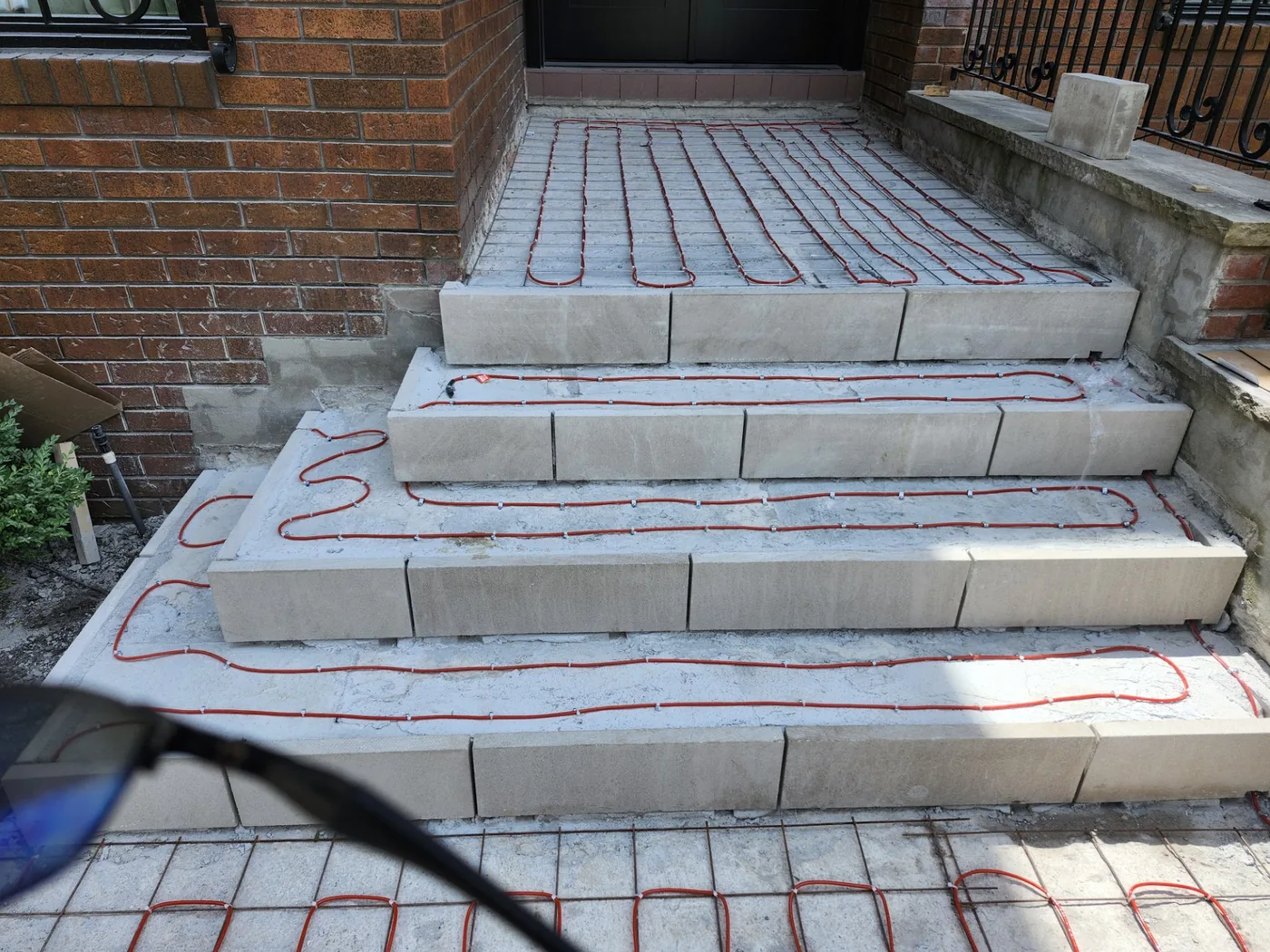
Portman Electric handles the electrical side of snow-melting systems. The heating cable and the surface it goes under are supplied and installed by the driveway, concrete or landscape contractor; the electrical supply, controls and load assessment are ours.
Electric snow-melting cable systems
The electrical side of driveway and surface heating systems — the supply, the controls and the connections.
Dedicated electrical feeds
Snow-melting systems are a significant continuous load and are supplied by their own dedicated circuits.
Controls, sensors and contactors
Control equipment, sensors and contactors installed and connected as part of the electrical scope.
Load calculation and service capacity
The load is assessed against the existing service before the system is committed to, not after the driveway is poured.
Coordination with your other trades
The electrical work is coordinated with the driveway, concrete or landscape contractor and the system supplier.
ESA notification where required
Where the work requires notification, it is filed and the inspection is coordinated.
The part worth settling early is capacity. Snow-melting systems draw a significant continuous load for as long as they run, and that load has to be assessed against the existing electrical service before the driveway is committed to — not after it has been poured. It does not automatically require a 200 amp service, but it does require a calculation.
Electrical Troubleshooting in Leaside
These are the descriptions homeowners actually give us. None of them can be diagnosed remotely — but each one narrows down where testing should start.
“Half my house lost power.”
Possible causes include a tripped device, a failed connection, a problem in one leg of the incoming supply or an issue in the panel. Because it affects a group of circuits rather than one, testing at the panel and the service equipment is the starting point.
“My breaker keeps tripping.”
A breaker that trips repeatedly is generally responding to something. Possible causes include an overloaded circuit, a fault in the wiring or a connected device, or a breaker that has itself failed. Testing is required to tell them apart.
“My lights flicker or dim.”
Possible causes include a loose or deteriorated connection, a shared circuit reacting to a large load starting, or a problem in the service or panel. Flickering across the whole house is treated differently from flickering in one room.
“The addition has electrical problems but the rest of the house is fine.”
This usually points at the newer work or at the connection between the addition and the original system. Tracing how the addition is fed and how it ties in is the first step.
“My garage suddenly has no power.”
Possible causes include a tripped device in the house, a fault in the feed between the buildings, or damage to an underground run. Where the feed is buried, testing determines whether the problem is at either end or along the route.
“My panel is buzzing.”
A buzzing panel should be looked at rather than monitored. Possible causes include a loose connection, a failing breaker or a device under stress. Do not remove the panel cover — call an electrician.
“A GFCI keeps tripping.”
A GFCI trips in response to current leaving the circuit by an unintended path. Possible causes include moisture, a fault in a connected device, a wiring fault or a failed device. Repeated tripping should be investigated rather than reset repeatedly.
“We opened a renovation wall and found old wiring.”
Finding older wiring mid-renovation is common. What matters is whether it is energized, what it feeds and what condition it is in. That is determined by testing, and it is far easier to address while the wall is open.
“Some circuits look much newer than others.”
Most older Toronto houses contain work from several eras. A mixed system is not automatically a problem, but it does mean assumptions about how a circuit is wired are unreliable until it is traced.
“My kitchen trips breakers when several appliances run.”
Possible causes include multiple appliances sharing a circuit that was adequate for an earlier kitchen, or a fault in one appliance. Kitchens in older houses are a common place for demand to have outgrown the original circuit layout.
Electrical Assessments for Older Leaside Homes
Three different things get called an inspection, and they are not interchangeable. Knowing which one you actually need saves both time and money.
Portman contractor assessment
A licensed electrical contractor examining the installation to establish what is there, what condition it is in and what work is warranted. This is what informs a quote and a plan.
ESA inspection
The Electrical Safety Authority is the provincial regulator. ESA inspects work carried out under a notification. It is a regulatory inspection, and it is not the same as hiring a contractor to assess your system.
General home inspection
A home inspector reviews the whole property at a general level as part of a purchase. Electrical findings are typically noted for further review rather than diagnosed in detail.
When an assessment is commonly requested
- Buying an older house and wanting to understand the electrical system before closing
- Planning a major renovation or an addition
- An insurer has asked for information about the wiring
- The panel is older, or is fuse equipment
- Concerns about knob-and-tube or other legacy wiring
- Aluminum branch wiring discovered during other work
- Previous additions or renovations of unknown scope
- Planning EV charging and needing to understand available capacity
Commercial Electrician Serving Leaside
Leaside is unusual among Toronto residential neighbourhoods in containing genuine commercial and former industrial areas alongside the houses, including corridors such as Laird Drive. We provide both kinds of work, so a property owner with a house and a commercial unit is not dealing with two contractors.
Commercial troubleshooting
Diagnosing faults in commercial distribution, equipment circuits and lighting.
Commercial lighting
Lighting installation, replacement and upgrades for commercial spaces.
Dedicated equipment circuits
Circuits for specific commercial equipment, sized and installed for the actual load.
Panels and distribution
Commercial panel and distribution work, including replacement of aging equipment.
Tenant improvement electrical
Electrical work for leased commercial spaces being fitted out or reconfigured.
Commercial renovation electrical
Electrical scope for commercial renovations, coordinated with the rest of the build.
Ongoing maintenance
Electrical maintenance for commercial properties and their equipment.
Urgent commercial electrical
Response to commercial electrical failures affecting operations or safety.
Electrical Service for Property Owners & Managers
Leaside includes rental houses and small multi-unit residential properties, some of them purpose-built. We work with owners and property managers on the electrical side of running those buildings — including duplexes, triplexes and small multiplexes.
- Troubleshooting in multi-unit and rental properties
- Common-area lighting and electrical
- Panel and distribution problems
- Urgent electrical response for tenanted buildings
- Electrical work for tenant renovations and turnovers
- Electrical assessments for owners and managers
- Lighting upgrades and replacements
- Ongoing electrical maintenance
Emergency Electrician Serving Leaside
Some electrical conditions should not wait for a scheduled appointment.
- A burning smell near electrical equipment
- Arcing, sparking or visible damage
- A panel that is hot, buzzing or discoloured
- Sudden loss of power affecting only your property
- Damaged service equipment, mast or entrance cable
- Storm damage to electrical equipment
- Water around electrical equipment
- Main breaker problems
Same-day and after-hours service may be available depending on location, access, the nature of the problem and current scheduling. If you smell burning or see arcing, call rather than message — 647-835-7757.
What Type of Electrical Upgrade Does Your Home Need?
Four different jobs get discussed as if they were one. This is roughly how they separate.
Troubleshoot / Repair
Potential fit when:
- The issue is isolated rather than general
- One circuit or device is affected
- The rest of the installation remains suitable
Rewire / Circuit Modernization
Potential fit when:
- Legacy wiring remains in service
- A renovation has exposed older wiring
- Additional modern circuits are needed
Panel Replacement
Potential fit when:
- The distribution equipment itself needs replacement
- Breaker capacity or space is the constraint
- Fuse or obsolete panel equipment is being modernized
Service Upgrade
Potential fit when:
- Calculated demand requires additional capacity
- Major electrical loads are being added
- The electrical service needs broader modernization
The correct scope depends on the actual electrical system. An older home does not automatically need a complete rewire or a 200 amp service.
Common Electrical Projects in Leaside Homes
The seven conversations we have most often, and what each one actually turns on.
“We're adding a second floor or a rear addition.”
The addition's circuits are added to the existing calculated demand, and the panel needs the space to accept them. Because an addition sits further from the panel than the original rooms, the route and conductor sizing matter as much as the total load. This is worked out before rough-in, when changing the plan still costs nothing.
“We're completely renovating the kitchen.”
Kitchens concentrate more load into one room than anywhere else in a house. Ranges, ovens, cooktops, dishwashers, microwaves and small-appliance circuits are taken from their actual ratings and added to the calculation. A kitchen in an older house often has fewer circuits than the new layout requires.
“Our house still has a 100 amp service.”
A 100 amp service is not automatically inadequate. Whether it remains suitable depends on the calculated demand of the equipment actually installed and planned. Many homes are well served by 100 amps; others adding several significant loads at once are not. The calculation decides, not the number on its own.
“We want an EV charger in the garage.”
Three things are assessed: whether the service has capacity for the charging rate you want, how the circuit is routed to the garage, and whether load management equipment would let you avoid a service upgrade. A detached garage adds the question of how the feed crosses the yard.
“We found knob-and-tube during a renovation.”
The first questions are whether it is energized, what it feeds and how far it extends. That requires tracing rather than assumption. Finding it with walls already open is the least disruptive time to deal with it, and the scope can often be limited to the circuits that are actually still in service.
“We want a heated driveway.”
Surface heating is a significant continuous load with its own dedicated supply and controls. The load is assessed against the existing electrical service before the system is committed to — including whether it can run at the same time as everything else in the house.
“Our house has wiring from several previous renovations.”
Mixed-era wiring is normal in older Toronto houses. It is not automatically a problem, but it does mean no assumption about a circuit holds until it is traced. Testing establishes what is actually connected to what before any new work is planned around it.
Getting an Electrical Quote in Leaside
A useful remote estimate depends almost entirely on what you send. Here is what actually helps for each type of job.
Panel or service work
- A photo of the outside of the panel, with the cover closed
- The panel or service label where it is safely visible
- The meter and service equipment outside the house
- A list of the electrical loads you are planning to add
Renovations and additions
- Drawings, if you have them
- Photos of the rooms or the area being changed
- Appliance specifications where they are known
- A description of the scope, and any EV or heating plans
EV charger installation
- Where you want the charger mounted
- A photo of the panel with the cover closed
- The garage or parking location
- The approximate route and distance from the panel
Heated driveway electrical
- Driveway dimensions or plans, if available
- Information about the heating system being used
- Photos of the electrical panel and service equipment
- Any contractor drawings or system specifications
Safety note
Never remove a panel cover or open electrical equipment to take a photo. Photographs of the outside of the panel, the meter and the surrounding area are all we need, and they are safe to take. Anything behind a cover is our job.
Electrical Services We Provide in Leaside
Renovation & Addition Electrical
Electrical scope for additions, second storeys, basements and whole-house renovations, planned before walls close.
Panel & Service Upgrades
Fuse panels, older breaker panels, 60A and 100A services and 200A modernization with ESA coordination.
Rewiring & Knob-and-Tube
Whole-home and partial rewiring in older Toronto houses, scoped to the circuits actually in service.
Residential Rough-In
Circuit layout, boxes and wiring coordinated with framing, insulation and cabinetry.
EV Charger Installation
Charger circuits for attached and detached garages, driveways and exterior locations.
Heated Driveways & Snow Melting
The electrical side of snow-melting systems — dedicated feeds, controls and load assessment.
Electric Heated Floors
Heated floor circuits, sensors and controls for bathrooms, kitchens and finished spaces.
Trenching & Underground Conduit
Underground routes to garages, exterior equipment and detached structures.
Electrical Troubleshooting
Tracing and testing faults in older and mixed-era wiring rather than guessing at them.
Electrical Safety Inspections
Assessments for purchases, renovations, insurer requests and capacity planning.
Pot Light Installation
Pot lights and new lighting layouts in existing and renovated ceilings.
Residential Electrical
General residential electrical work across Toronto homes.
Commercial Electrical
Commercial troubleshooting, lighting, distribution and tenant improvement electrical.
Property Management Electrical
Electrical service for rental houses, small multiplexes and managed properties.
Emergency Electrician
Response to urgent electrical conditions across Toronto.
Serving Leaside & Nearby Toronto Neighbourhoods
We serve Leaside — including South Leaside and North Leaside, and the areas around Bayview Avenue, Laird Drive, Eglinton Avenue East, Millwood Road and McRae Drive — from across Toronto. Portman Electric does not operate an office in the neighbourhood.
- Leaside
- South Leaside
- North Leaside
- Bennington Heights
- Moore Park
- Davisville
- Mount Pleasant
- Thorncliffe Park
- East York
- Forest Hill
Highlighted areas have their own page. The rest are areas we serve from across Toronto.
Electrical Guides Worth Reading First
Why Choose Portman Electric in Leaside?
We evaluate the existing system before automatically recommending expensive upgrades. Sometimes the answer is that the service is fine and the problem is one circuit.
ECRA/ESA Licensed
Licensed Electrical Contractor, Licence #7018049. You can verify any Ontario contractor's licence before hiring.
Older Toronto Home Experience
Most of our work is in houses that have been altered, extended and partially rewired over decades.
Real Service-Upgrade Projects
Documented panel and service upgrade work on this site, with photographs from the actual jobs.
Renovation Electrical Experience
Renovation and rough-in work planned from drawings through to final connection.
Residential and Commercial
Both residential and commercial electrical work, which matters in an area that contains both.
Practical Load Assessment
Capacity questions answered by calculation rather than by assumption about the age or size of the house.
ESA Coordination
Where work requires notification, we file it and coordinate the inspection.
Owner-Operated and Insured
Owner-operated and fully insured, with a Master Electrician on the work.
WHAT OUR CUSTOMERS SAY
"Joshua was experienced, professional, knowledgeable, and friendly. He showed up on time, updated us as he worked, and explained everything! He worked efficiently and cleaned up beautifully. Will definitely use his services again!"
"Very professional and knowledgeable team of folks. Upgraded my electrical panel to 200 amp and added a Tesla charger in less than a day. Highly recommend!"
"Showed up on time, wired up my 3-phase motor had it running faster than I thought. Will be using Portman Electric again."
Leaside Electrical FAQ
Does Portman Electric serve Leaside?
Yes. Portman Electric provides licensed residential and commercial electrical services in Leaside and throughout Toronto. We are an ECRA/ESA Licensed Electrical Contractor, Licence #7018049. Work in the area includes panel and service upgrades, renovation and addition electrical, older-home wiring, EV charger installation, garage and exterior electrical, troubleshooting, electrical assessments and commercial electrical work. We serve Leaside from across Toronto; we do not operate a separate office in the neighbourhood.
How do I find a licensed electrician in Leaside?
In Ontario, electrical contractors must hold an ECRA/ESA licence, and that licence number can be checked with the Electrical Safety Authority before you hire anyone. Ask for the number, confirm the contractor carries insurance, and ask whether ESA notification will be filed for work that requires it. Portman Electric's licence number is #7018049. A licensed contractor should be willing to give you the number without being asked twice.
Do older Leaside homes still have knob-and-tube wiring?
Some older properties may, but the age of a house does not confirm what wiring is in it. Many homes have been rewired completely, others partially, and it is common to find newer wiring in renovated areas alongside older wiring elsewhere in the same house. Disconnected legacy wiring is also frequently left in place. Determining what is actually energized requires tracing and testing the circuits rather than judging from the construction date.
Can Portman upgrade a Leaside home from 100 amps to 200 amps?
Yes, where it is appropriate for the property. The process starts with assessing the existing service, the panel and the calculated demand of the equipment installed and planned. Depending on what the upgrade involves, it may include the panel, service conductors, meter and service entrance equipment, and grounding and bonding. Where the incoming supply changes, the work is coordinated with Toronto Hydro, and ESA notification and inspection apply.
Does a renovation automatically require 200 amp service?
No. A renovation does not automatically require a 200 amp service. The requirement is determined by the property's calculated electrical demand, taking into account both existing and planned equipment. Some homes adding several significant loads at once do benefit from additional capacity. Others remain adequately served by the existing system, and the renovation can proceed without changing the service at all.
Can an existing 100 amp service support an EV charger?
Possibly. A 100 amp electrical service does not automatically prevent EV charger installation. Available capacity should be assessed through the applicable load calculation, taking into account the equipment already in the house. Depending on the home and the charging rate you want, the options may include using the existing service, charging at a lower current, installing approved load management equipment, or upgrading the service.
Can you install an EV charger in a detached garage?
Yes, subject to the specifics of the property. A detached garage needs a feed from the house, which may mean using an existing underground feed where one is present and suitable, or installing a new route. The assessment covers the electrical service capacity, the distance, the feeder requirements, the route the wiring can physically take, and whether the garage's other electrical needs should be supplied at the same time.
Can Portman handle the electrical portion of a home addition?
Yes. Renovation and addition electrical is a core part of our work, from reviewing the electrical implications of the drawings through rough-in and on to final connection. On an addition, the assessment covers the existing service and panel capacity, the calculated demand of the new space, how the addition is fed, and the routing between the existing panel and work that sits further from it than anything in the original house.
Do you work on fourplexes and multi-unit properties?
We work on rental houses and small multi-unit residential properties, including duplexes, triplexes and small multiplexes, as well as properties under professional management. That work includes troubleshooting, common-area electrical, panel and distribution issues, lighting, tenant renovation electrical, assessments and urgent electrical response. For a specific building, the practical answer depends on its size and existing electrical arrangement, which is worth discussing directly.
Does a fourplex automatically need separate electrical services?
No, there is no blanket answer. How a multi-unit property is supplied depends on its existing configuration, the calculated load, how it is metered and what is being changed. Many older multi-unit buildings were constructed with arrangements that are still in place and still functioning. Whether a change is needed depends on the actual installation and the work being contemplated, so the existing setup is assessed first.
Can you install heated driveway electrical systems?
Yes. Portman Electric handles the electrical side of heated driveway and snow-melting systems, including the dedicated electrical supply, controls, sensors and contactor equipment, and the load assessment against the existing service. The electrical work is coordinated with the driveway or landscape contractor and the system supplier, and ESA notification is filed where the work requires it.
Does a heated driveway automatically require 200 amp service?
No. Surface heating is a significant continuous load, but whether it requires a service upgrade depends on the calculated demand of the property as a whole. The assessment considers the size of the heated area, the system's rating, the existing service and what else in the house may run at the same time. Some properties can accommodate a system on the existing service; others cannot.
Can you troubleshoot a house with wiring from several different renovations?
Yes, and it is common work in older Toronto houses. Mixed-era wiring means no assumption about how a circuit is wired holds until it is verified, so the approach is to trace and test circuits to establish what is actually connected to what. That mapping is often valuable beyond the immediate fault, because it informs any renovation or upgrade planned afterwards.
Can you upgrade electrical wiring while a kitchen or addition is already open?
Yes, and it is usually the most efficient time to do it. With walls, ceilings or floors already open, wiring can be replaced or added without the cutting and patching that the same work requires later. Older circuits exposed during the renovation can be dealt with while access is easy, and new circuits for the finished layout can be run before anything is closed up.
Can Portman perform commercial electrical work in Leaside?
Yes. Alongside residential work we provide commercial electrical services, which is relevant in an area that includes commercial property as well as houses. That work includes commercial troubleshooting, lighting, dedicated equipment circuits, panels and distribution, tenant improvement electrical, renovation electrical, ongoing maintenance and response to urgent commercial electrical problems.
How much does an electrician cost in Leaside?
There is no neighbourhood premium — pricing depends on the work, not the postal code. What actually drives cost is the scope, access to the areas being worked in, the condition and type of the existing wiring, circuit lengths and routing, the state of the panel and service, materials, whether ESA notification is required, whether Toronto Hydro is involved, the time diagnosis takes, and the stage the renovation is at. Our panel upgrade cost guide sets out the factors in detail.
Costs vary with scope — our panel upgrade cost guide and 100 amp vs 200 amp comparison set out the factors in more detail.
Planning Electrical Work in Leaside?
Whether you're renovating or adding to an older home, upgrading an electrical service, installing an EV charger or troubleshooting an existing system, Portman Electric can assess the current installation and plan the electrical work around the way the property will actually be used.
ECRA/ESA Licensed Electrical Contractor · Licence #7018049