
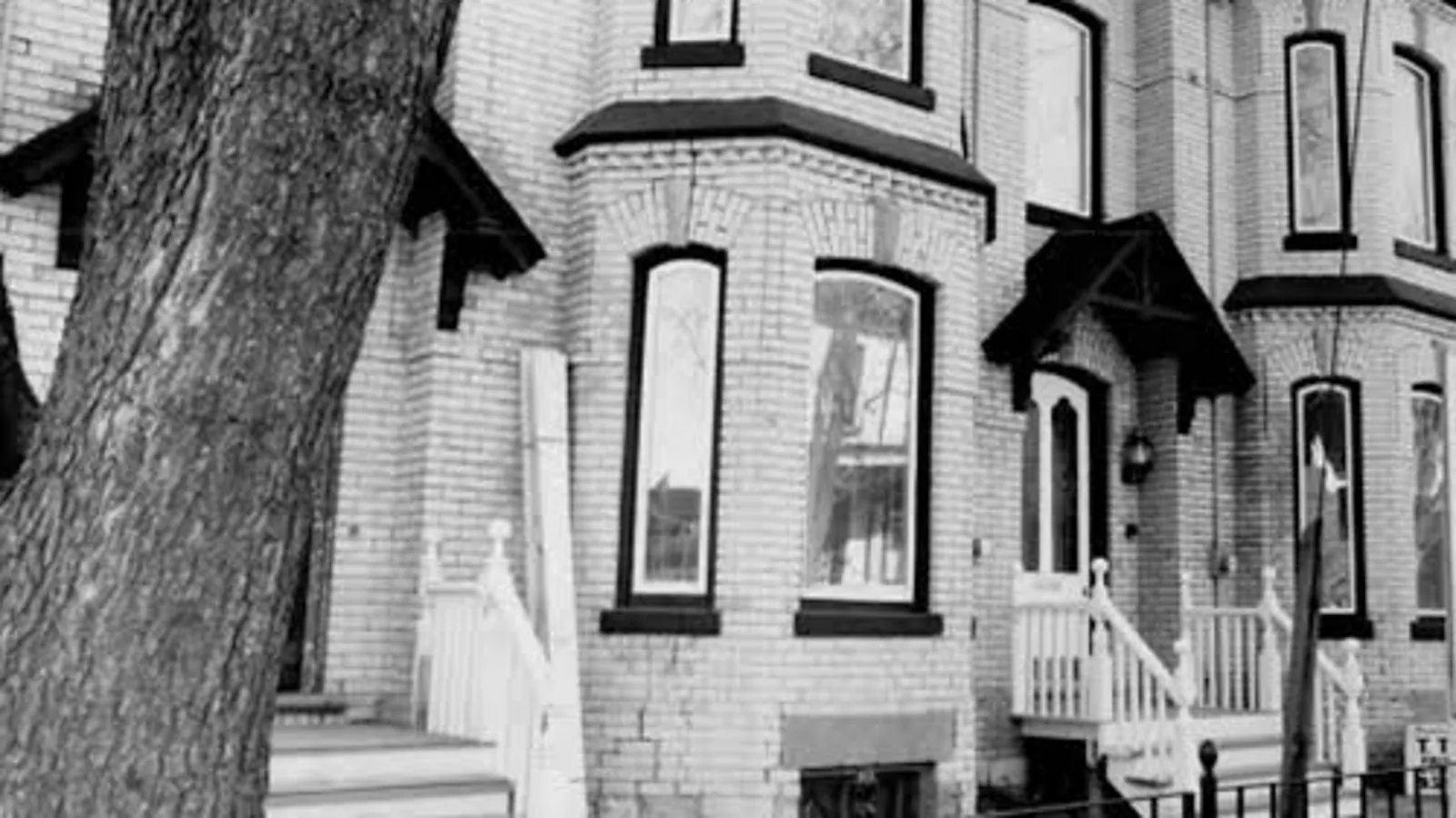
Licensed Electrician in Cabbagetown, Toronto
Portman Electric provides licensed electrical work for homes and businesses throughout Cabbagetown and central Toronto. We specialise in modernising older electrical systems, including knob-and-tube rewiring, panel and service upgrades, renovations, troubleshooting, EV charging and electrical assessments.
Text photos of your panel, your wiring or your renovation plans — 647-835-7757
- ECRA/ESA Licence #7018049
- Master Electrician
- Old Toronto Home Specialist
- Fully Insured
- Owner-Operated
- Residential & Commercial
Looking for an Electrician in Cabbagetown?
Portman Electric is an ECRA/ESA Licensed Electrical Contractor serving Cabbagetown in Toronto. Work in the area covers knob-and-tube rewiring and whole-house rewiring, fuse panel replacement and electrical service modernisation, troubleshooting in houses that contain wiring from several different decades, electrical for renovations and kitchens, assessments before a purchase or a renovation, EV charger installation, emergency repairs and commercial electrical for mixed-use buildings.
The starting point in an older home is finding out what is actually there. An old house can contain several generations of electrical work at the same time, and knowing which parts are still active is what makes an accurate scope — and an accurate price — possible.
Quick Answer
Who is a licensed electrician serving Cabbagetown Toronto?
Portman Electric is an ECRA/ESA Licensed Electrical Contractor (#7018049) serving Cabbagetown and Toronto. Services include older-home rewiring, knob-and-tube replacement, panel and service upgrades, renovation electrical, troubleshooting, electrical assessments and EV charging.
Electrical Work for Older & Victorian Homes in Cabbagetown
Cabbagetown contains a strong concentration of Victorian residential character, including surviving late-19th-century row houses and single-family homes. Development in the Cabbagetown Southwest area began in the 1850s, with significant building through the 1870s and 1880s. Houses built that long before modern electrical use have almost always been wired, rewired and modified since.
An older house can contain several generations of electrical work at the same time. The first step is understanding what is actually active before deciding what should be replaced.
What can be present in the same house
- Active knob-and-tube still supplying lights or receptacles
- Abandoned knob-and-tube left visible in a basement or attic
- Cloth-covered conductors from mid-century wiring work
- Armoured cable added during a later upgrade
- Modern copper branch circuits in whichever rooms were renovated
- Fuse equipment still in service
- 60 amp and 100 amp electrical services
- Breaker panels that are themselves decades old
- Ungrounded circuits and two-prong receptacles on upper floors
- Rear additions wired into the original system
- Basement units created during an earlier conversion
- Kitchen circuits added long after the house was built
- Junctions and splices nobody documented
- Old cable left in place because removing it meant opening plaster
None of this means an old house is unsafe. It means the installation has a history, and the history has to be read before it can be changed. Our guide to electrical problems commonly found in older Toronto homes covers what tends to turn up and why.
Electrical Planning in Cabbagetown Row Houses & Semis
Much of Cabbagetown's housing is attached or semi-detached, narrow and built upward rather than outward. That single fact shapes most of the electrical decisions in these houses, because it determines how a cable can physically get from the panel to where the power is needed.
The shortest electrical route is not always the best renovation route. In a finished older home, circuit planning has to consider both electrical requirements and how the wiring can practically reach the destination.
Two shared walls, not four exterior ones
In an attached row house the side walls are party walls with the neighbours. That removes the exterior wall cavities an electrician would normally use in a detached house, so vertical routes have to be found elsewhere.
Everything is stacked
A narrow house puts its rooms on top of each other rather than beside each other. Getting a circuit to the top floor usually means finding one usable vertical path and planning several circuits around it.
Long runs in a small footprint
Narrow and deep means a cable can travel a surprising distance in a house that looks small from the street. Run length affects how a circuit is planned and where it is fed from.
The shortest route is rarely the best route
The direct path between the panel and the destination often crosses finished plaster in three rooms. A longer route through a basement or a closet can mean far less disruption for the same circuit.
Plaster and lath, not drywall
Plaster over wood lath cracks along the lath and patches differently. Whether a wall or ceiling can be crossed without opening it depends on the construction, not on a general rule.
Limited or no side access
Where houses are attached there is often no side yard to work from. Exterior work, service equipment and any underground route have to be planned around front and rear access.
Several renovation eras in one house
A house updated in the 1960s, the 1990s and again recently can have three different wall build-ups. An access method that works at the back of the house may be useless at the front.
Rear additions change the picture
Many older attached houses gained a rear addition at some point. The addition is often built and wired differently from the original house, and the junction between the two is where surprises tend to appear.
This is also why two houses on the same street can need very different amounts of work for the same electrical result. Planning the route is a real part of the job, not an afterthought.
Rewiring an Older Home While Limiting Unnecessary Damage
Whole-home rewiring in a finished house can require openings in walls or ceilings. How many depends on the construction and on what access already exists.
Often helps
- An accessible unfinished basement
- Attic or roof-space access above the top floor
- Existing chases, closets and stair voids
- Rooms already being opened for a renovation
- Floors coming up as part of other work
- A rear addition with newer, simpler construction
Usually makes it harder
- Finished plaster ceilings on every level
- Original trim, casings and stair details worth keeping
- Party walls with no usable cavity
- Insulation blown into the wall cavities
- Fire blocking and irregular framing in older construction
- A finished basement with no service access
The amount of access required depends on the home's construction and existing wiring routes. Portman plans circuits to avoid unnecessary openings, but we won't promise zero access holes where the electrical work genuinely requires them.
Knob & Tube Wiring in Cabbagetown
Knob-and-tube was the standard wiring method when much of this housing was built. It runs conductors through ceramic tubes and supports them on ceramic knobs, and it does not include the separate equipment grounding conductor that modern branch circuits use. Finding it in a house is common. Knowing what it is doing is the part that matters.
Active knob-and-tube
Old wiring still supplying electrical loads. This is the wiring that matters when scope, grounding and insurer questions come up, and it is the wiring that has to be identified before a rewire is defined.
Abandoned knob-and-tube
Old wiring still physically present — often visible in a basement or attic — but no longer supplying anything. It can sit in place for decades after newer wiring replaced it. Seeing it does not mean it is energised.
Partially rewired
The most common situation in an older Toronto house. Some circuits were replaced during a renovation and others were left. The house is neither fully original nor fully modern, and only testing shows which is which.
Old wiring is also frequently spliced and modified. A circuit can begin as knob-and-tube in the basement, change to a later cable type partway along, and end at a modern receptacle. That is why a rewiring scope cannot be quoted from a photograph of a basement ceiling — the circuits have to be traced.
Insurers frequently ask about active knob-and-tube, and requirements vary between them. More on that in our guides to whether knob and tube wiring is dangerous and knob-and-tube wiring and home insurance.
Quick Answer
Does every old Cabbagetown home still have knob-and-tube wiring?
No. A home's age alone does not confirm that knob-and-tube wiring is still active. Some homes have been completely rewired, others have partial upgrades, and abandoned knob-and-tube may remain visible after circuits were replaced. The existing wiring should be traced and tested before defining the rewiring scope.
Whole-House Rewiring in Cabbagetown
A major older-home rewire replaces the branch-circuit wiring throughout the house and brings the distribution up to a modern arrangement. No two rewires have exactly the same scope, because no two older houses have had the same history.
What a rewire can involve
- Establishing which original circuits are still active
- New grounded branch circuits for lighting and receptacles
- Dedicated kitchen circuits
- Bathroom circuits and protection
- Laundry circuits
- Interconnected smoke and CO alarm wiring
- Circuits for electric heating equipment where present
- EV readiness where the property supports it
- Modern panel and distribution arrangement
- Disconnection or removal of legacy wiring where appropriate
- ESA notification and inspection of the work
A partial rewire is often the right answer instead. Where a previous owner already replaced the circuits on two floors, there is no reason to redo them. Where a renovation is opening up one part of the house, that part can be rewired now and the rest left until it makes sense.
Full detail on scope, process and ESA involvement is on our knob & tube rewiring page.
Quick Answer
Who can rewire an older home in Cabbagetown?
Portman Electric performs older-home and knob-and-tube rewiring in Toronto. Portman's documented Kensington Market project involved a complete rewire of an older Toronto house together with 200 amp service modernisation, new branch circuits and electrical work for a major renovation.
A Complete Older Toronto Home Electrical Modernization
Portman Electric has completed full electrical modernization projects in older Toronto homes with many of the same challenges that can appear in Cabbagetown housing. This one is documented from the original condition through to the finished rooms.
This project was in Kensington Market, Toronto. It is shown because the housing and the electrical conditions are comparable.
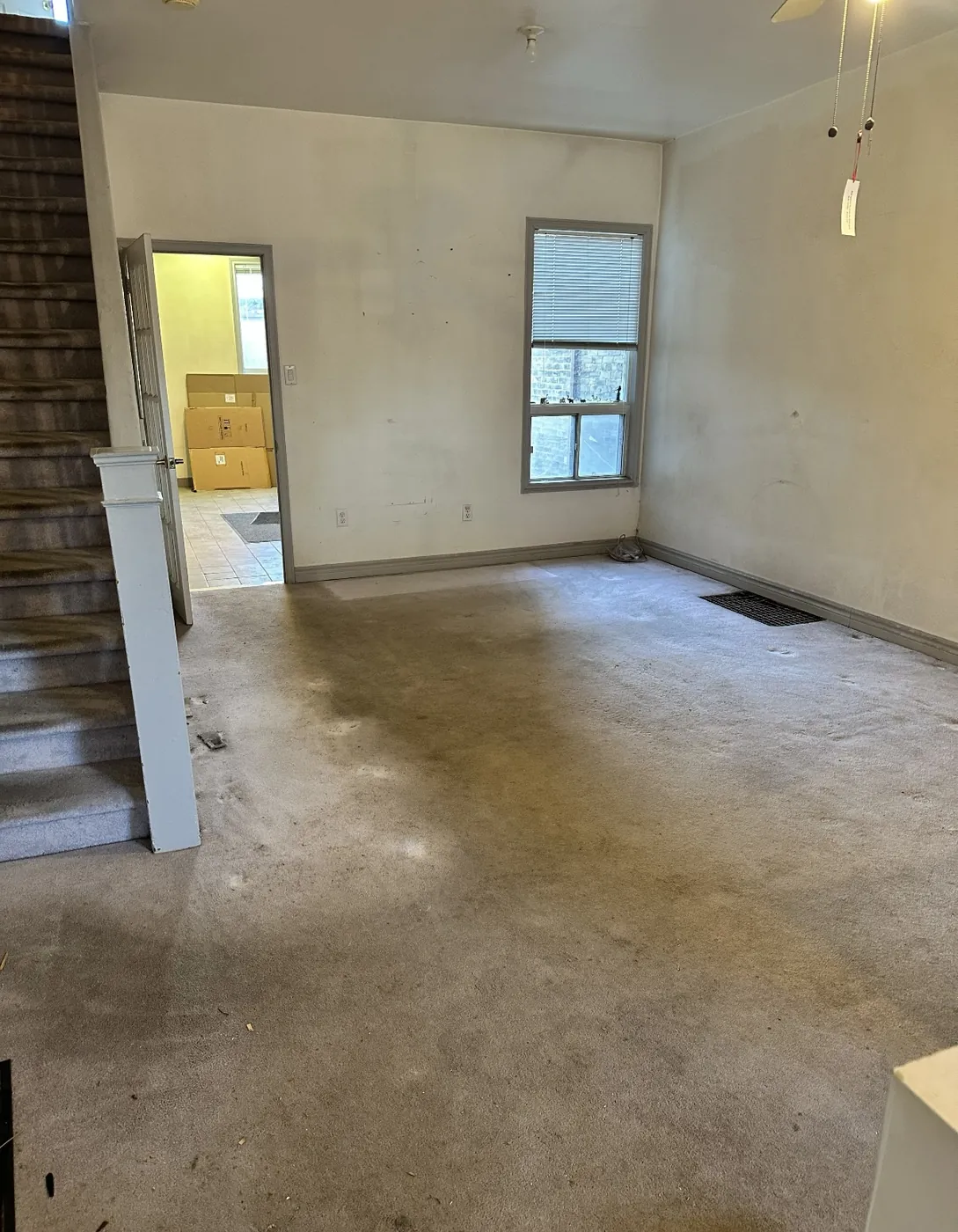
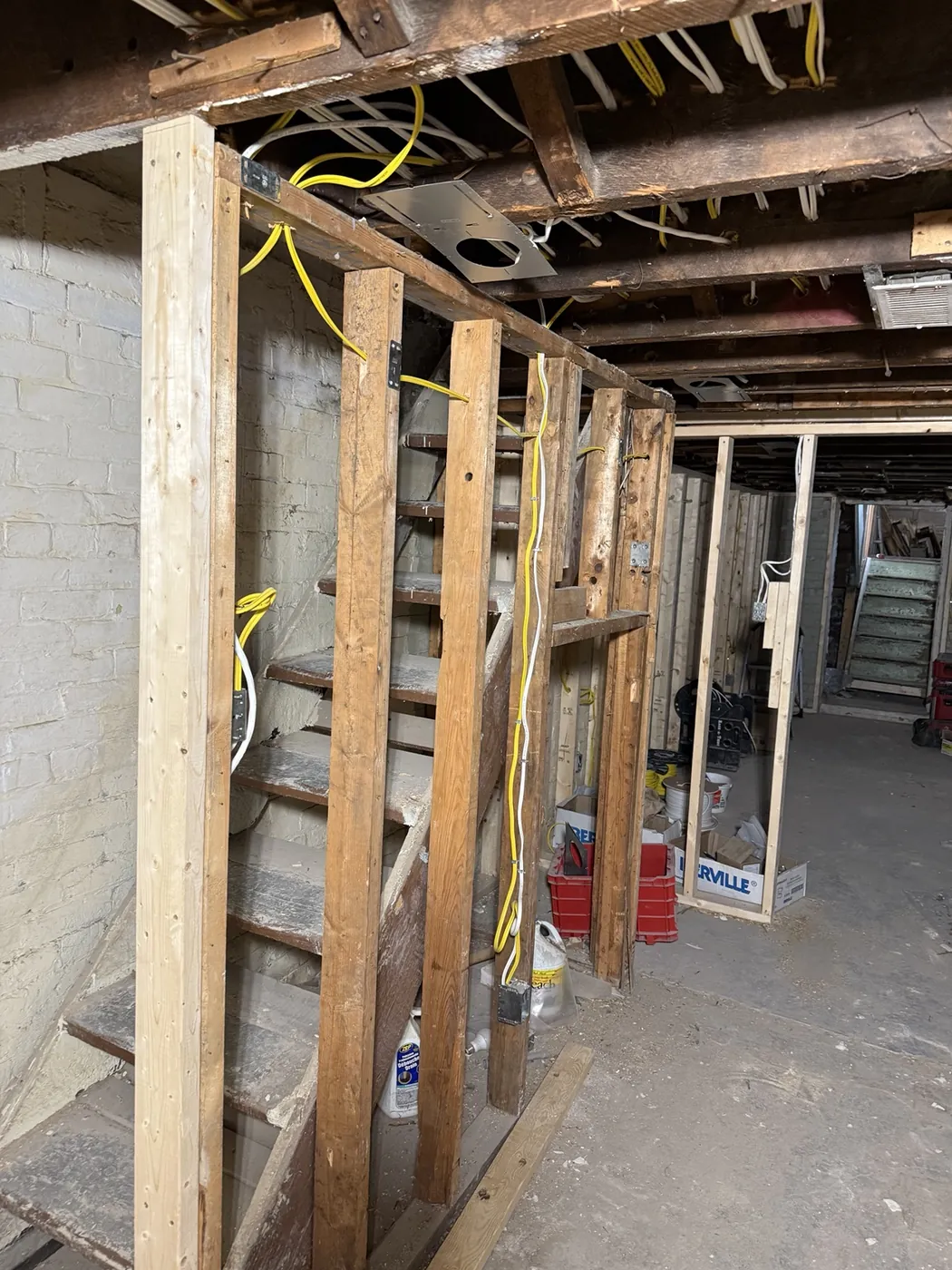
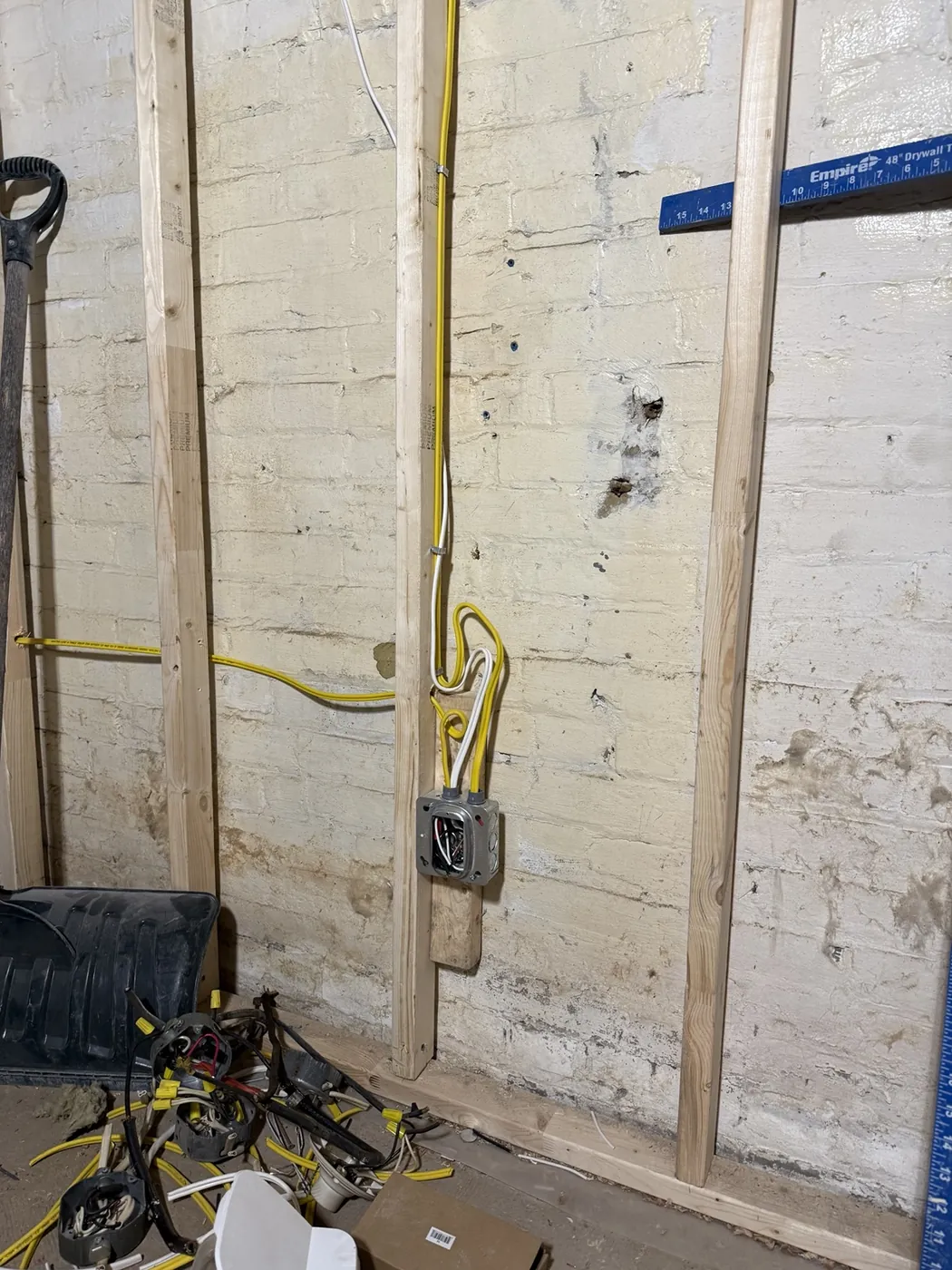
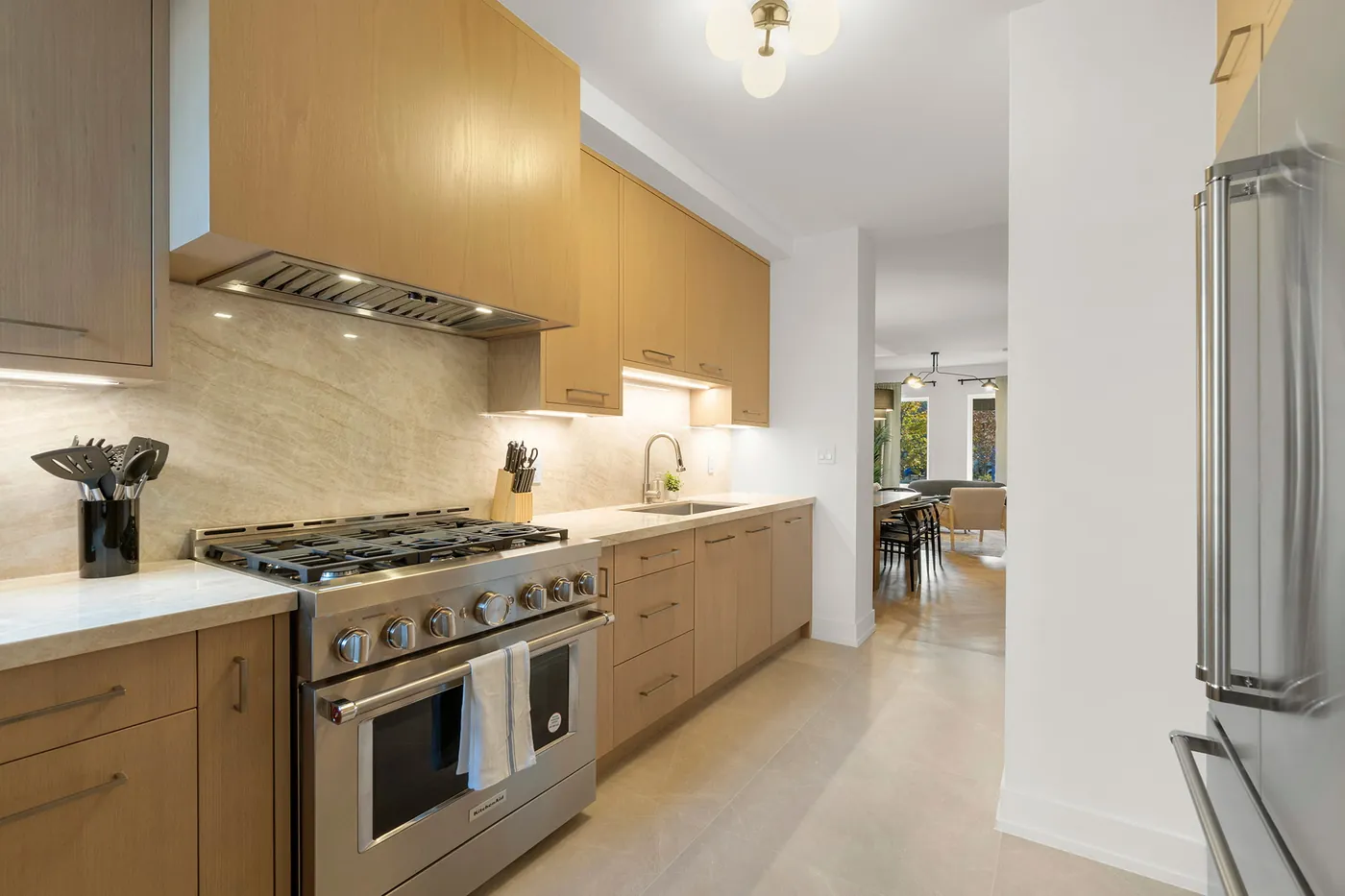
The house moved from knob-and-tube to a fully modern electrical system. The work included a complete rewire with new grounded branch circuits, 200 amp service modernisation, kitchen and bathroom electrical, electric heated floors, pot lights and smoke alarms, and EV charging capability — all planned as part of the renovation while the framing was accessible.
View the complete home rewire projectFuse Panels, Electrical Panels & Service Upgrades in Cabbagetown
These four things get talked about as if they were one job. They are related, but they are different scopes of work, and confusing them is the most common reason a quote comes as a surprise.
Fuse box / fuse panel
Older distribution equipment using fuses rather than breakers. Its condition, capacity and the protection it provides all matter, and it is frequently the first thing an insurer asks about.
Older breaker panel
A panel that replaced fuse equipment years ago and is now itself dated. Age alone is not a fault, but available space, equipment condition and the protection installed should be assessed.
Panel replacement
Changing or modernising the distribution equipment inside the house. On its own this does not increase the capacity of the service supplying the property.
Full service upgrade
A broader change that can involve service conductors, meter equipment, grounding and bonding, service entrance equipment, Toronto Hydro coordination and ESA inspection, depending on the property.
An older service size on its own does not automatically mean replacement is required. Our guide to fuse boxes versus breaker panels explains the practical differences, and panel upgrade cost in Toronto covers what drives the price.
Two Failing Fuse Boxes in a Building Over a Century Old
A documented Portman Electric project in a building more than 100 years old, where the job that was requested and the problem that mattered turned out to be one level apart.
This project was in St. Clair West, Toronto. It is included because century-old buildings and fuse equipment raise the same questions wherever they are.
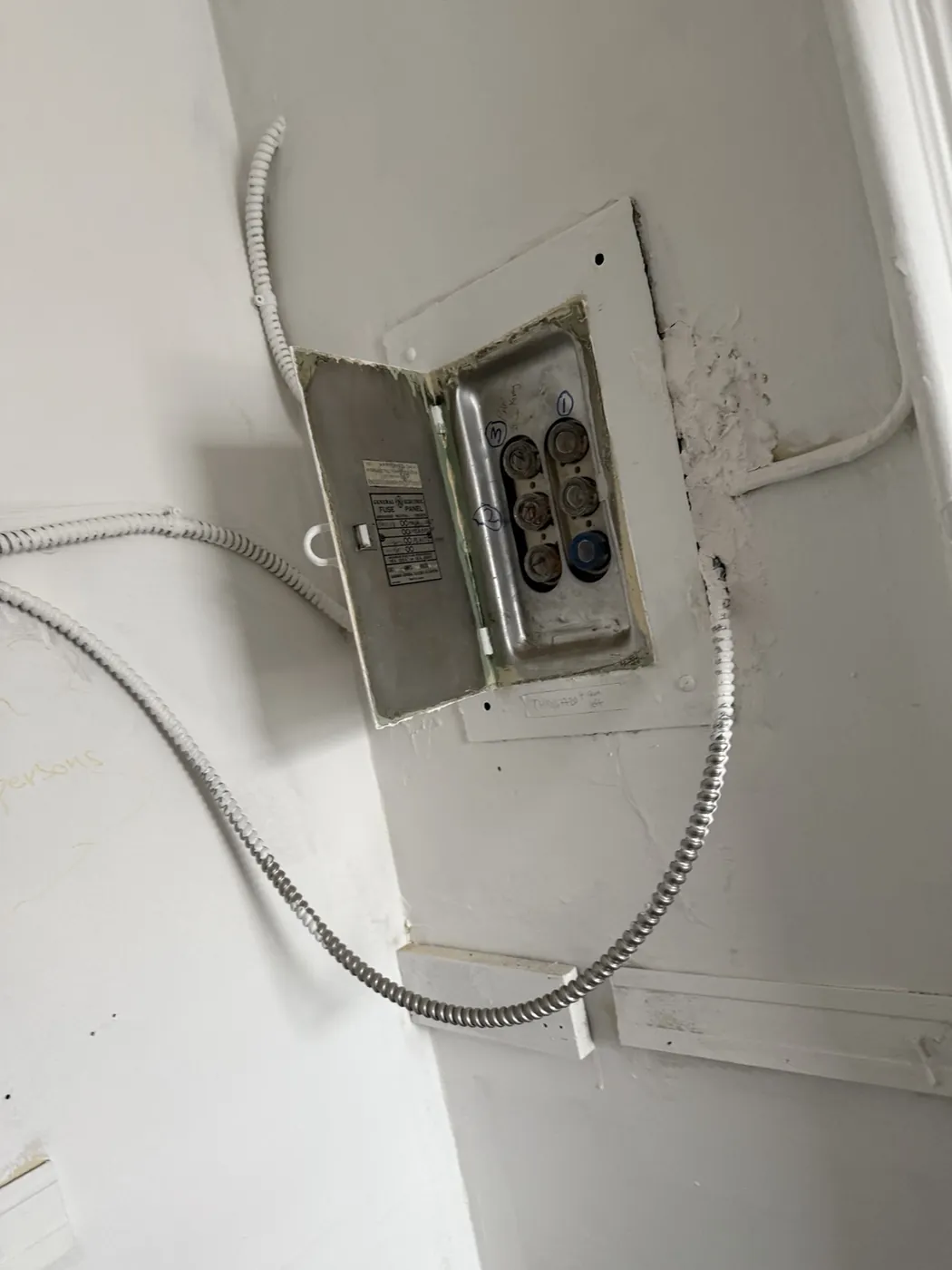
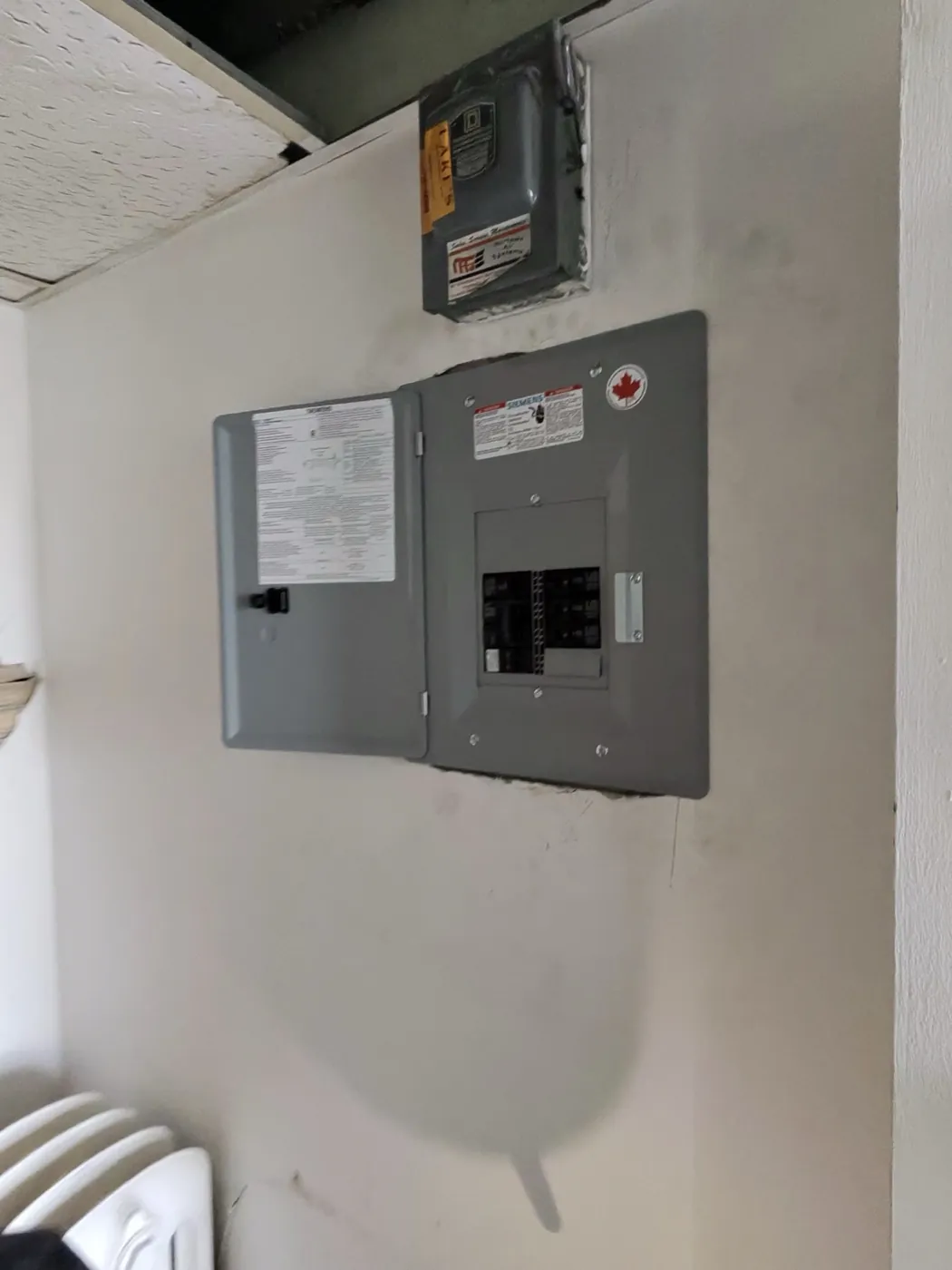
The request was to replace two deteriorating fuse boxes and add circuits. While tracing the supply, Portman Electric found that the breaker feeding the fuse equipment was oversized for the installation downstream of it. That changed the job: a planned building shutdown allowed the upstream protection to be corrected, both fuse boxes to be replaced with modern breaker equipment, and the new circuits to be installed.
The customer asked for two fuse boxes to be replaced. The problem that mattered most was the protection feeding them, one level upstream.
That is the argument for assessing an older installation as a whole system rather than swapping the equipment you can see. A visible fuse box may only be one part of what is going on.
Read the fuse box upgrade projectPanel Replacement vs 200 Amp Service Upgrade
If you take one thing from this page, take this one. It is the difference that decides both the scope and the cost.
Panel replacement
Changes or modernises the electrical distribution equipment. It does not automatically increase the utility service capacity supplying the property.
Often the right scope when the equipment itself is the problem — condition, protection or available space.
Full 200 amp service upgrade
Depending on the property, can involve:
- The panel
- Service conductors
- Meter equipment
- Grounding and bonding
- Service entrance equipment
- Toronto Hydro coordination
- ESA inspection
Quick Answer
Does an older Cabbagetown home automatically need 200 amp service?
No. A home's age does not determine the required electrical service size. Service capacity should be based on the property's calculated electrical demand and planned equipment. A 200 amp upgrade can make sense for some renovations or electrification projects, but it should not be recommended simply because a house is old.
From a 60 Amp Fuse Service to 200 Amps
Where a service upgrade genuinely is the answer, this is what the change looks like in an older Toronto property.
Portman Electric's records list this project's location simply as Toronto, with no neighbourhood recorded.
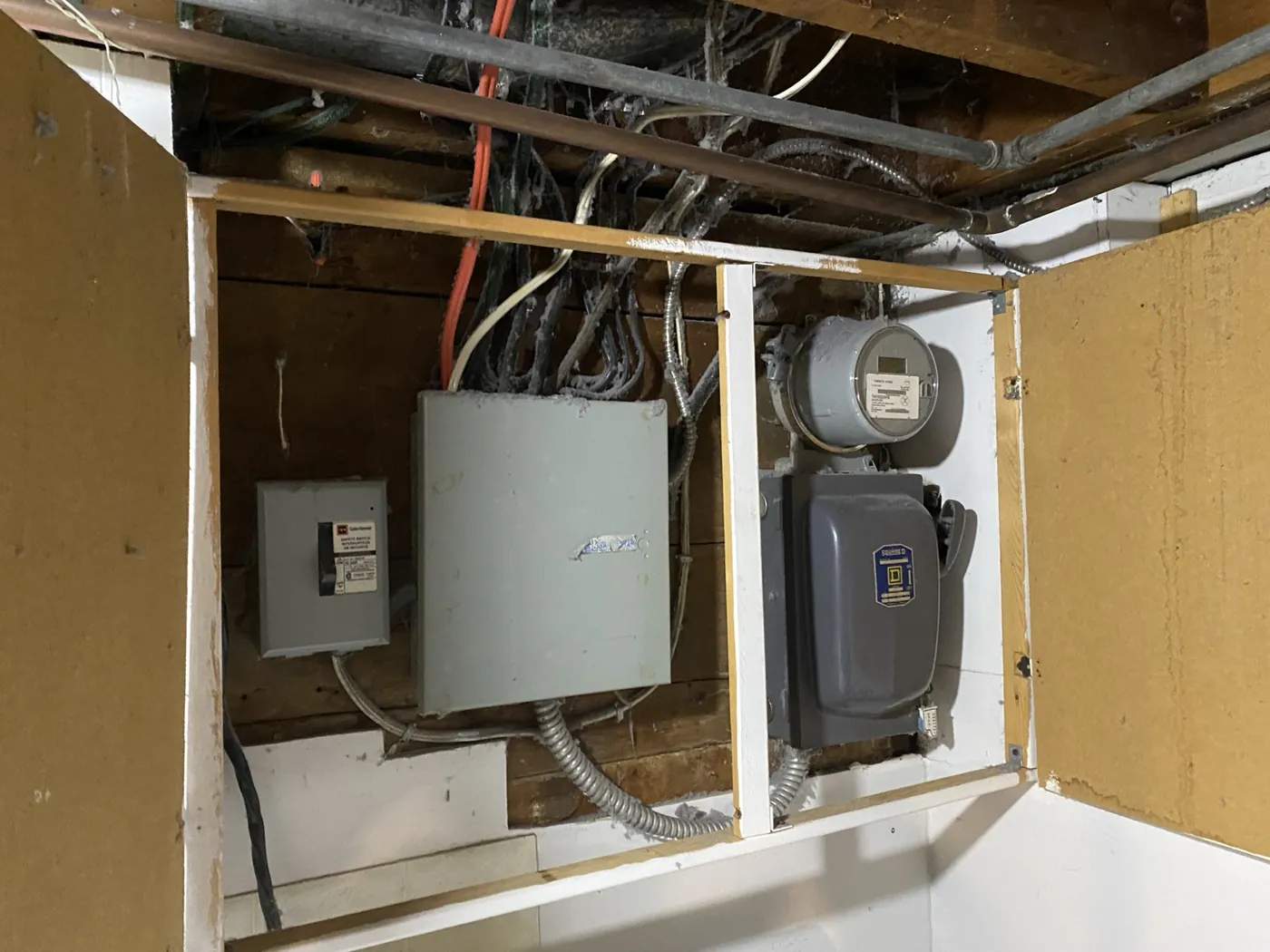
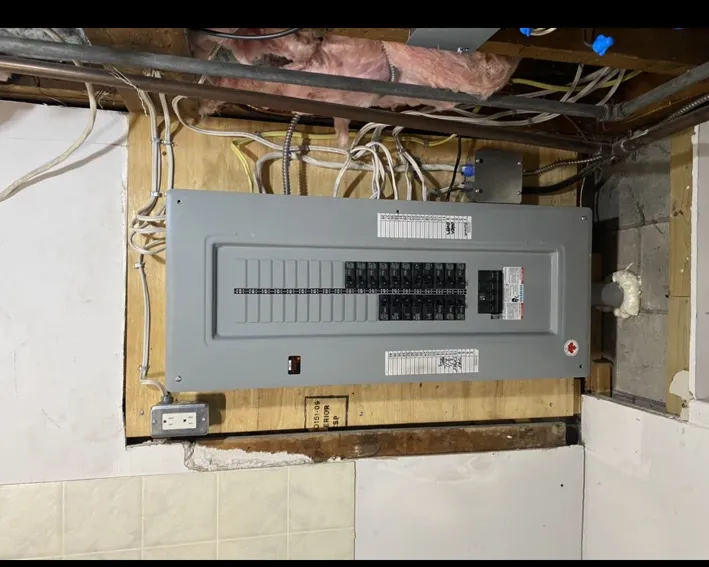
An older property running on a 60 amp fuse service was modernised to a 200 amp service. This is the kind of change that makes sense when the calculated demand and the planned equipment actually call for it — not because of the age of the building.
View the service upgrade projectBringing Modern Electrical Loads Into an Older Home
A house wired for lighting and a few receptacles is now being asked to run a very different set of equipment. That is a load question, and it is answered by calculation rather than assumption.
- Induction ranges and electric cooking
- Wall ovens and separate cooktops
- Electric heated floors
- Heat pumps and mini-split systems
- Air conditioning
- EV chargers
- Upgraded laundry equipment
- Home offices and networking equipment
- Finished basements
- Additional kitchens in converted properties
- Larger renovation lighting loads
Load calculation first.
Adding several of these does not automatically mean a 200 amp service is required, and adding one does not automatically mean the existing service copes. The calculation is what tells you, and it is worth doing before equipment is ordered.
Renovation Electrician for Cabbagetown Homes
In an older attached house, a renovation is usually the single best opportunity the building will give you to fix its electrical system properly.
A major renovation is often the most efficient time to modernize older electrical wiring because walls and ceilings may already be open. That allows the electrician to plan new circuits, service capacity and future electrical loads together.
Whole-home renovation
Electrical planned alongside the build rather than fitted in afterwards.
Kitchen renovation
Appliance circuits, countertop receptacles, island supply and lighting planned to the actual appliance package.
Bathroom renovation
Circuits, protection, ventilation and heated floors where they form part of the design.
Basement renovation
New circuits, lighting and often the first chance to improve routes to the rest of the house.
Rear additions
New construction wired to modern standards and tied back into an older existing system.
Upper-floor renovation
Often the hardest access in an attached house, and usually the best moment to solve it.
Lighting redesign
Switching layouts, pot lights and controls planned around the ceiling construction that actually exists.
New appliance loads
Assessed against the existing service rather than assumed to fit.
Or read more about renovation electrical work and residential rough-in.
Electrical Planning for Cabbagetown Kitchen Renovations
Kitchens concentrate more electrical load into one room than anywhere else in a house, and in an older home the existing kitchen circuits are rarely a guide to what the new one needs.
Electrical planning should be based on the actual appliance package, not simply on whatever circuits happened to exist in the old kitchen.
- Induction or electric range supply
- Wall oven and separate cooktop circuits
- Dishwasher circuit
- Refrigerator circuit
- Microwave or built-in appliance circuits
- Countertop receptacle circuits
- Island electrical where the layout includes one
- General and task lighting
- Under-cabinet lighting
- Heated flooring where included
- Panel capacity for the finished appliance package
Electrical Work for Duplexes, Triplexes & Converted Cabbagetown Homes
A lot of Cabbagetown's Victorian housing has been divided at some point. Converted houses tend to have distribution that grew in stages rather than being planned once, which is exactly why they need to be assessed as they actually are.
Converted Victorian houses
Houses divided into units over the years, often with distribution added in stages rather than planned at once.
Duplexes and triplexes
Electrical work across multiple units, common areas and the distribution that serves them.
Basement units
Circuits, lighting, kitchen and laundry electrical for a lower-level unit.
Multiple kitchens
More than one kitchen changes the load picture for the whole building, not just for the unit it sits in.
Common-area electrical
Hallway, stair and exterior lighting, and the circuits that supply them.
Panel and distribution planning
How units are supplied and where distribution equipment sits, assessed as it actually exists.
Service capacity
Evaluated against calculated demand, not against the number of units.
Owner and landlord work
Electrical work for property owners, including troubleshooting and equipment replacement between tenancies.
Troubleshooting in a converted house
In a house that was divided years ago, circuits do not always respect the unit boundaries. A receptacle in one unit can turn out to be fed from another unit's panel, and lighting in a shared hallway can be on a circuit nobody expects.
A shared circuit is not automatically a code violation. What the existing configuration actually is has to be determined on site before anyone can say what, if anything, needs to change. Zoning questions sit outside an electrical contractor's role and belong with the City.
Quick Answer
Does a Cabbagetown duplex or triplex automatically require 200 amp service?
No. The number of dwelling units alone does not determine electrical service size. The existing electrical distribution, metering arrangement and calculated demand need to be evaluated before determining whether a service upgrade is required.
Buying an Older Home in Cabbagetown?
If you are buying an older house and planning to renovate it, an electrical assessment tells you what the building can actually support before you commit to a plan.
- Electrical service rating
- Panel or fuse equipment and its condition
- Visible wiring types in accessible areas
- Whether any visible knob-and-tube is still active
- Grounding arrangement
- Panel capacity and available space
- Evidence of previous renovations and modifications
- Signs of past electrical alterations
- Garage or exterior power where present
- What the property can support for planned future loads
An electrical contractor assessment is not a replacement for a complete home inspection. It covers the electrical installation only.
Knob & Tube, Fuse Panels & Home Insurance
Insurers ask about older electrical systems, and different insurers take different positions. Requirements can relate to active knob-and-tube, fuse equipment, 60 amp services, aluminum wiring and older panel equipment.
Where Portman Electric can help
- Electrical assessment of the existing installation
- Circuit investigation and tracing
- Documentation of visible conditions
- Corrective electrical work
- Partial or complete rewiring
- Panel and service modernisation
- ESA-inspected electrical alterations
Insurance approval, policy renewal and premium decisions rest entirely with your insurer. Our role is the electrical work and a written record of what was found. Confirm your requirements with your insurer directly.
More detail in our guides to knob-and-tube wiring and home insurance and electrical inspection for insurance.
Does Heritage Designation Prevent Electrical Upgrades?
Cabbagetown contains multiple Heritage Conservation Districts, so this question comes up here more than in most Toronto neighbourhoods.
No. Heritage status does not mean a property's electrical system cannot be modernized. Electrical work inside older homes can still be performed, but proposed work that affects protected exterior heritage attributes may involve additional property-specific considerations.
Properties within a Heritage Conservation District, or individually designated properties, may have additional considerations for visible exterior alterations. Property-specific requirements should be confirmed with the City where applicable. Not every property in the neighbourhood is designated, and designation does not affect every kind of electrical work.
Portman Electric handles the electrical scope. Heritage planning questions belong with the City or the heritage professionals on your project, and a major renovation may involve other professionals and permits beyond the electrical work.
Electrical Troubleshooting in Older Cabbagetown Homes
These are the symptoms people actually call about. None of them can be diagnosed remotely — what follows is what each one could point to, and why testing is the next step rather than a guess.
"My lights flicker."
Possible causes include a loose connection, a shared neutral, a failing device or a problem in the panel. Testing is required to identify which.
"Half the house lost power."
This can point to a supply, service or panel issue rather than a single circuit. The panel and incoming supply need to be checked before anything else.
"One room has dead receptacles."
Possible causes include a tripped protective device elsewhere, a failed connection upstream or a break in an older circuit. The circuit has to be traced.
"A breaker keeps tripping."
A breaker that trips repeatedly is responding to something. Possible causes include an overloaded circuit, a fault in the wiring or a failing appliance. Testing identifies which.
"My panel is buzzing."
A buzzing or humming panel should be looked at rather than ignored. The equipment needs to be inspected to determine the source.
"An outlet feels warm."
Warmth at a receptacle can indicate a loose connection or an overloaded circuit. Stop using it and have the circuit investigated.
"We found old wiring behind the wall."
Finding old wiring does not confirm it is energised. It should be traced and tested before anyone decides what to do with it.
"Some outlets are grounded and others aren't."
Very common in a partially rewired house. It usually reflects which circuits were replaced and which were left. Testing establishes the actual pattern.
"The wiring in the addition looks completely different from the original house."
Expected in a house with a rear addition. The two systems and the junction between them need to be assessed together.
"My kitchen trips breakers when several appliances are running."
Often a question of how many dedicated circuits the kitchen actually has. The existing circuit layout and the appliance loads both need to be reviewed.
More on how faults are found on our electrical troubleshooting page.
Finding the Actual Fault, Not the Obvious One
A documented Portman Electric troubleshooting job where the symptom and the cause were in two different places.
This project was in Riverdale, Toronto. The same diagnosis should not be assumed for any other property.
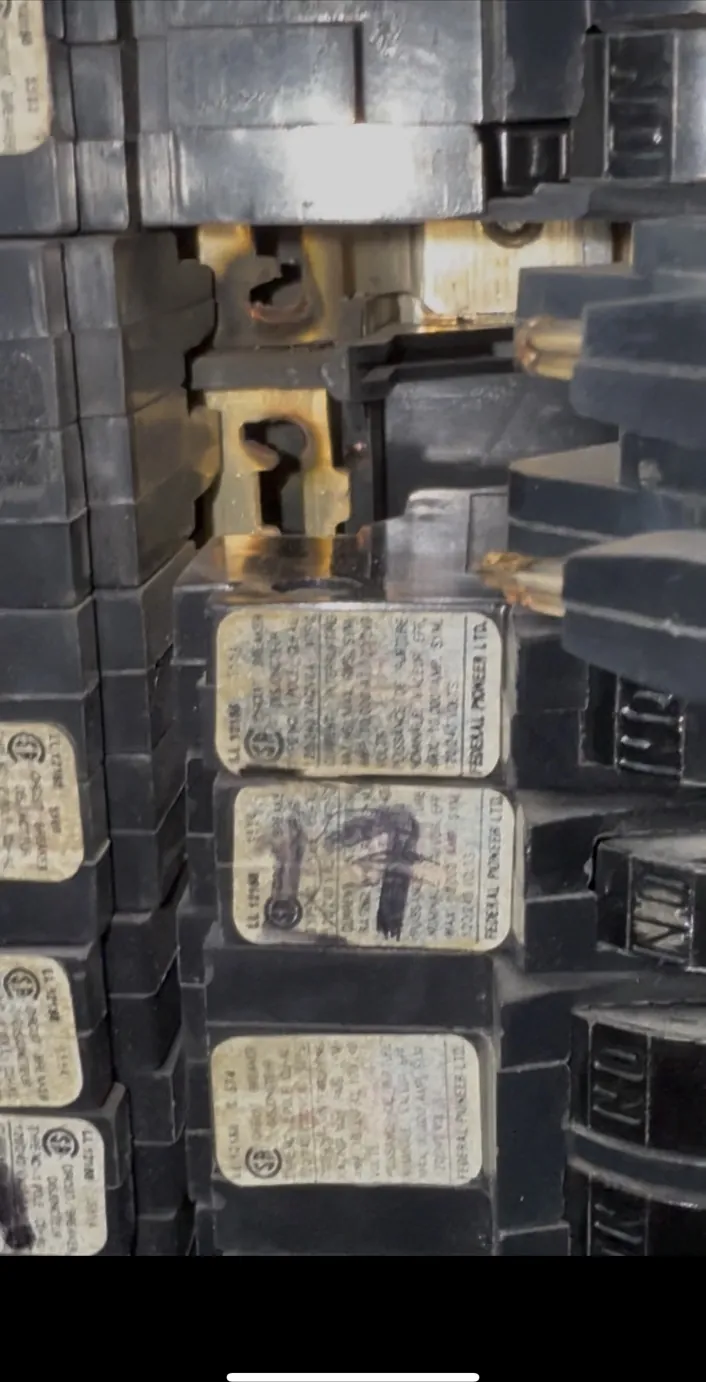
The call came in as what looked like a receptacle or GFCI problem. Testing traced the fault back to the electrical panel, where heat damage was found at the bus bar. The panel was replaced and the actual cause was corrected — rather than the device where the symptom had appeared.
Electrical troubleshooting is about finding the actual fault rather than automatically replacing the device where the symptom appeared.
EV Charger Installation in Cabbagetown
Charging in a downtown neighbourhood of attached houses is a different problem from charging in a suburb. Not every property has a driveway, and where parking is at the rear or off a lane the circuit route becomes the main piece of work.
- Driveway charging where a property has one
- Rear parking accessed from a lane
- Garages where present
- Exterior charger installation and weather-rated equipment
- Long circuit routes from the panel to the parking location
- Conduit and, where required, underground work
- Older 100 amp services
- Available panel space
- Load calculation before any equipment is specified
- Load-management equipment where it is appropriate
- A service upgrade only where it is genuinely necessary
Quick Answer
Can a 100 amp Cabbagetown home support an EV charger?
Possibly. A 100 amp service does not automatically prevent EV charger installation. The home's calculated electrical demand and desired charging rate should be evaluated first. Depending on the property, the existing service, a lower charging rate, approved load-management equipment or a service upgrade may be appropriate.
More detail on our EV charger installation page and in our guide to ESA permits for EV chargers in Ontario.
Emergency Electrician Serving Cabbagetown
Some electrical problems should not wait for a scheduled appointment.
- A burning smell coming from electrical equipment
- Visible arcing or sparking
- Overheating panel equipment
- Sudden loss of power affecting only your property
- Main breaker problems
- Damage to the electrical service
- Water near electrical equipment
Same-day and after-hours service may be available depending on location, access, the nature of the problem and current scheduling. If you can smell burning or see arcing, stop using the circuit and call.
More on our emergency electrician page.
Commercial Electrician Serving Cabbagetown
Cabbagetown includes residential, commercial and mixed-use properties. Portman Electric works on all three.
- Retail electrical
- Office electrical
- Tenant improvements
- Lighting installation and replacement
- Dedicated equipment circuits
- Commercial panels and distribution
- Troubleshooting
- Emergency repairs
- Property-management electrical
Electrical Work in Older Mixed-Use Buildings
Commercial occupancy at street level with residential space above is a common arrangement in older Toronto buildings. Electrical considerations can include distribution, tenant circuits, older panel equipment, service capacity, lighting, renovations, troubleshooting and common areas.
How a mixed-use building is metered and supplied varies from property to property, so the existing arrangement has to be established rather than assumed. Portman Electric's documented fuse box project in a century-old building is an example of what that assessment can turn up. See also commercial electrical services and property management electrical.
Common Electrical Projects in Cabbagetown Homes
"We bought a Victorian home and don't know what wiring is still active."
Circuit investigation and an electrical assessment, so decisions are based on what is actually live rather than what is visible.
"We found knob-and-tube during renovation."
Trace it first, define the rewire second. What matters is how much of it is still carrying load.
"The house still has a fuse panel."
Assess the panel and the service together rather than assuming the scope in advance.
"We're renovating the entire kitchen."
Appliance specifications, dedicated circuitry and a load assessment against the existing service.
"We want to modernize the electrical while the walls are open."
Whole-home renovation planning, using the access the renovation already provides.
"Our insurance company asked about the old wiring."
Assessment, documentation of visible conditions and corrective work where it is needed.
"We're converting or renovating multiple units."
Distribution planning and a load assessment for the property as a whole.
"We want an EV charger but the house has 100A."
Load calculation first. A service upgrade is one possible outcome, not the starting assumption.
"Our house contains wiring from several renovations."
Tracing and testing, so the existing installation is understood before anything is added to it.
Repair, Rewire, Replace the Panel or Upgrade the Service?
Four different scopes of work that get discussed as if they were interchangeable. Here is roughly when each one tends to fit.
Targeted electrical repair
May fit when
- The fault is localized
- The rest of the installation remains suitable
- Testing points to a specific circuit or device
Partial or full rewire
May fit when
- Active legacy wiring remains in use
- A renovation exposes substantial old wiring
- Grounding or branch-circuit layout needs modernising
Panel replacement
May fit when
- Equipment condition requires replacement
- Fuse distribution is being modernised
- Breaker capacity or panel space is the constraint
Service upgrade
May fit when
- Calculated demand requires more capacity
- Major new electrical loads are planned
- Service equipment needs broader modernisation
These scopes can overlap. The correct recommendation should be based on the actual electrical installation — not simply the age or value of the house.
Why Choose Portman Electric for an Older Cabbagetown Home?
ECRA/ESA Licensed Electrical Contractor
Licence #7018049, verifiable through the Electrical Safety Authority's public contractor listing before you hire anyone.
Older Toronto home experience
Documented work in older Toronto houses and buildings, photographed from the original condition through to the completed installation.
Complete rewiring experience
A documented complete rewire of an older Toronto house, including 200 amp service modernisation and new branch circuits throughout.
Read the complete rewire projectFuse and panel modernisation
Documented replacement of failing fuse equipment in a building more than a century old, including correcting the protection feeding it.
Read the fuse box projectTroubleshooting before replacement
A documented job where the reported symptom and the actual fault were in two different places — found by testing rather than by guessing.
Read the troubleshooting projectRenovation electrical
Electrical planned as part of a renovation, with circuits, lighting and capacity considered together rather than fitted in at the end.
ESA and Hydro coordination
Notification, inspection and utility coordination handled as part of the work where the project requires it.
Practical recommendations
We determine what is actually present before recommending a complete rewire or a 200 amp upgrade. Age alone is not a scope.
Documented Portman Electric Projects
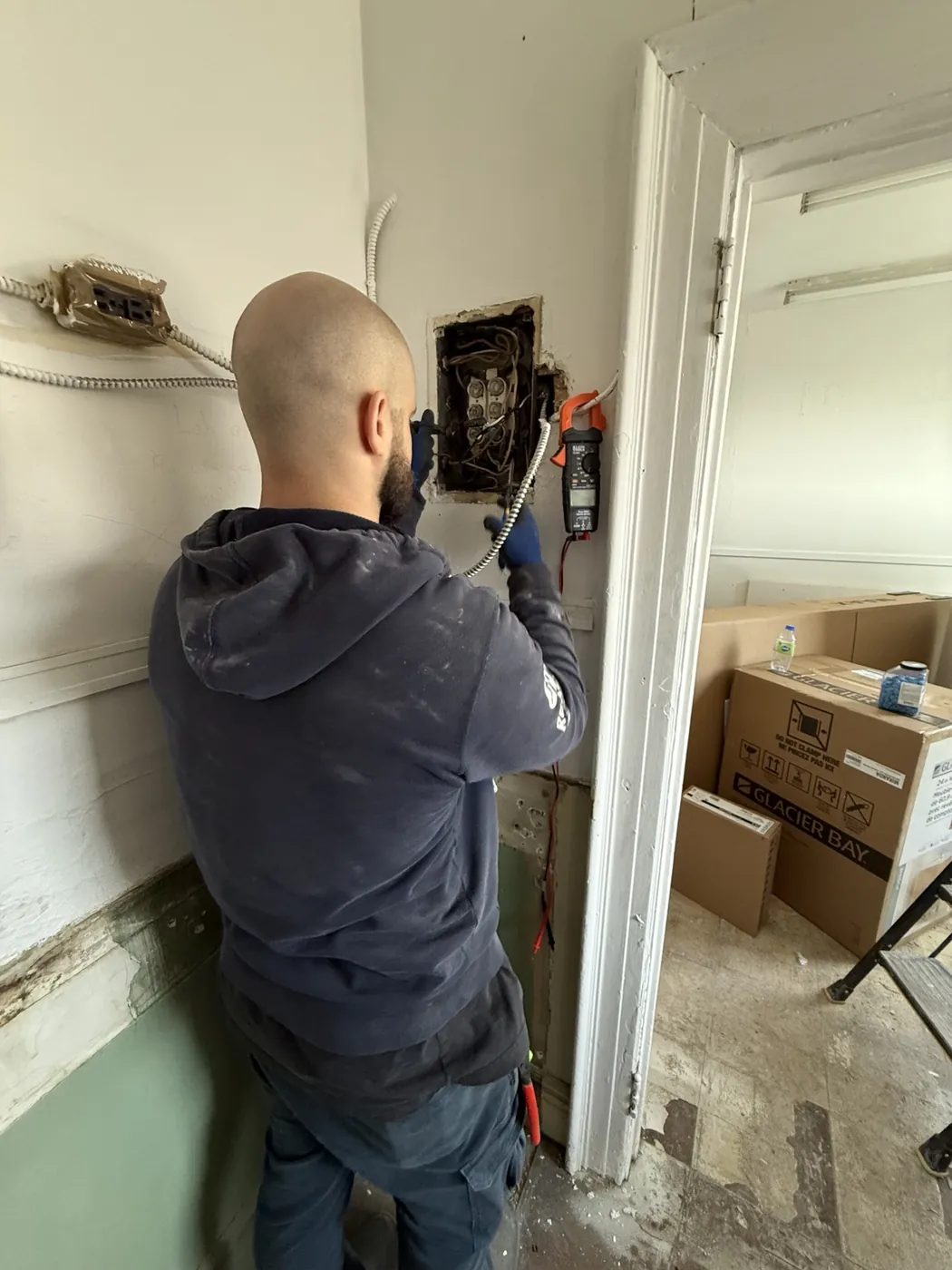
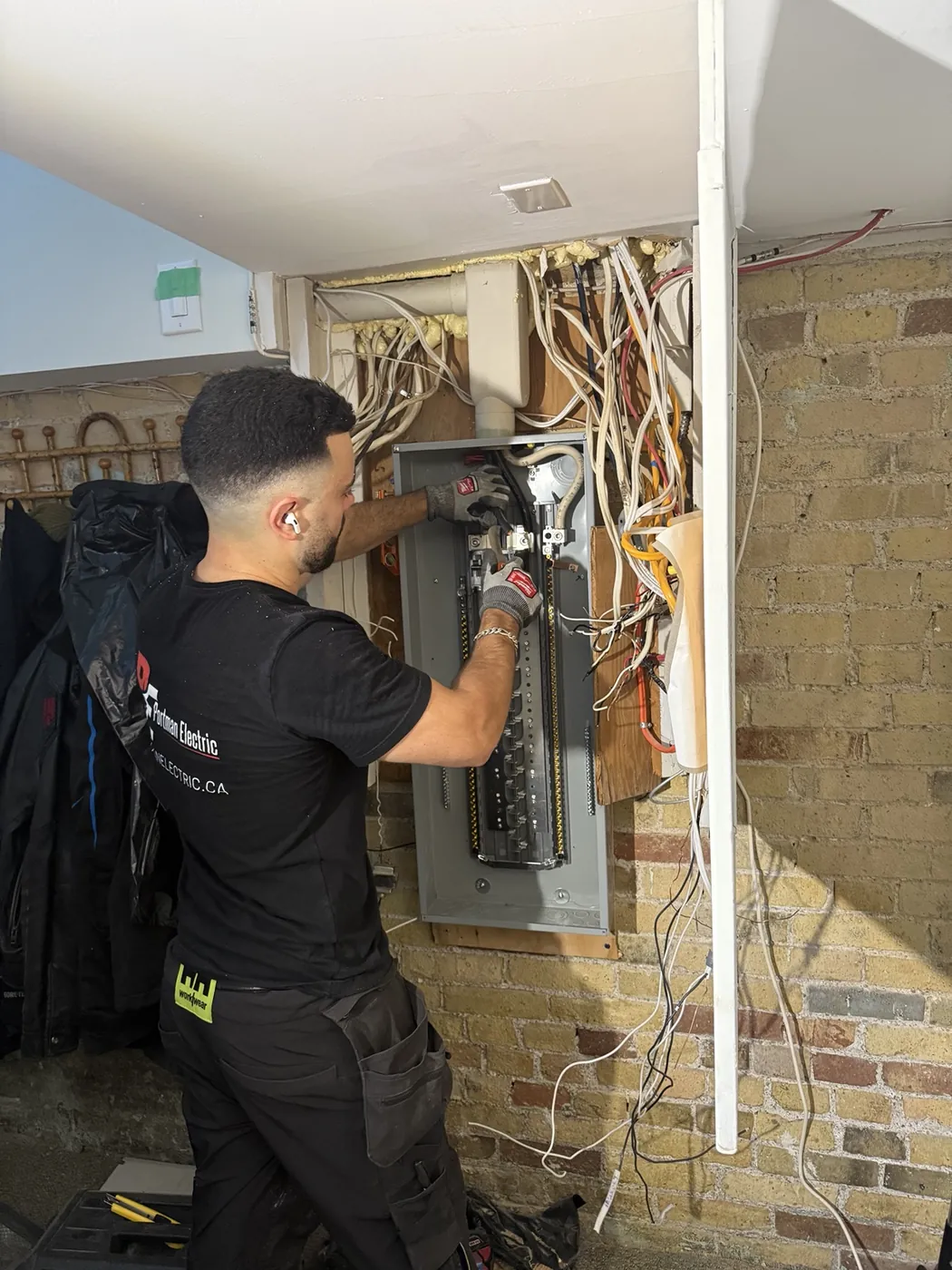
Real jobs in older Toronto properties, photographed from the original condition through to the finished work. None of these were in Cabbagetown; each is labelled with its actual location.
WHAT OUR CUSTOMERS SAY
"Joshua was experienced, professional, knowledgeable, and friendly. He showed up on time, updated us as he worked, and explained everything! He worked efficiently and cleaned up beautifully. Will definitely use his services again!"
"Very professional and knowledgeable team of folks. Upgraded my electrical panel to 200 amp and added a Tesla charger in less than a day. Highly recommend!"
"Showed up on time, wired up my 3-phase motor had it running faster than I thought. Will be using Portman Electric again."
Getting an Electrical Quote for a Cabbagetown Home
Portman Electric can give you a free estimate from photos and a description. The more of this you can send, the more accurate the estimate will be.
Older wiring
- Photos of visible wiring in accessible basement or attic areas
- Insurer correspondence if there is any
- Renovation plans
- Which areas you know were already rewired
Panel or service
- A photo of the outside of the panel
- Any labels or service rating visible without opening anything
- A photo of the meter and service equipment
- A description of new electrical loads you are planning
Renovation
- Plans or drawings
- Photos of the rooms involved
- Appliance specifications
- Scope of the renovation
- Heated floor, EV or HVAC plans
Troubleshooting
- What stopped working
- When it started
- Whether a breaker or GFCI has tripped
- Whether there is any heat, smell or visible damage
Never remove a panel cover or open electrical equipment to take a photograph. Photos of the outside of the panel are all we need.
Quick Answer
Can electrical wiring be modernized during a Victorian-home renovation?
Yes. A major renovation is often an efficient time to replace older wiring and plan new circuits because walls and ceilings may already be accessible.
Cabbagetown Electrical FAQ
Does Portman Electric serve Cabbagetown?
Yes. Portman Electric provides licensed residential and commercial electrical services in Cabbagetown and throughout Toronto. Work in the area includes older-home and knob-and-tube rewiring, panel and service upgrades, renovation electrical, troubleshooting, electrical assessments, EV charging and emergency repairs. Portman Electric is an ECRA/ESA Licensed Electrical Contractor, Licence #7018049.
How do I find a licensed electrician in Cabbagetown?
In Ontario, electrical contracting is done by an ECRA/ESA Licensed Electrical Contractor, and every licensed contractor has a licence number you can check against the Electrical Safety Authority's public contractor listing. Ask for the number before work starts and confirm it yourself. Portman Electric's licence number is #7018049. It is also reasonable to ask whether the work will be filed with the ESA and who will arrange the inspection.
Do Cabbagetown homes still have knob-and-tube wiring?
Some may. Cabbagetown contains a strong concentration of Victorian and late-19th-century housing, and knob-and-tube was standard in that era, but age alone does not confirm that knob-and-tube is still active in a particular house. Many homes have been fully or partially rewired over the decades, and abandoned knob-and-tube can remain visible long after the circuits it served were replaced. Tracing and testing establish what is actually live.
Does a Victorian home automatically need rewiring?
No. The age of a house does not determine whether a complete rewire is required. What matters is the wiring type in use, its condition, how much of the original system is still active, the grounding arrangement, previous upgrades and what the renovation plans require. Some older homes have already been substantially rewired. Others need work in specific areas rather than throughout. The existing installation should be assessed before a scope is defined.
How can I tell whether visible knob-and-tube wiring is still active?
You cannot tell by looking at it. Knob-and-tube that has been disconnected can look identical to knob-and-tube still supplying a circuit, and both can sit side by side in the same basement. Determining which is which requires tracing the circuits and testing them. That work is also what makes an accurate rewiring quote possible, because the scope depends on how much of the old wiring is still carrying load.
Can Portman completely rewire an older Toronto house?
Yes. Portman Electric's documented Kensington Market project was a complete rewire of an older Toronto home that moved from knob-and-tube to a fully modern electrical system, including 200 amp service modernisation, new branch circuits throughout, kitchen and bathroom electrical, heated floors, pot lights, smoke alarms and EV charging capability, planned as part of a gut renovation. That project was in Kensington Market, and the housing and the electrical conditions are comparable.
Can an old home be rewired without destroying all the plaster?
The amount of access required depends on the house. Where there is an accessible basement, attic space, existing chases or a renovation already opening walls, an electrician can often plan routes that reduce unnecessary openings. In an attached house with finished plaster on every level, more access is usually needed. Portman Electric plans circuits to avoid unnecessary openings, but we won't promise zero access holes where the electrical work genuinely requires them.
Does a 60A or 100A service automatically need to be upgraded?
No. Service size should be based on the property's calculated electrical demand and the equipment actually planned, not on the age of the house. A 60 amp service is often a practical constraint once modern loads are added, and its condition and equipment matter, but neither 60 amp nor 100 amp automatically requires replacement. A load calculation is what answers the question for a specific property.
Can Portman upgrade a Cabbagetown house to 200 amps?
Yes, where a 200 amp service is appropriate for the property. The work is assessed first, and depending on the property it can involve the panel, service conductors, meter and service entrance equipment, grounding and bonding, coordination with Toronto Hydro and ESA inspection. Portman Electric has a documented project taking an older Toronto property from a 60 amp fuse service to a 200 amp service.
What's the difference between changing my panel and upgrading my electrical service?
A panel replacement changes the distribution equipment inside the house — the panel itself and how circuits are protected and arranged. It does not by itself increase the capacity of the service supplying the property. A service upgrade is broader and can involve the service conductors, meter equipment, grounding and bonding, service entrance equipment, Toronto Hydro coordination and ESA inspection. The two are related but they are not the same scope of work.
Does heritage designation prevent electrical rewiring?
No. Heritage status does not mean a property's electrical system cannot be modernised, and interior electrical work in older homes can still be carried out. Where proposed work would affect protected exterior heritage attributes of a designated property, or a property within a Heritage Conservation District, there may be additional property-specific considerations. Those should be confirmed with the City. Portman Electric handles the electrical scope; heritage planning questions belong with the City or the heritage professionals on your project.
Should I get an electrical assessment before buying an older Cabbagetown home?
It can be worth it, particularly if you are planning a renovation. An electrical contractor can look at the service rating, the panel or fuse equipment, visible wiring types, grounding, panel capacity, evidence of past modifications and what the property could support for the loads you have in mind. An electrical contractor assessment is not a replacement for a complete home inspection, and it does not cover the rest of the building.
Can an insurance company require knob-and-tube replacement?
Requirements vary by insurer. Different insurers take different positions on active knob-and-tube, fuse equipment, 60 amp services, aluminum wiring and older panel equipment, and those positions can change. Portman Electric can assess the installation, investigate circuits, document visible conditions and carry out corrective work or rewiring. What your policy requires is a question for your insurer, and you should confirm it with them directly.
Can Portman handle the electrical portion of a complete renovation?
Yes. Portman Electric's documented Kensington Market project involved the electrical work for a gut renovation of an older Toronto house, with wiring routes, box locations and circuit planning coordinated against the rebuilt framing, and lighting, heated floors, kitchen electrical and service modernisation planned together rather than added at the end.
Can a 100A house support an EV charger?
Possibly. A 100 amp service does not automatically rule out an EV charger. The property's calculated electrical demand and the charging rate you want should be evaluated first. Depending on the result, the existing service may be sufficient, a lower charging rate may be appropriate, approved load-management equipment may be an option, or a service upgrade may be the right answer. The load calculation comes before the equipment decision.
Do you work on duplexes and triplexes in Cabbagetown?
Yes. Portman Electric works on duplexes, triplexes, converted houses and small multi-unit residential properties, including unit circuits, common-area electrical, distribution planning, troubleshooting and service capacity assessment. The number of units does not by itself determine what the property needs; the existing distribution, metering arrangement and calculated demand do.
Can Portman troubleshoot wiring from several generations of renovations?
Yes, and in older Toronto housing that is most of the troubleshooting work. A house can contain original wiring, mid-century additions, work from a 1990s renovation and recent circuits all connected together. Finding a fault in that situation means tracing circuits and testing rather than assuming the installation matches any single standard.
Can you perform emergency electrical repairs in Cabbagetown?
Yes. Portman Electric responds to urgent electrical problems including burning smells from electrical equipment, arcing or sparking, overheating panel equipment, sudden loss of power affecting only your property, main breaker problems, service damage and water near electrical equipment. Same-day and after-hours service may be available depending on location, access, the nature of the problem and current scheduling. Call 647-835-7757.
Do you work on commercial or mixed-use properties in Cabbagetown?
Yes. Portman Electric carries out commercial electrical work including retail and office electrical, tenant improvements, lighting, dedicated equipment circuits, commercial panels and distribution, troubleshooting, emergency repairs and property-management electrical. Older mixed-use buildings with commercial space at street level and residential space above are a common Toronto arrangement and are within the scope of that work.
How much does an electrician cost in Cabbagetown?
There is no neighbourhood surcharge. Cost depends on the scope of work, how accessible the wiring and equipment are, the condition of the existing wiring, whether finished surfaces have to be opened, circuit length, the panel and service equipment involved, materials, how much troubleshooting is required, ESA requirements, whether Toronto Hydro is involved and what stage a renovation is at. Send photos and a description and Portman Electric can give you a free estimate.
Electrical services in Cabbagetown
- Residential electrical
- Knob & tube rewiring
- Panel & service upgrades
- Electrical renovation
- Residential rough-in
- Electrical troubleshooting
- Electrical safety inspections
- Emergency electrician
- EV charger installation
- Heated floor installation
- Pot light installation
- Commercial electrical
- Property management electrician
- All projects
Guides for older-home owners
- Electrical problems in older Toronto homes
- Century home electrical inspection checklist
- Is knob and tube wiring dangerous?
- Knob-and-tube wiring and home insurance
- Electrical inspection for insurance
- Fuse box vs breaker panel
- Panel upgrade cost in Toronto
- 100 amp vs 200 amp service
- How to read your electrical panel
- Three-prong outlets that aren't grounded
- ESA inspections in Ontario
- Electrical inspection cost in Toronto
Nearby areas we also serve
- Riverdale & Leslieville
- The Annex
- Rosedale & Moore Park
- East York
- The Beaches
- Downtown Toronto
- Corktown
- Regent Park
Planning Electrical Work in Cabbagetown?
Whether you're rewiring an older home, planning a renovation, investigating legacy wiring or upgrading an electrical panel or service, Portman Electric can assess the existing system and plan the work around both the house you have and the electrical loads you're adding.
ECRA/ESA Licensed Electrical Contractor #7018049